

Deriva Energy has borrowed $280 million to build the largest battery in Oklahoma. When it is finished, Oklahoma Gas and Electric will own it. The loan is sized for a handover rather than for a holding period, which is why the per-MW figure looks nothing like the rest of the US storage market.
Key takeaways
- Deriva Energy has secured a $280 million debt facility from Canadian Imperial Bank of Commerce and KeyBanc Capital Markets for the construction of the Frontier battery project in Kay County, Oklahoma.
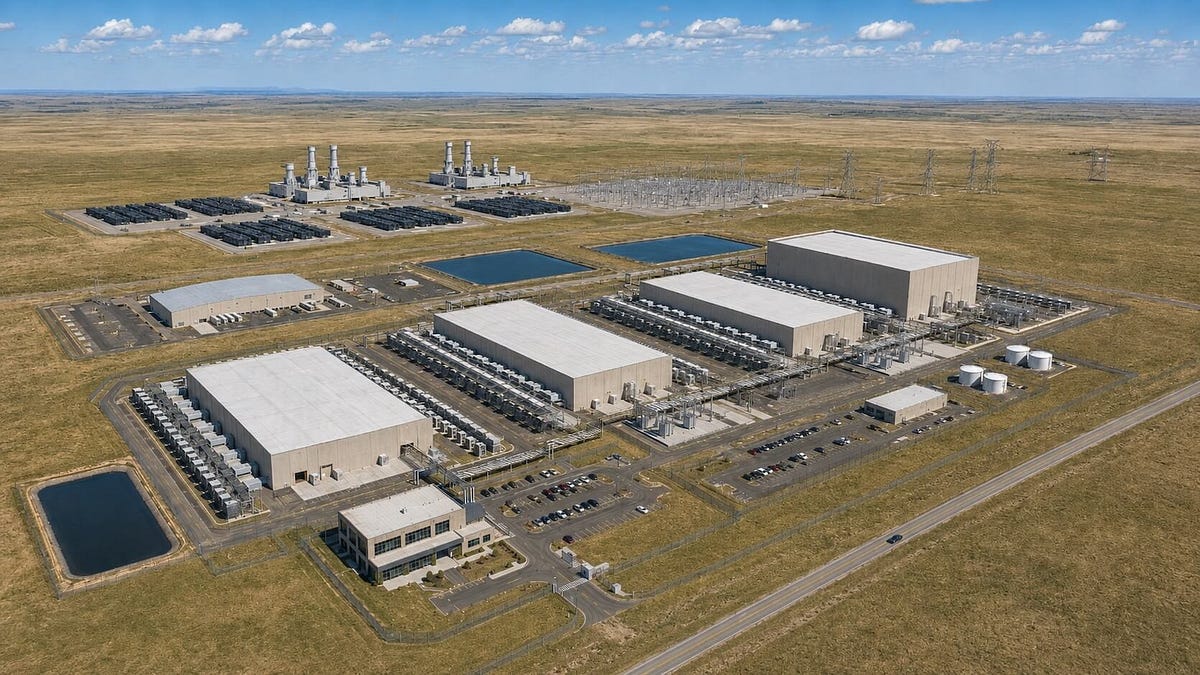
- Frontier is a 302 MW / 1,208 MWh standalone battery, giving it exactly four hours of duration, and is expected to become the largest battery storage facility in Oklahoma and in the SPP region.
- Oklahoma Gas and Electric will acquire the project from Deriva Energy after development and construction under a Build Transfer Agreement, so Deriva is financing an asset it will not own at commercial operations.
- The facility equates to about $0.93 million per MW, against $2.28 million per MW for DESRI's $290 million debt package on the 127 MW Roccasecca battery in February 2026 and $3.48 million per MW for NineDot Energy's $431 million package on a 124 MW portfolio in the same month.
- Enerdatics records 136 US battery storage financings since the start of 2024. Frontier was selected through a competitive procurement process and is expected to reach commercial operations in late 2027.
What is a Build Transfer Agreement and why use one?
A Build Transfer Agreement is a contract under which a developer builds a project and then sells the finished asset to a pre-agreed buyer, usually a regulated utility, at a price set before construction starts. The utility ends up owning the plant without having taken development risk. The developer books a return on development and construction rather than on decades of operation.
For a regulated utility the appeal is specific. A utility earns a regulated return on assets in its rate base, so owning the battery is worth more to Oklahoma Gas and Electric than contracting for its services would be. But utilities are poorly suited to early-stage development risk, which runs through siting, permitting and interconnection. A build transfer lets a developer carry that risk and hands the utility an asset at the point where the risk has been retired. Deriva is developing Frontier in partnership with OG&E, and the project was selected competitively to improve grid reliability and meet growing demand, so the utility's requirement came first.
Why is $0.93 million per MW so far below the market?
Because the loan only has to survive until handover. A conventional project financing is sized against the cash flows the asset will generate over many years, and it sits in a capital structure that has to work for a long-term owner. A construction facility on a build transfer is repaid from the sale proceeds when the utility takes title. The lender's exposure ends at completion, the debt never has to be refinanced against operating revenue, and the amount required is construction cost less whatever equity the developer puts in, not a multiple of future earnings.
The comparison makes the point. Enerdatics records DESRI raising $290 million for the 127 MW Roccasecca battery in February 2026, about $2.28 million per MW, and NineDot Energy raising $431 million for a 124 MW portfolio in the same month, about $3.48 million per MW. Both of those are smaller in megawatts than Frontier and larger in dollars. Duration and market differ, and a New York City battery carries costs a rural Oklahoma site does not. But a gap of three to four times is too wide to be explained by siting alone. The structure explains it. Elsewhere in the market, contracted storage held for the long term borrows differently again: the 150 MW / 600 MWh Prospect Power battery in Virginia raised $242 million of project debt alongside tax equity in September 2025, about $1.61 million per MW for an asset with a 15-year PPA and an owner intending to keep it.
Does four hours of duration change the economics?
It changes what the battery is for. Duration is energy capacity divided by power capacity, and Frontier's 1,208 MWh across 302 MW is exactly four hours. Most US batteries financed over the past two years have been two-hour systems. A two-hour battery captures the daily price spike and sells frequency and capacity services. A four-hour battery can shift bulk energy across the whole evening peak, and in capacity accounting it is usually credited at or near its full power rating rather than derated.
In SPP that matters because the region's problem is not a short evening ramp. SPP carries a large wind fleet whose output swings across hours rather than minutes, and the grid reliability justification in the procurement points at sustained support rather than fast response. A four-hour asset selected competitively by a utility that intends to own it is being bought as a capacity resource. Per unit of energy the facility works out at about $232 per kWh, a construction debt figure rather than a capital cost, but the number that scales with what the battery delivers.
Enerdatics records 136 US battery storage financings since the start of 2024, and the structures inside that count are increasingly varied. Capital is arriving at every layer, sometimes nowhere near a battery cell: SMT Energy's $268 million equity raise from Climate Adaptive Infrastructure in September 2026 was the largest equity cheque Enerdatics records into a US battery developer since the start of 2024, and none of it was earmarked for building one.
What does the deal signal for US storage?
The deal signals that build transfer is becoming a standard route for utility-owned storage in the middle of the country. A regulated utility that wants the asset on its balance sheet, and a developer that wants to recycle capital quickly, both get what they want, and the bank lending into it is taking construction risk against a committed purchaser rather than market risk against a merchant revenue stack. The financing cost per MW should be expected to look low in these transactions, and anyone benchmarking storage debt without checking who owns the asset at completion will draw the wrong conclusion.
The second signal is about Oklahoma. Frontier will be the largest battery in the state and in SPP, procured competitively by the incumbent utility rather than developed on merchant hopes. Oklahoma has mostly appeared in Enerdatics' records through generation and tax credit activity, including Recurrent Energy's $103 million sale of North Fork solar production tax credits in June 2024. A 302 MW four-hour battery entering the rate base is a different kind of entry, and it sets a reference point for the next utility procurement in the region.
Frequently asked questions
How much has Deriva Energy raised for the Frontier battery?$280 million as a debt facility from Canadian Imperial Bank of Commerce and KeyBanc Capital Markets. CIBC acted as administrative agent and co-led the financing with KeyBanc as joint bookrunners. That equates to about $0.93 million per MW.
Who will own the Frontier battery project?Oklahoma Gas and Electric will acquire it from Deriva Energy following development and construction under a Build Transfer Agreement. Deriva is developing the project in partnership with OG&E and will not own it at commercial operations.
How large is the Frontier battery?302 MW of power and 1,208 MWh of energy, or exactly four hours of duration, located in Kay County, Oklahoma. It is expected to be the largest battery storage facility in Oklahoma and in the SPP region, reaching commercial operations in late 2027.
Ready to get deal-ready answers in seconds? Try Enerdatics Leap AI and access verified intelligence across M&A, financings, PPAs, projects and energy market developments through natural language.
.jpeg)