
Why Zenith's Lombardy Solar Deal Matches the Italian Median It Largely Sets

Zenith Energy has bought the land for a 9 MW solar project near Stradella, in the Lombardy province of Pavia, for about €807,500. That works out at roughly $0.10 million per MW, almost exactly the median price for early-stage Italian solar. The coincidence looks like confirmation. It is closer to a mirror.
Key takeaways
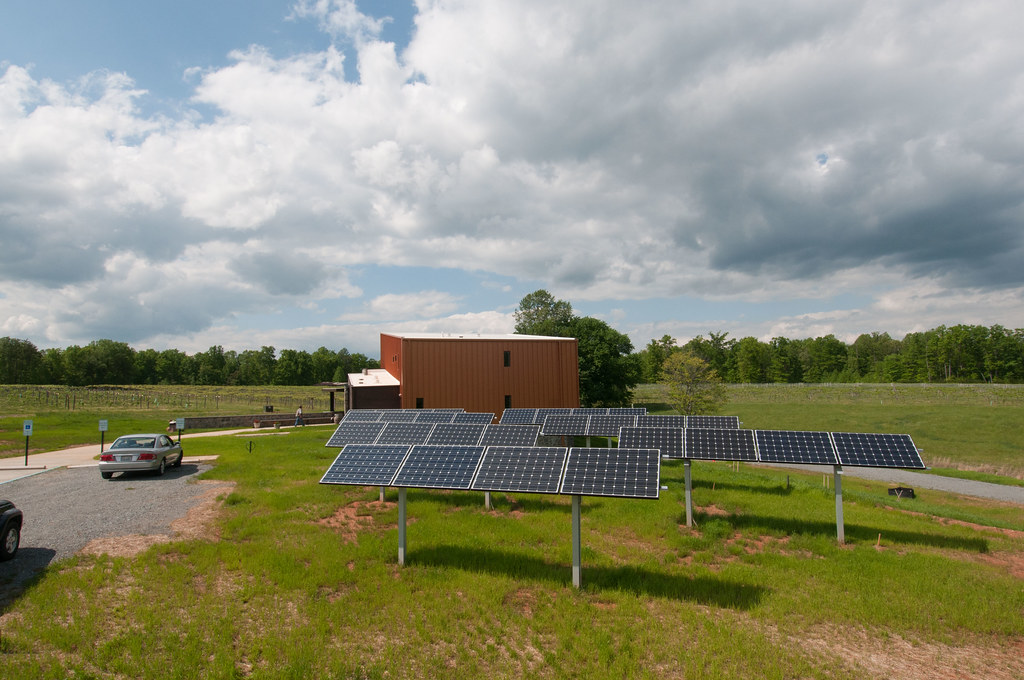
- Zenith Energy has acquired the land for the Stradella 1 ground-mounted solar project, about 9 MW on roughly 9.5 hectares in the Province of Pavia, Lombardy, for about €807,500, or $0.93 million.
- The price for Stradella 1 is set by area, at €8.50 per square metre or €85,000 per hectare, with a deposit due only after Zenith formally accepts the grid connection terms offered by the network operator.
- Stradella 1 is Zenith's first solar development project in Lombardy and lifts its Italian solar development pipeline to about 212 MWp, against a target of 240 MWp by the end of 2026.
- Across 20 priced Zenith Energy solar acquisitions in Italy recorded by Enerdatics since 2025, the company has paid $23.39 million for 222.4 MW, a blended $0.105 million per MW, with a median of $0.111 million.
- Enerdatics records 69 Italian solar deals for development-stage assets since the start of 2024, and only 28 carry a usable price per MW; 21 of those 28 are Zenith Energy transactions, including 17 of the 18 priced early-stage deals.
What is Zenith actually paying for at Stradella?
Zenith is paying for land, not for a permit. The consideration is quoted per square metre, which is how farmland and industrial plots are priced. It is not a valuation of a solar project.
The per MW figure is a by-product. It carries no view on permitting risk, power prices or build cost.
The site explains the price. It is flat, about 350 metres from an operational industrial area and about 300 metres from the motorway. It also sits about 2 kilometres from the Broni-Stradella electricity infrastructure, which includes substations run by Terna, the national grid operator, and e-distribuzione, the main distribution network operator.
At €85,000 per hectare, Stradella costs more per hectare than the 4.5 MW site near Rome that Zenith bought in July at €70,000 per hectare. Land close to a substation is worth more, because a short connection is cheaper to build and easier to secure.
Why does the deposit depend on the grid offer?
Because grid access is the risk Zenith wants cleared before it pays anything. In Italy, a developer asks the network operator for a connection and receives an STMG, the Soluzione Tecnica Minima Generale. The STMG is the operator's formal proposal setting out how and where a project can connect.
Zenith's deposit falls due only after it formally accepts those terms. If the connection offer is poor or too expensive, Zenith can walk away without having paid. The seller keeps the land and the risk.
This is a variation on the model Zenith has used across Italy. The Rome site and the 10 MW project in Foggia bought in August were both payable only once all permits were secured and the project reached ready-to-build status. Ready-to-build means every permit and the grid connection are in place and only procurement and construction remain. The Enerdatics record for Stradella says the deposit follows STMG acceptance. It does not say how large the deposit is or when the balance falls due, so the full payment schedule is not yet clear.
The project is also expected to qualify for the PAS, the Procedura Abilitativa Semplificata, a simplified municipal authorisation route for smaller renewable projects. If the grid terms land well and the PAS applies, the path to ready-to-build could be short.
Why does Stradella sit so neatly on the Italian median?
Because Zenith's own deals make up much of the median. When one buyer produces most of the priced transactions, the benchmark partly describes that buyer's habit.
The median developer premium is the typical price per MW paid for a project before it is built, before any construction value is added. For Italian early-stage solar, that figure sits at $0.11 million per MW. Stradella lands at about $0.10 million. It ranks ninth of Zenith's 20 priced Italian deals, squarely in the middle of its own range.
Most other Italian development deals do not disclose a price, while Zenith, a listed company, announces most acquisitions with their land price. A reader who takes $0.11 million per MW as the going rate for Italian development solar is mostly reading Zenith's cost of land.
The more useful comparison is further along the curve. Ready-to-build Italian solar carries a median developer premium of $0.15 million per MW, and a median value of $0.20 million per MW. Zenith's own exit price sits higher still: the memorandum of understanding it signed in July to sell its roughly 50 MWp South Piedmont portfolio values it at $13.69 million, about $0.27 million per MW, subject to due diligence and final documents. The spread between land cost and permitted value is where the model earns its return, as covered when Zenith's week of buying and selling priced the Italian solar development curve.
Enerdatics' data shows how concentrated the visible price is. Of 69 Italian solar deals for development-stage assets since the start of 2024, only 28 carry a usable price per MW, and 21 of those are Zenith acquisitions, one of them later cancelled. At the early stage the concentration is starker: 17 of the 18 priced deals are Zenith's. Across its 20 priced deals, Zenith has paid a blended $0.105 million per MW, with individual transactions ranging from $0.051 million to $0.184 million. Those 18 deals have an interquartile range of $0.09 million to $0.14 million per MW.
What does the deal signal for Italian solar?
It signals that grid position is becoming the priced variable in early-stage Italian solar. Zenith is paying more per hectare for land near substations and tying its first payment to a formal grid offer, not the full permit stack.
Land with a credible grid route is worth more than land without one, and buyers want proof of the route before they commit cash. Expect more early-stage deals to tie payments to STMG acceptance, not only to ready-to-build.
It also signals caution about benchmarks. The early-stage Italian median is thin and dominated by one buyer, so ready-to-build prints and disclosed exits deserve more weight. Zenith's Foggia acquisition, structured as an option rather than a purchase, showed how low the visible entry price can go when payment is deferred.
The test for Zenith is conversion. How much of its roughly 212 MWp pipeline reaches ready-to-build, and at what price, will decide whether land-first origination works at scale.
Frequently asked questions
How much did Zenith Energy pay for the Stradella 1 solar project?Zenith agreed a land price of €8.50 per square metre, or €85,000 per hectare, for a total of about €807,500, roughly $0.93 million. The project is about 9 MW on around 9.5 hectares in the Province of Pavia, Lombardy.
What is an STMG in Italian solar development?The STMG, or Soluzione Tecnica Minima Generale, is the grid operator's formal connection proposal for a project. It sets out how and where the plant can connect. Zenith's deposit on Stradella 1 falls due only after it formally accepts those terms.
Is $0.10 million per MW a fair benchmark for Italian development solar?It matches the Italian early-stage median of $0.11 million per MW, but that median is thin. Enerdatics finds only 28 priced development-stage deals since 2024, 21 of them by Zenith. Ready-to-build projects carry a higher median developer premium of $0.15 million per MW.
Ready to get deal-ready answers in seconds? Try Enerdatics Leap AI and access verified intelligence across M&A, financings, PPAs, projects, and energy market developments through natural language.
.jpeg)


