
Why Encavis Borrowed More to Refinance Giotto but Less Per Megawatt
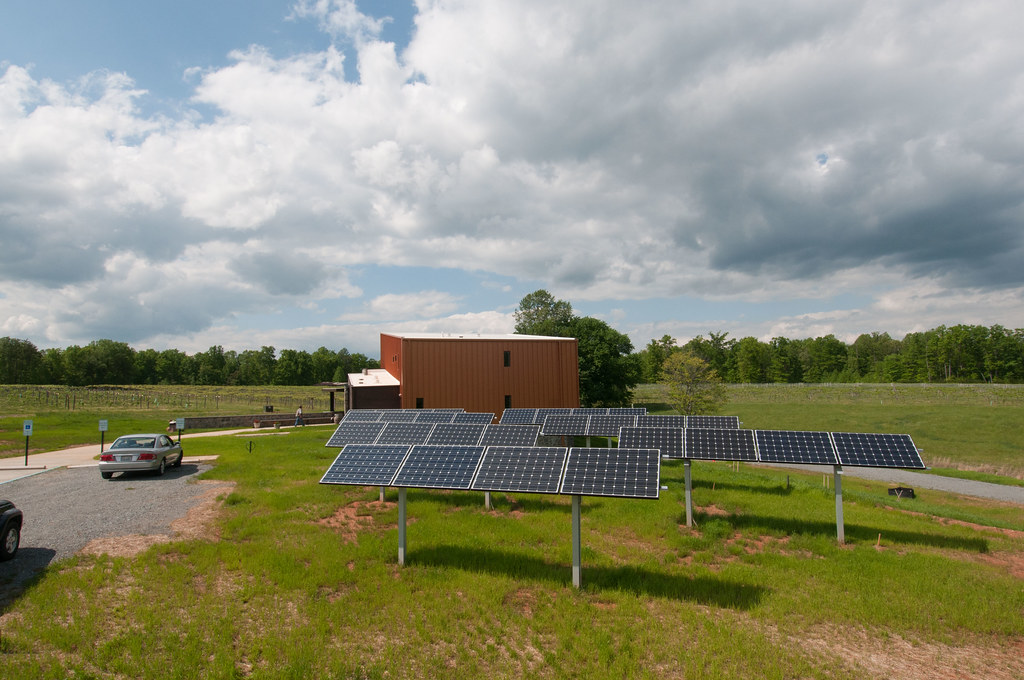
Encavis has signed a $325 million debt package for its Italian solar portfolio. It replaces a $235 million bridge loan taken out nine months ago to buy the same core assets from EDP Renewables. On the headline numbers, Encavis has borrowed more. Per megawatt, it has borrowed less, for far longer.
Key takeaways
- Encavis has secured about $325 million from Bank of America, BayernLB, BNP Paribas, Rabobank, Deutsche Bank and UniCredit to refinance and extend a solar portfolio in Italy.
- The Encavis package comprises a $281.13 million non-recourse term facility in two tranches, both maturing at the end of 2049, plus an $11.52 million debt service reserve facility and a $32.26 million letter of credit facility.
- The new debt replaces a $234.87 million non-recourse bridge loan from UniCredit that funded Encavis' purchase of the 265 MW Giotto solar portfolio from EDP Renewables for an enterprise value of $349.09 million.
- The Encavis refinancing covers nine Italian solar projects totalling 351 MW: the five-plant, 265 MW Giotto portfolio and four new projects adding 86 MW, including the 38 MW Montefiascone plant in Lazio.
- Enerdatics records 55 solar financings in Italy since the start of 2024, of which only 9 are tied to operational assets, making long-dated refinancing of operating Italian solar a relatively rare print.
Why is the new loan bigger than the bridge it replaces?
Because it finances more capacity. The bridge covered only Giotto. The new term facility covers Giotto plus four further projects, so the base it lends against grew from 265 MW to 351 MW.
A bridge loan is short-term debt used to close a purchase quickly, with the plan of replacing it with cheaper long-term debt once the buyer owns the assets. The UniCredit bridge was set up exactly that way. It was meant to be refinanced in the first half of 2026. The replacement arrived in September.
Spread across the wider base, the term loan works out at about $0.80 million per MW. The bridge ran at about $0.89 million per MW of Giotto. The headline rose by about $90 million, yet the debt carried per megawatt went down.
There is a caveat worth stating plainly. The Enerdatics record does not split the term loan between Giotto and the four new projects. Some of those projects are not yet built, and Montefiascone is expected to start commercial operation in February 2028. The per MW comparison is therefore a portfolio average, not a clean measure of leverage on each plant.
Why does the debt run to 2049 when the contracts do not?
Because lenders are underwriting the life of the plants, not just the life of the contracts. Both term tranches mature at the end of 2049, roughly 23 years from now.
Giotto's revenue is contracted for far less than that. Four of the five parks sell power under power purchase agreements of 10 or 15 years. A power purchase agreement, or PPA, is a long-term contract to sell electricity at an agreed price. The fifth park holds a 20-year contract for difference, a state-backed arrangement that tops up or claws back revenue against a fixed strike price.
That leaves a merchant tail. A merchant tail is the period after contracts expire, when a plant sells at whatever the market pays. For most of Giotto, that tail spans a decade or more of the loan's life.
The plants are young, which makes the long tenor possible. When EDP Renewables agreed the sale in August 2025, the operating parks had been running for less than a year on a weighted average basis. That means a loan to 2049 still ends within the typical operating life of a utility-scale solar plant.
The structure also shows the lenders' guard rails. A debt service reserve facility is a standby line that can cover loan payments if cash flow dips. The letter of credit facility provides guarantees that projects must post to counterparties. Neither is part of the core term loan, but together they add about $44 million to the headline.
What did Encavis pay for Giotto, and how much was borrowed?
Encavis paid an enterprise value of €300 million, or $349.09 million, for Giotto when the purchase completed in December 2025. That works out at about $1.32 million per MW for a portfolio of 248 MWdc in operation plus a 17 MWdc extension in Lazio.
The bridge covered about 67 percent of that price. The refinancing locks in long-term funding without any evident step up in debt per megawatt.
EDP Renewables has been recycling other operating assets in Italy too, as seen when PLT Energia agreed to buy 69.9 MW of operating wind and solar from EDPR Italia. By capacity, Giotto was the larger of the two exits.
Enerdatics' data shows how unusual this kind of financing is in Italy. Of 55 Italian solar financing records since the start of 2024, 53 disclose an amount, but only 9 relate to operational assets. Most Italian solar debt funds construction or development. Among operating portfolios, Encavis sits alongside larger refinancings such as Tages Capital's $781 million package in December 2025 and Sonnedix's $842 million Southern Europe refinancing in August 2026. At $325 million, the Encavis deal is mid-sized for an operating refinancing.
What does the deal signal for Italian solar?
It signals that banks will lend long against operating Italian solar even where contracts run out well before the loan does. Six international lenders have accepted roughly a decade of merchant exposure on most of the Giotto parks.
That matters for buyers. Acquirers of operating Italian portfolios can use short bridges to win auctions, then refinance into long, non-recourse debt within a year. The refinancing risk on that approach looks manageable, at least for young assets with long-term offtake in place. EDP Renewables has signed a long-term PPA with Procter & Gamble for a 142 MWdc solar portfolio, according to the financing record, and Aliaxis signed a 10-year PPA in February 2024 for Montefiascone.
It also shows how IPPs are using refinancings to fund growth. Folding four new projects into the Giotto facility appears to let Encavis borrow against operating cash flow to support construction. Bank-led portfolio financing is the same route Sosteneo used to fund its San Nicola and Ramacca solar projects. Expect more Italian portfolio refinancings that mix operating and unbuilt capacity in one facility.
Frequently asked questions
How much did Encavis raise to refinance its Italian solar portfolio?Encavis secured about $325 million from six banks. It comprises a $281.13 million non-recourse term facility in two tranches maturing at the end of 2049, an $11.52 million debt service reserve facility and a $32.26 million letter of credit facility.
What is the Giotto solar portfolio?Giotto is a five-plant solar portfolio in Italy, mostly in Lazio with further plants in Puglia, that Encavis bought from EDP Renewables for an enterprise value of $349.09 million. It totals 265 MW, including a 17 MWdc extension, and is expected to generate about 423 GWh a year.
What is a merchant tail in solar project finance?A merchant tail is the period after a plant's fixed-price contracts expire, when it sells power at market prices. In the Encavis refinancing, most Giotto PPAs last 10 or 15 years, while the debt runs to the end of 2049.
Ready to get deal-ready answers in seconds? Try Enerdatics Leap AI and access verified intelligence across M&A, financings, PPAs, projects, and energy market developments through natural language.

.jpeg)


