
Why RPSG Paid 2.3 Times the Serentica Print for a Similar-Sized Indian Solar Portfolio
.png)
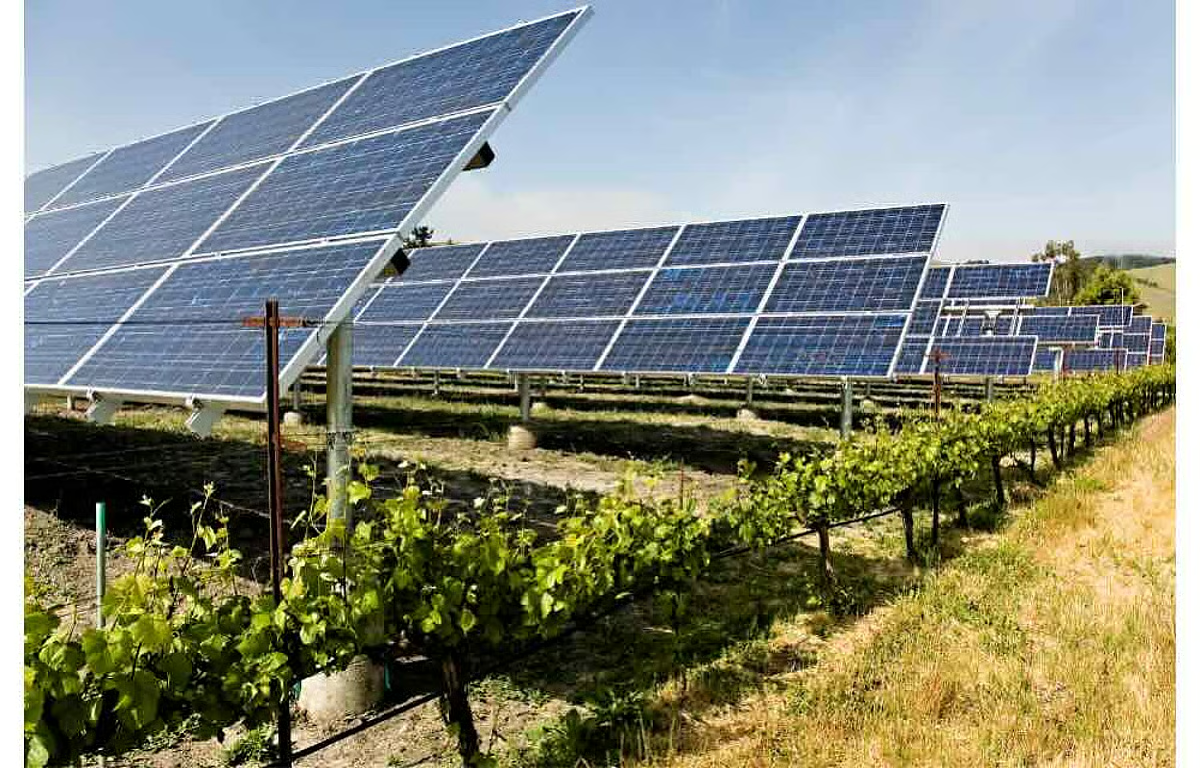
RPSG Group's renewables platform Purvah Green has agreed to acquire 1.4 GWp of operating solar assets from ReNew at an enterprise value of ₹4,859 crore, one of the largest operating solar transactions recorded in the Indian market. More than 90 percent of the capacity is contracted under long-term power purchase agreements with an established generation record. The transaction lifts Purvah's contracted capacity to 4.8 GWp alongside 2.2 GWh of battery capacity under implementation, against a stated ambition of 10 GW. RPSG has framed the deal as a transition from conventional power into a diversified energy platform. The price per megawatt is where the interest lies.
How much is Purvah Green paying per megawatt?
The enterprise value of ₹4,859 crore across 1.4 GWp works out at roughly ₹3.47 crore per MWp, or about $0.39 million per MWp at prevailing exchange rates. Enerdatics' benchmark for Indian operating solar transactions since the start of 2023 puts the median implied enterprise value at $0.48 million per MW, within an interquartile range of $0.36 million to $0.65 million, measured across 13 priced deals from a 31-transaction slice carrying $7.32 billion of value. This transaction therefore sits inside the interquartile range but roughly 18 percent below the median, which is a notable outcome for a portfolio described as more than 90 percent contracted with a proven generation history. Note that the capacity is stated in MWp, a direct current rating, so the figure on an alternating current basis would be meaningfully higher.
Why compare this to the Serentica transaction?
Because it is the closest available reference point on scale and it prices very differently. Serentica Renewables acquired a 1.44 GW solar and wind portfolio from Statkraft for ₹2,200 crore, almost identical nameplate capacity at roughly ₹1.53 crore per MW, or about $0.17 million per MW. RPSG is paying about 2.3 times that per megawatt for a similar-sized portfolio. The difference is contracting. The Statkraft assets carried substantial merchant exposure, which Serentica intended to redirect towards its commercial and industrial customers, whereas this portfolio arrives with more than 90 percent of capacity already under long-term PPAs. Two comparable Indian portfolios, two years apart, with the contracted share explaining most of a 2.3-fold gap in price per megawatt.
What does contracted capacity mean for an operating solar portfolio?
Contracted capacity refers to the share of a portfolio's output sold under a fixed-price agreement rather than into the wholesale market. In India, long-term PPAs are typically signed with state distribution companies or central agencies such as SECI and NTPC over 25 years, which fixes the tariff for the asset's operating life. That structure removes price risk but introduces counterparty risk, since Indian distribution companies have a long history of delayed payments. For a buyer, a portfolio at more than 90 percent contracted with an established generation track record is close to a bond-like cash flow, which is what justifies paying a premium to merchant-exposed alternatives. The residual questions are the identity of the offtakers and the remaining tenor on those contracts, neither of which the announcement discloses.
Enerdatics' data shows how active this segment has become. The 31 Indian operating solar transactions recorded since the start of 2023 carry $7.32 billion of disclosed value between them, and India has featured consistently in Enerdatics' quarterly analysis as a driver of emerging market deal flow alongside Brazil, with billion-dollar platform acquisitions involving Greenko and Ayana in the first half of 2025. ReNew is a recurring seller within that flow, having previously sold a Jaisalmer solar project to Sembcorp Green Infra for approximately $191 million, a project recording a plant load factor of 27.6 percent in FY24 in line with its P-90 projections. Capital rotation, rather than accumulation, has been the pattern for Indian developers of scale, and this is the largest example of it on Enerdatics' Indian record.
What does the deal signal for Indian renewables?
The deal signals that Indian operating solar is now deep enough to absorb gigawatt-scale transfers between domestic platforms, without foreign capital on either side. Purvah gains 1.4 GWp in a single step, roughly 29 percent of its enlarged 4.8 GWp contracted base, which would take years to build greenfield. ReNew converts mature assets into capital for redeployment. RPSG has been explicit that the strategy combines greenfield development with selective acquisitions of quality operating assets, which is the standard route to scale once a market has enough operating portfolios to buy. Expect more transfers of this size as Indian developers built during the 2018 to 2022 auction wave reach the point where their earliest assets are worth more to a yield-focused owner than to the developer that built them.
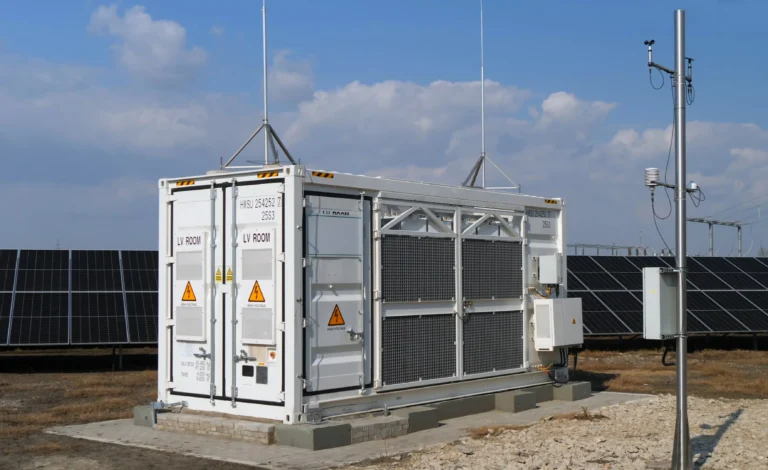
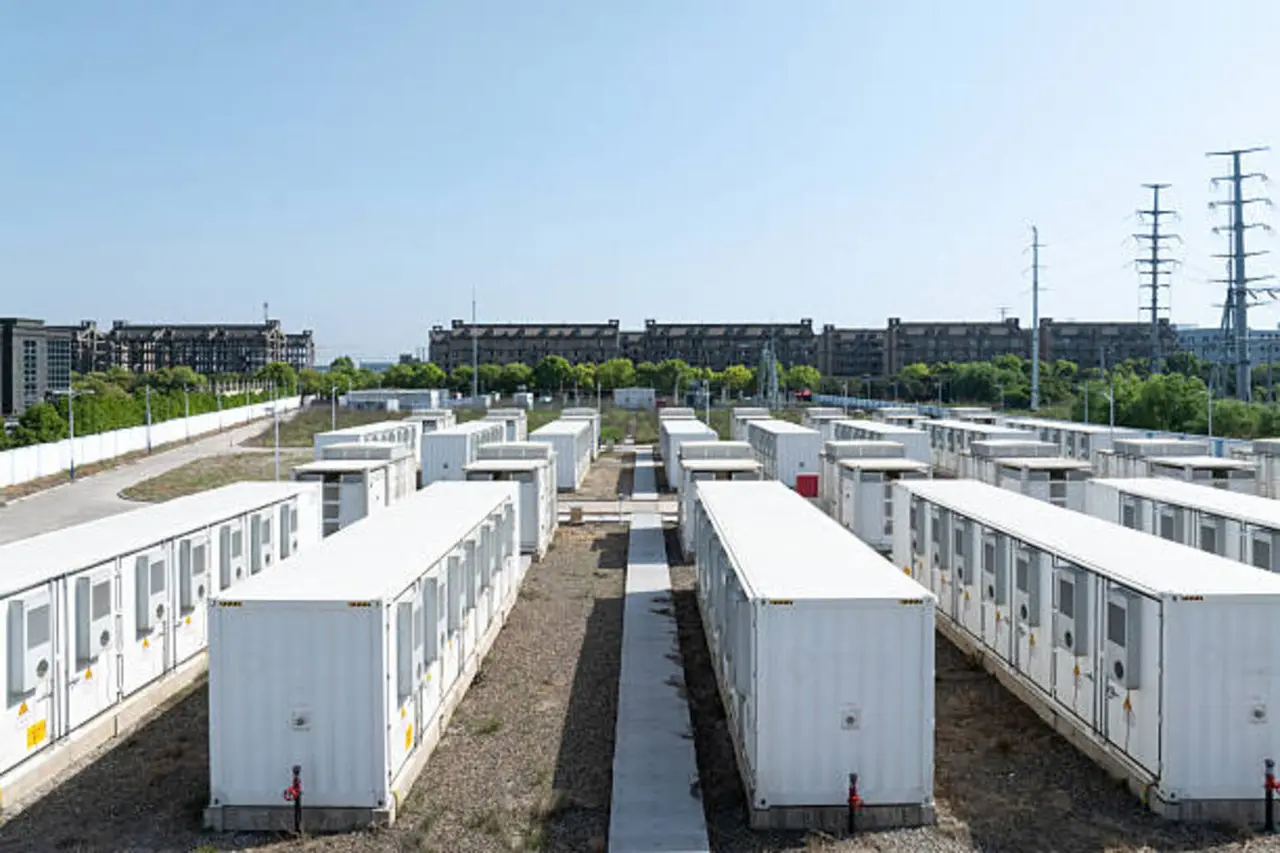
The battery component is the forward-looking part. Purvah's 2.2 GWh under implementation alongside 4.8 GWp of contracted solar points to the firm and dispatchable structures now being procured in India, where solar paired with storage is displacing plain solar in tenders. A portfolio of contracted operating solar is a stable base to build that around, and it is a considerably cheaper way to reach 10 GW than developing every megawatt.
Key takeaways
- RPSG Group's Purvah Green agreed to acquire 1.4 GWp of operating solar assets from ReNew at an enterprise value of ₹4,859 crore, one of the largest operating solar transactions in the Indian market.
- The price equates to roughly ₹3.47 crore per MWp, or about $0.39 million per MWp, against Enerdatics' median of $0.48 million per MW for Indian operating solar since 2023 and an interquartile range of $0.36 million to $0.65 million.
- Serentica Renewables paid ₹2,200 crore for a comparable 1.44 GW Statkraft portfolio, roughly ₹1.53 crore per MW, so RPSG is paying about 2.3 times as much per megawatt for a portfolio that is more than 90 percent contracted.
- The acquisition lifts Purvah's contracted capacity to 4.8 GWp, of which this portfolio is roughly 29 percent, alongside 2.2 GWh of battery capacity under implementation against a 10 GW ambition.
- Enerdatics records 31 Indian operating solar transactions since the start of 2023 carrying $7.32 billion of disclosed value.
Frequently asked questions
How much is RPSG paying for ReNew's solar portfolio?The enterprise value is ₹4,859 crore for 1.4 GWp, roughly ₹3.47 crore per MWp or about $0.39 million per MWp. Enerdatics records a median of $0.48 million per MW for Indian operating solar transactions since the start of 2023, within a $0.36 million to $0.65 million interquartile range, so this sits inside the range but below the median.
What does more than 90 percent contracted mean?It means over 90 percent of the portfolio's capacity sells its output under long-term power purchase agreements at fixed tariffs rather than into the wholesale market. In India these are typically 25-year contracts with state distribution companies or central agencies, which removes price risk but leaves counterparty payment risk with the owner.
How large is Purvah Green after this acquisition?Purvah Green's contracted capacity reaches 4.8 GWp following the transaction, alongside 2.2 GWh of battery capacity under implementation. RPSG has stated an ambition of 10 GW, to be reached through a combination of greenfield development and selective acquisitions of operating assets.
Ready to get deal-ready answers in seconds? Try Enerdatics Leap AI and access verified intelligence across M&A, financings, PPAs, projects, and energy market developments through natural language.
.jpeg)


