
Why Buying Spanish Solar Below the Market Now Comes With a Storage Commitment Attached
.png)
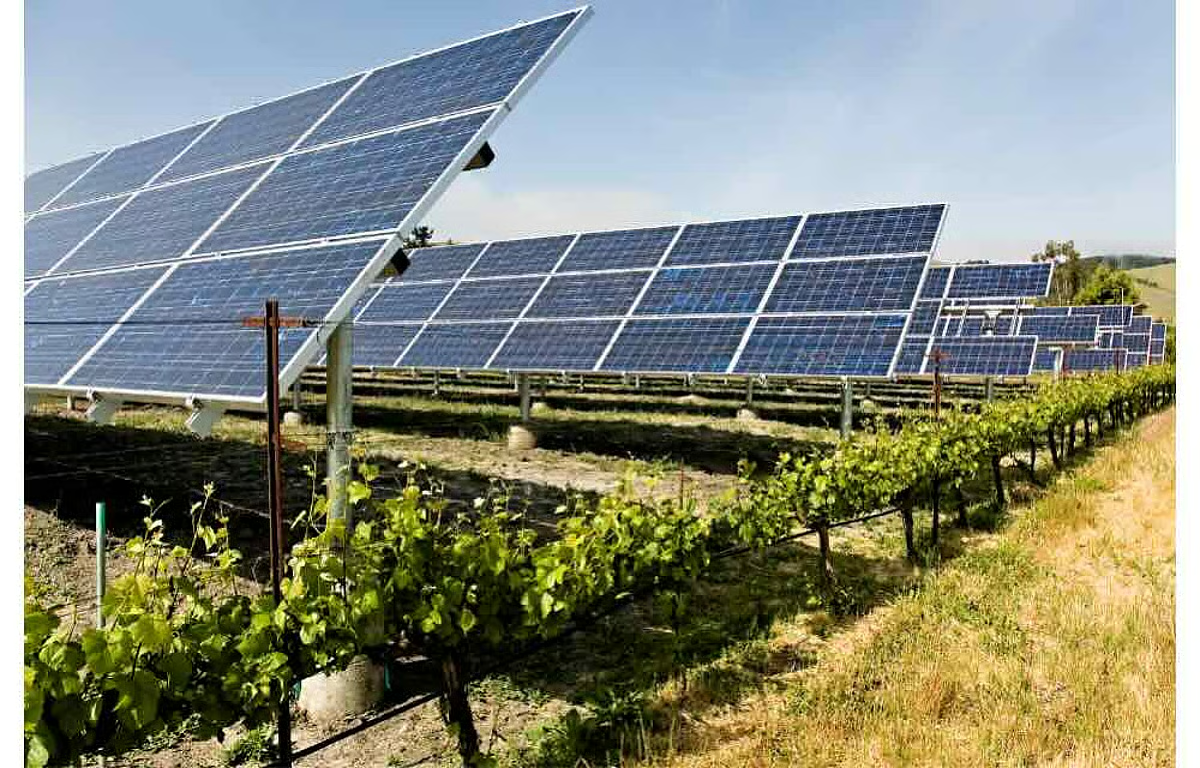
A 137 MW portfolio of three operational solar photovoltaic assets in Spain has changed hands at a transaction value of €99.1 million, with Energile acting as transaction adviser, financing lead and battery storage development manager. All three assets were at commercial operation date at the point of sale. Alongside the acquisition, 500 MWh of storage hybridisation has been confirmed, with battery commercial operation targeted for 2028 and structured financing in process. The parties were not named. The price and the storage commitment are best read together, because neither makes complete sense alone.
What did the transaction cover?
The transaction covered three operating solar photovoltaic assets in Spain totalling 137 MW at a value of €99.1 million, equivalent to roughly €723,000 per MW or about $0.83 million per MW. Enerdatics' benchmark for Spanish operating solar asset transactions since the start of 2023 puts the median implied enterprise value at $1.00 million per MW, within an interquartile range of $0.89 million to $1.15 million, measured across 18 priced deals from a 42-transaction slice carrying $5.03 billion of value. This transaction therefore cleared roughly 17 percent below the median and marginally under the bottom of the interquartile range, though it remains above the lowest figure recorded in the slice. Energile's mandate spanning advisory, financing and storage development in a single appointment is itself unusual, and points to a buyer treating acquisition and hybridisation as one decision rather than two.
Why is Spanish operating solar pricing below the median?
Because Spanish solar increasingly earns less for the electricity it produces. Spain has built solar faster than almost any European market, and the concentration of output in the middle of the day has compressed capture prices, with periods of very low and occasionally negative pricing at times of peak generation. An operating solar plant selling into that market receives progressively less than the average day-ahead price, and the gap widens as more capacity connects. For a buyer, that means the historic generation record of an asset is a poor guide to its future revenue, and pricing adjusts downwards to compensate. The discount here is modest rather than dramatic, but it sits on the wrong side of the median for a portfolio that is fully operational.
What does hybridisation actually change?
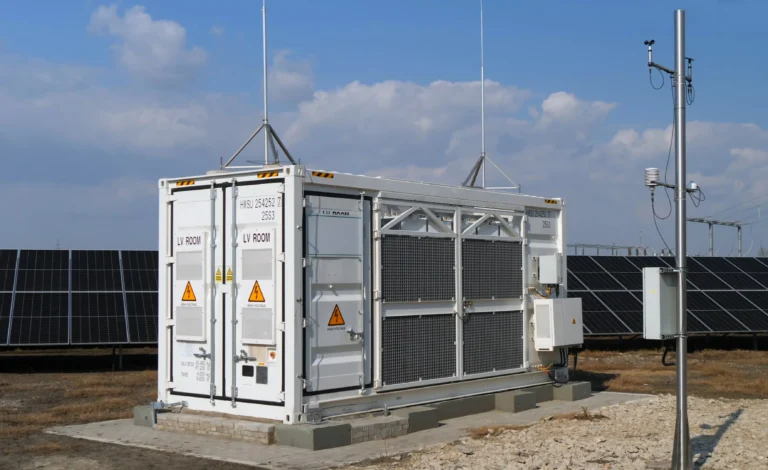
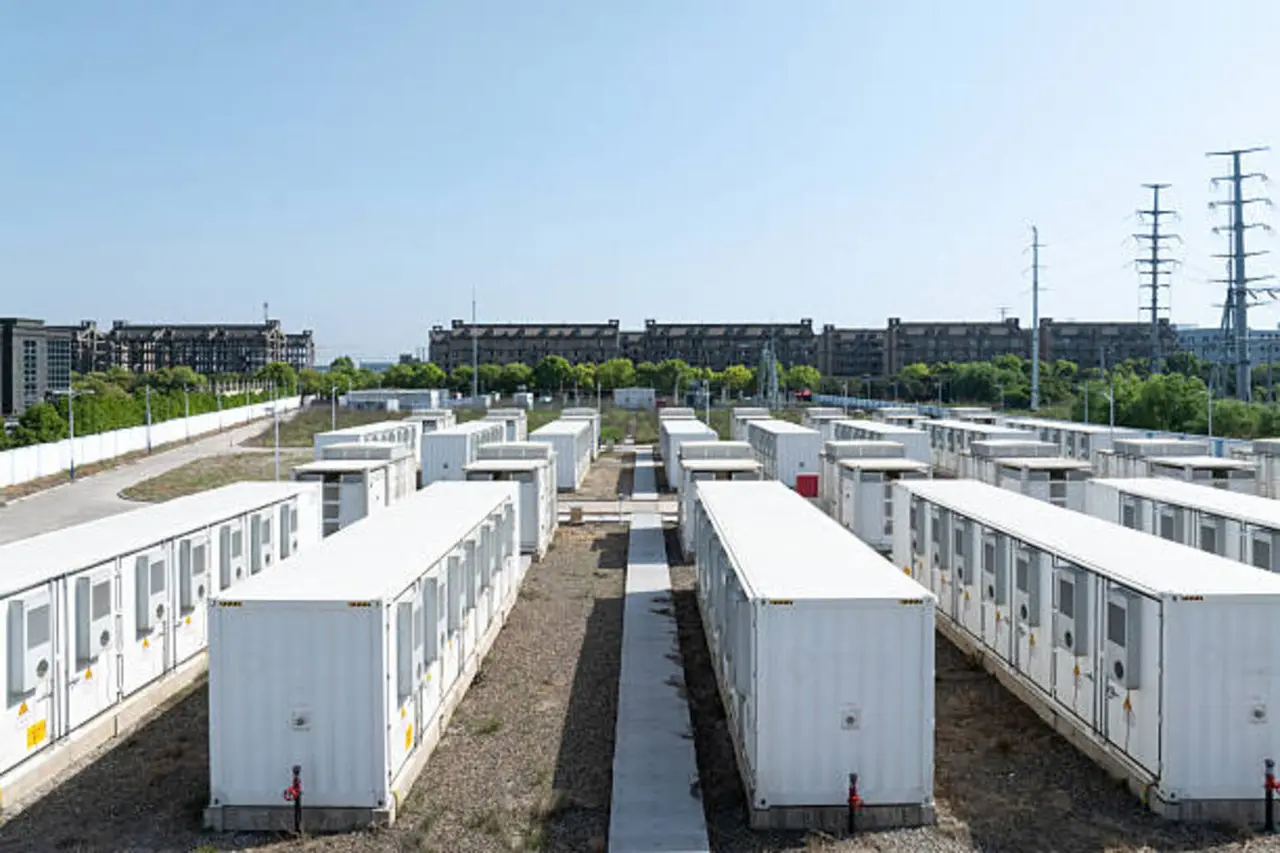
Hybridisation adds battery storage to an existing solar site, using the same grid connection. The battery absorbs generation during the compressed midday hours and discharges into the evening peak, which converts output that would have been sold at the worst prices of the day into output sold at the best. In Spain the mechanism matters more than elsewhere because the capture price problem is a timing problem rather than a demand problem: the electricity is worth little precisely when the plant produces most of it. Adding storage behind an existing connection also avoids the interconnection queue entirely, which is the binding constraint on new build. The ratio here is telling. At 500 MWh against 137 MW of solar, the plan commits roughly 3.6 MWh of storage for every MW of photovoltaic capacity, which is a substantial build relative to the generating asset it supports.
Enerdatics' data shows that Spanish solar and storage are converging rather than competing. Enerdatics records BRUC and Interogo securing $556.72 million of non-recourse green loan financing against an 858 MW operating Spanish solar portfolio, structured with an accordion tranche enabling up to 650 MW of future battery financing, which is the same logic applied at four times the scale: refinance the mature solar, use the capacity created to fund the storage. ENGIE has separately acquired 278 MW and 1.1 GWh of standalone Spanish batteries. Across Europe, Enerdatics recorded around 18 GW of storage traded during 2025 with BESS activity rising 120 percent year on year in the third quarter. Spain sits inside that trend as a market where grid access, price cannibalisation and merchant exposure are pushing owners towards storage integration rather than new generation.
What does the deal signal for Spanish solar?
The deal signals that an operating Spanish solar portfolio is now valued partly on what can be built alongside it. A buyer accepting a below-median price for three producing assets, while simultaneously committing to 500 MWh of storage with a 2028 target, is not buying a generation portfolio. It is buying a grid connection, a set of sites and a revenue profile it intends to reshape. Expect more Spanish solar to trade on that basis, with hybridisation potential priced into the acquisition rather than pursued afterwards, and expect assets without room or grid headroom for storage to price at a widening discount to those that have both.
The financing sequence deserves attention too. Structured financing remains in process, and battery commercial operation is targeted for 2028, which means roughly two years of construction and funding risk sit ahead of the storage revenue that justifies the strategy. The three solar assets generate throughout that period, which is what makes the structure workable: existing cash flow supports the balance sheet while the storage is delivered. That is the practical argument for buying operating solar rather than developing a standalone battery, even in a market where the solar itself is earning less each year.
Key takeaways
- A 137 MW portfolio of three operational Spanish solar assets traded at €99.1 million, roughly €723,000 per MW or about $0.83 million per MW, with Energile acting as transaction adviser, financing lead and storage development manager.
- Enerdatics records a median implied enterprise value of $1.00 million per MW for Spanish operating solar since 2023, within a $0.89 million to $1.15 million interquartile range, so this cleared about 17 percent below the median.
- The transaction includes 500 MWh of confirmed storage hybridisation with battery commercial operation targeted for 2028, roughly 3.6 MWh of storage per MW of solar capacity.
- Spanish capture prices have been compressed by concentrated midday solar output, which is a timing problem that storage behind an existing connection directly addresses.
- Enerdatics records BRUC and Interogo raising $556.72 million against an 858 MW Spanish solar portfolio with an accordion tranche enabling up to 650 MW of future battery financing, the same strategy at larger scale.
Frequently asked questions
How much did the Spanish solar portfolio sell for?The transaction value was €99.1 million for 137 MW of operating solar across three assets, roughly €723,000 per MW or about $0.83 million per MW. Enerdatics records a median of $1.00 million per MW for Spanish operating solar transactions since the start of 2023, within a $0.89 million to $1.15 million interquartile range.
What is solar hybridisation?Hybridisation adds battery storage to an existing solar site, sharing its grid connection. The battery stores generation from the compressed midday hours and discharges into higher-priced evening periods, improving the revenue captured per megawatt hour and avoiding the need for a new interconnection.
Why are Spanish solar assets trading below the median?Spain's rapid solar build-out has concentrated generation in the middle of the day, compressing capture prices and producing periods of very low or negative pricing. That means an operating plant's historic generation record understates the revenue risk ahead, and acquisition pricing adjusts to reflect it.
Ready to get deal-ready answers in seconds? Try Enerdatics Leap AI and access verified intelligence across M&A, financings, PPAs, projects, and energy market developments through natural language.
.jpeg)


