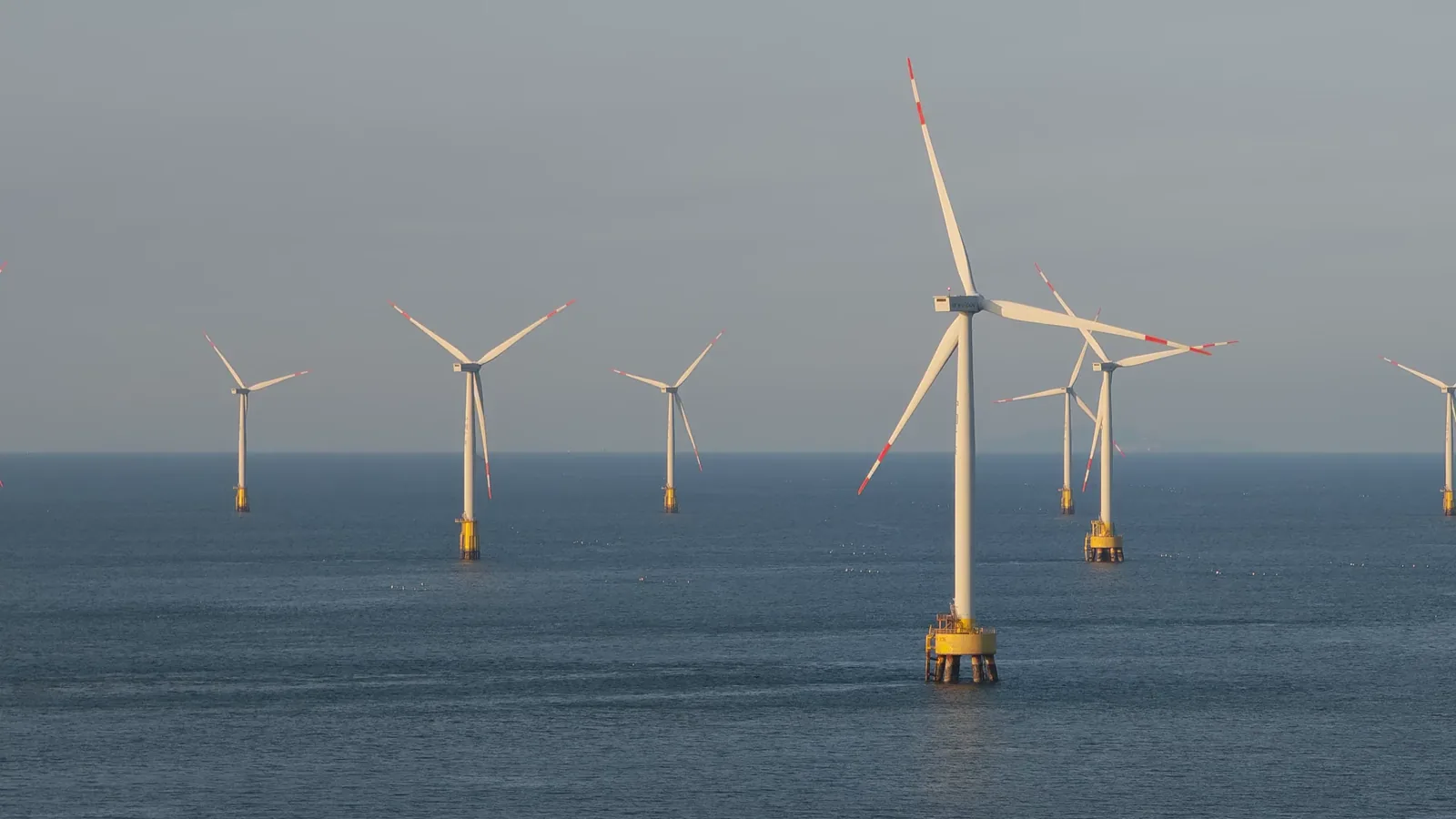
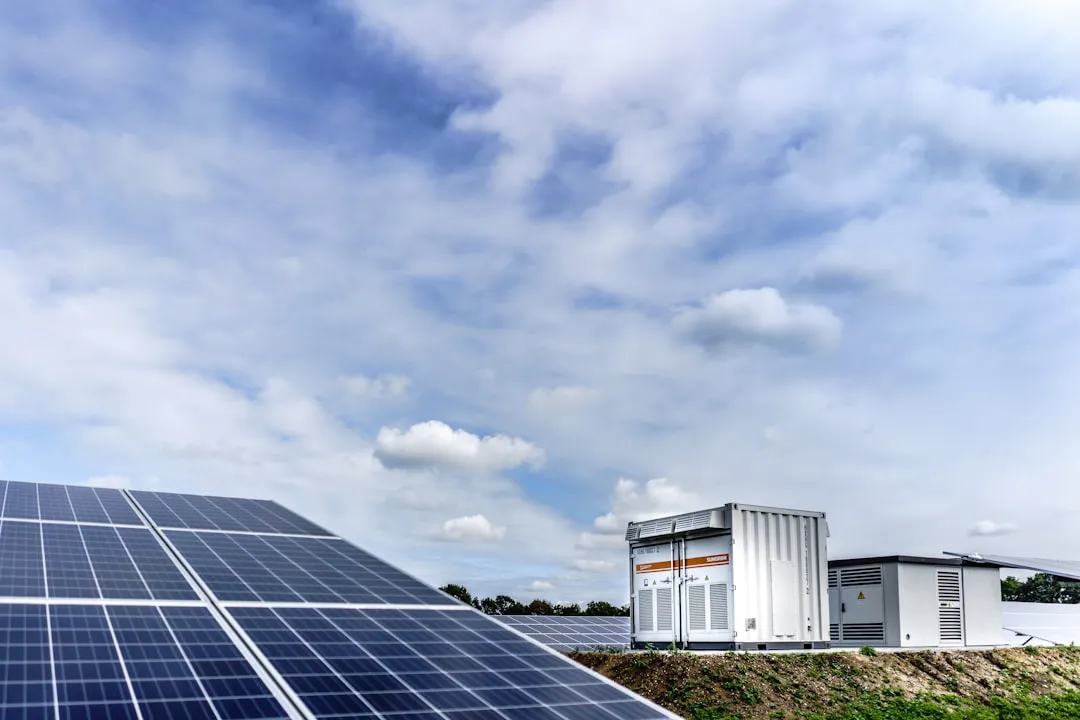
Endesa has secured $547.19 million from two public lenders to keep building solar and wind farms in Spain. The money is for megawatts. The terms are not. The conditions of the loans are tied to how much carbon Endesa emits from the power plants it already runs.
Key takeaways
- Endesa secured $547.19 million of debt on 28 June 2023 for renewable energy projects in Spain, with $328.311 million from Spanish state-owned bank ICO and $218.874 million from the European Investment Bank (EIB).
- The ICO loan supports the construction of 20 solar PV plants and eight wind farms, started in 2021, that together will add 2.35 GW of solar and 0.55 GW of wind capacity.
- The EIB loan is part of a $766 million framework programme co-financing 16 commercial-scale solar developments and eight wind projects in Spain, totalling 1.5 GWp of solar and 0.4 GW of wind, plus the transmission infrastructure needed to connect them to the grid.
- The financial conditions of both loans are paired with a Scope 1 direct greenhouse gas emissions reduction target, whose achievement will be certified by independent third party AENOR.
- Endesa's 2023 to 2025 strategic plan aims to reduce its Scope 1 emissions to below 145 g CO2eq per kWh by December 2025.
Why tie a renewables loan to an emissions target?
Because it rewards the outcome the lender cares about rather than the activity it is funding. A loan whose financial conditions are linked to a sustainability target is usually called a sustainability-linked loan. The money is not ring-fenced to specific green assets by the link itself. Instead, the borrower commits to a measurable target, and the terms of the loan are paired with whether it is met.
Here the target is Scope 1 emissions, meaning the greenhouse gases released directly by a company's own operations, which for a utility chiefly means its fossil-fuelled power stations. Endesa's goal is to bring them below 145 g CO2eq per kWh by the end of 2025. That is a measure of carbon intensity: the emissions produced for each unit of electricity generated.
The link is a natural one. Every solar or wind megawatt the loans help build adds zero-emission output to Endesa's generation mix, which lowers its average carbon intensity even before any fossil plant closes. The use of proceeds and the target therefore pull in the same direction. Third-party certification by AENOR means the target is checked by someone other than the borrower.
What will the two loans actually pay for?
Two overlapping portfolios of Spanish solar and wind. The ICO money is attached to a construction programme already under way since 2021: 20 solar PV plants and eight wind farms, totalling 2.35 GW of solar and 0.55 GW of wind. The EIB money flows through a framework loan that co-finances a large number of commercial-scale projects, 16 solar developments and eight wind projects, amounting to 1.5 GWp of solar and 0.4 GW of wind, along with grid connection infrastructure.
A framework loan is a lending facility agreed once, then drawn in instalments as eligible projects reach the point of needing funds. That explains why the EIB has appeared in Endesa's financing history more than once. The capacity the framework co-finances is equivalent to the annual energy consumption of around one million households.
Both programmes sit in Endesa's home market. The utility is headquartered in Madrid and carries out its main activities in Spain and Portugal, so this is domestic build funded largely by domestic and European public capital.
The solar weighting is pronounced in both programmes. Solar accounts for about 81 percent of the ICO-backed capacity and about 79 percent of the EIB-backed capacity. Leap classifies the financing under solar, although wind is part of both portfolios.
How often has Endesa borrowed from public lenders?
Repeatedly, and on a rising scale. Leap records five Endesa financings for Spanish renewables since April 2021: $179.7 million from CaixaBank in April 2021, $286.6 million from the EIB in November 2021, $337.1 million from ICO in December 2021, $276.2 million from the EIB in April 2022, and this $547.19 million combined loan in June 2023.
The four loans from ICO and the EIB total about $1.45 billion, recorded in US dollars at the time of each announcement. Public lenders have therefore provided the large majority of the debt Leap tracks for Endesa's Spanish renewables build. That matters because a repeat relationship with two public lenders gives Endesa a predictable source of debt for a build programme measured in gigawatts.
Enerdatics records 39 debt financings for renewable energy in Spain in 2023, worth $16.8 billion in total, an average of about $431 million per transaction. At $547.19 million, Endesa's combined loan is above that average. Across all financing types, Spain saw 45 renewable financings in 2023 in Leap, and debt accounted for 39 of them, which shows how far the Spanish build relies on borrowing rather than on fresh equity.
What does the loan signal for Spanish renewables finance?
It signals that Endesa is financing its Spanish solar build through public lenders on sustainability-linked terms. The EIB uses the same framework structure elsewhere in Europe, for example in its framework loan to Intesa Sanpaolo for Italian renewables. In Spain, pairing such loans with a carbon intensity target ties public capital to a verifiable decarbonisation path.
It also points to where the pressure on Spanish generators lies. With 2.35 GW of solar in the ICO programme alone, the capacity these loans fund is overwhelmingly solar. The emissions link shifts the measure of success from megawatts installed to carbon intensity achieved, and makes that measure part of the loan terms rather than a statement of intent.
Frequently asked questions
Who lent Endesa $547 million in June 2023? Spanish state-owned bank ICO provided $328.311 million and the European Investment Bank provided $218.874 million. The EIB loan forms part of a $766 million framework programme.
What will Endesa build with the ICO and EIB loans? The ICO loan supports 20 solar PV plants and eight wind farms totalling 2.35 GW of solar and 0.55 GW of wind. The EIB framework co-finances 16 solar and eight wind projects totalling 1.5 GWp of solar and 0.4 GW of wind, plus grid connections.
What emissions target is linked to Endesa's loans? The loans are paired with a Scope 1 direct emissions reduction target certified by AENOR. Endesa aims to cut Scope 1 emissions to below 145 g CO2eq per kWh by December 2025.
Ready to get deal-ready answers in seconds? Try Enerdatics Leap AI and access verified intelligence across M&A, financings, PPAs, projects, and energy market developments through natural language.