Equitix Exit Shows Why Spain’s Regulated Solar Assets Are Drawing Long-Term IPP Capital
.png)
Spain’s operational solar M&A market is shifting toward ownership consolidation around regulated, cash-yielding assets, as long-term IPPs and infrastructure-backed buyers prioritize revenue certainty over development risk. Velto Renewables’ agreement to acquire Equitix’s minority stake in the 45 MWp Enersol solar portfolio shows how buyers are moving to tighten control over proven operating assets rather than chase early-stage capacity exposed to permitting, grid, or merchant-price uncertainty.
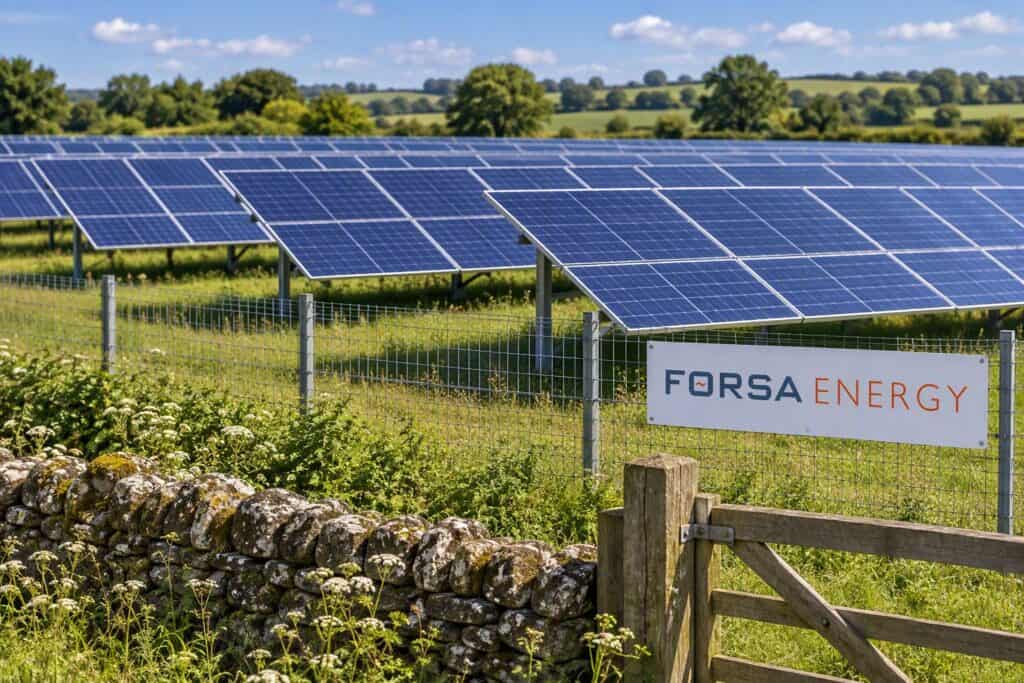
The Enersol portfolio comprises nine operational solar PV assets in Andalucía, southern Spain. The assets benefit from long-term regulated revenues under Spain’s renewable energy framework, making the transaction commercially different from a typical development-stage solar sale. This is not a buyer taking construction or permitting risk. It is an existing operating partner increasing its ownership in an asset base it already knows, with performance history, regulated cash flows, and asset-management visibility.
For Equitix, the sale is a capital recycling move after holding its interest since 2018. The investor’s exit follows a period of operational optimization and value enhancement, supported by Velto’s active asset management. That matters because the value creation in this portfolio was not driven by speculative capacity growth. It came from improving performance inside an already operating, regulated asset base, then crystallizing value once the asset had matured under long-term ownership.
For Velto Renewables, the acquisition strengthens its Spanish operating platform and raises its portfolio in the country to around 500 MW. Backed by La Caisse, formerly CDPQ, Velto is behaving like a long-term infrastructure owner: consolidating exposure in assets with stable cash generation, known operating conditions, and limited development attrition. The deal also signals confidence in Spain’s older regulated solar fleet, particularly assets that can still deliver value through operational discipline, refinancing potential, and portfolio-level management.
The commercial signal is consistent with broader European M&A behavior tracked by Enerdatics. In Q3 2025, Europe recorded around $7B of renewable energy M&A, with Spain and Italy leading solar activity as investors targeted assets across multiple development stages. Enerdatics also notes that operational utility-scale solar assets in Europe traded in a wide valuation range of $0.8M–$1.7M/MW, with selected assets reaching up to $2.3M/MW where revenue visibility, tariff support, or portfolio quality justified premium pricing.
Spain’s regulated solar assets can sit near the premium end of investor attention because they offer something many newer projects do not: long-duration revenue visibility. Enerdatics data highlights that projects operating under Spain’s pre-2013 feed-in tariff regime continue to attract outsized valuations due to guaranteed, high-priced tariffs. A recent example is Velto Renewables’ agreement to acquire a 260 MW Spanish solar portfolio from Bankinter and Plenium Partners for $1.3B, implying one of the highest multiples in Europe, with tariffs averaging around €269/MWh.
The Enersol transaction is smaller at 45 MWp, but the strategic logic is similar. Buyers are paying for regulated operating cash flow, asset familiarity, and control. In a market where merchant exposure, curtailment risk, and shorter-duration PPAs can pressure valuations, regulated assets with established operating histories become more defensible targets. This is especially relevant in Spain, where grid congestion and solar price cannibalization have made pure merchant PV exposure harder to underwrite.
The deal also reflects a wider shift from passive minority holdings toward more concentrated ownership by specialist platforms. Equitix exits after active ownership and value creation, while Velto increases its stake in an asset it already manages. That reduces diligence friction, limits integration risk, and allows the buyer to capture more upside from operational improvements. For infrastructure funds and long-term IPPs, this kind of stake consolidation can be more attractive than competitive auctions for new development pipelines.
For sellers, the implication is clear: mature regulated solar portfolios remain monetizable, especially where operational improvements can be demonstrated. Minority stakes in smaller portfolios may still command interest when the buyer is an incumbent partner or a platform seeking deeper control. However, sellers of assets with expiring PPAs, weaker performance history, or higher merchant exposure may face more scrutiny, as buyers increasingly differentiate between stable contracted yield and unhedged solar output.
For buyers, the pressure is shifting toward securing assets before regulated portfolios become even scarcer. Spain’s highest-quality operational PV assets are finite, and many are already held by infrastructure funds, utilities, or long-term renewable platforms. As a result, future deal activity may increasingly come through stake acquisitions, fund exits, bilateral negotiations, and portfolio clean-ups rather than large open-market processes.
The forward-looking signal is that Spanish solar M&A will remain highly selective. Development-stage PV will still trade where grid access, permits, and offtake are visible, but regulated operational assets will continue to attract a different class of capital: long-duration infrastructure investors seeking contracted cash flows, low execution risk, and platform synergies. Velto’s acquisition of Equitix’s Enersol stake shows that in Spain, the most competitive solar deals are no longer just about adding megawatts. They are about consolidating control over assets whose revenue quality can justify premium ownership.
Ready to get deal-ready answers in seconds? Try Enerdatics Leap AI and access verified intelligence across M&A, financings, PPAs, projects, and energy market developments through natural language.