B.Grimm Power’s Future Green Tech Acquisition Signals Thai Solar Buyers Are Moving Earlier for Portfolio Control
.png)
B.Grimm Power’s acquisition of Future Green Tech signals a tactical shift in Thai solar M&A: established power producers are moving earlier in the development chain to secure portfolio control before projects mature into higher-priced operating assets. Through its 74.99%-owned subsidiary B.Grimm Greenery Company Limited, B.Grimm Power acquired 100% of Future Green Tech from Greenergy Holding Thailand for THB 500,000, turning FGT and its subsidiaries into indirect subsidiaries of the listed power group.
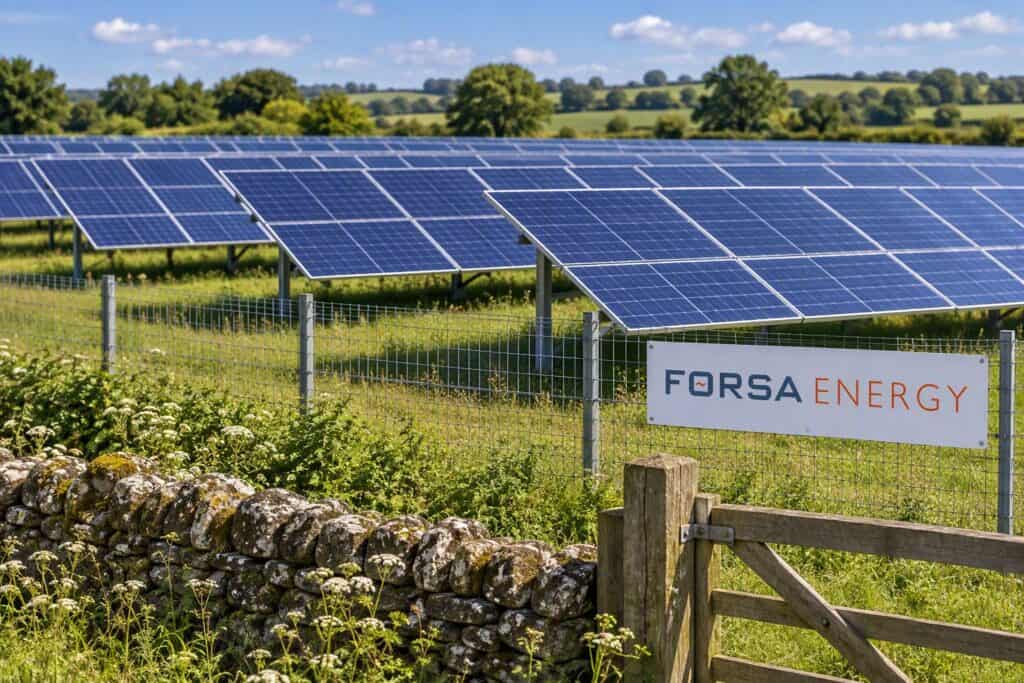
The transaction is small in disclosed consideration, but commercially meaningful because it is structured around platform and pipeline positioning rather than immediate operating-asset acquisition. Future Green Tech operates as a holding company and owns full stakes in multiple subsidiaries involved in power generation and electricity distribution. For B.Grimm Power, the value is not the THB 500,000 purchase price alone; it is the ability to bring a set of solar-related entities under group control and use them as vehicles for future renewable energy development, permitting, financing, and power sales.
This matters because solar buyers across APAC are becoming more selective about where they take risk. Enerdatics’ Q3 2025 M&A analysis showed that APAC solar transaction activity had slowed versus prior quarters, while investors continued to prefer operational, hybrid, or de-risked portfolios in markets such as India and Australia. At the same time, Australia attracted private equity interest in solar and BESS developers, while India saw continued asset-level divestments and farm-downs by international players.
B.Grimm’s move fits a different but related pattern: balance-sheet-backed strategic buyers are not waiting for fully mature solar assets to come to market. They are using corporate vehicles and holding-company acquisitions to secure optionality at a lower entry cost. That is especially relevant in Thailand, where renewable energy growth is closely tied to regulatory approvals, grid access, tariff visibility, and long-term power purchase arrangements. Buyers with existing utility relationships and operating experience can often extract more value from early-stage corporate structures than financial investors can.
The capital signal is the most important part of this deal. A THB 500,000 consideration is not an operating-asset valuation; it is an option premium for ownership control. The acquisition was funded from B.Grimm Greenery’s working capital, which suggests the group is using internal capital to build renewable expansion capacity without triggering a material asset acquisition classification. For a listed IPP, that keeps transaction risk low while preserving the ability to scale the subsidiaries later through project-level equity, debt, or offtake-backed financing.
For sellers and smaller developers, this type of transaction shows how value can be realized before projects reach commercial operation. Rather than waiting for full project maturity, a developer or holding-company owner can monetize a corporate structure once the buyer sees strategic value in its licenses, subsidiaries, market access, or future development potential. However, low headline consideration also shows the pressure on sellers when assets are not yet visibly de-risked through capacity, offtake, or construction milestones.
For buyers, the implication is clear: acquisition value is increasingly linked to control, timing, and development rights rather than only installed MW. B.Grimm Power is already an established regional power player, so the acquisition gives it a cleaner route to expand solar exposure through controlled subsidiaries instead of competing later for mature assets at higher multiples. In a market where contracted renewable assets can attract stronger pricing once COD visibility improves, early corporate acquisitions can reduce future entry costs.
The forward-looking signal is that Thai renewable M&A may see more small-ticket platform and subsidiary-level deals before larger project-level transactions emerge. Strategic IPPs are likely to keep acquiring development vehicles, minority stakes, or holding companies that provide access to solar projects before construction. Financial investors may remain more focused on de-risked assets, but utilities and listed power producers with internal development capability can justify earlier entry because they can manage permitting, grid, financing, and offtake risk in-house.
B.Grimm Power’s Future Green Tech acquisition is therefore less about the size of the cheque and more about the commercial logic behind it. The deal shows a buyer using a low-cost corporate acquisition to expand solar optionality, strengthen its renewable platform, and position for future project buildout before asset-level competition pushes valuations higher.
Ready to get deal-ready answers in seconds? Try Enerdatics Leap AI and access verified intelligence across M&A, financings, PPAs, projects, and energy market developments through natural language.