
Altea Green Power’s Puglia Hybrid Deal Shows Italy’s Solar M&A Shift Toward Storage-Backed IPP Ownership
.png)
Italy’s solar M&A market is shifting from pure development monetization toward storage-backed IPP ownership, as buyers place higher value on assets that can combine near-term construction visibility with intraday price optimization. Altea Green Power’s acquisition of an already authorized hybrid project in Puglia shows this change clearly: the company is not just buying megawatts, it is buying a ready platform for merchant flexibility, bankable construction, and long-term asset ownership.
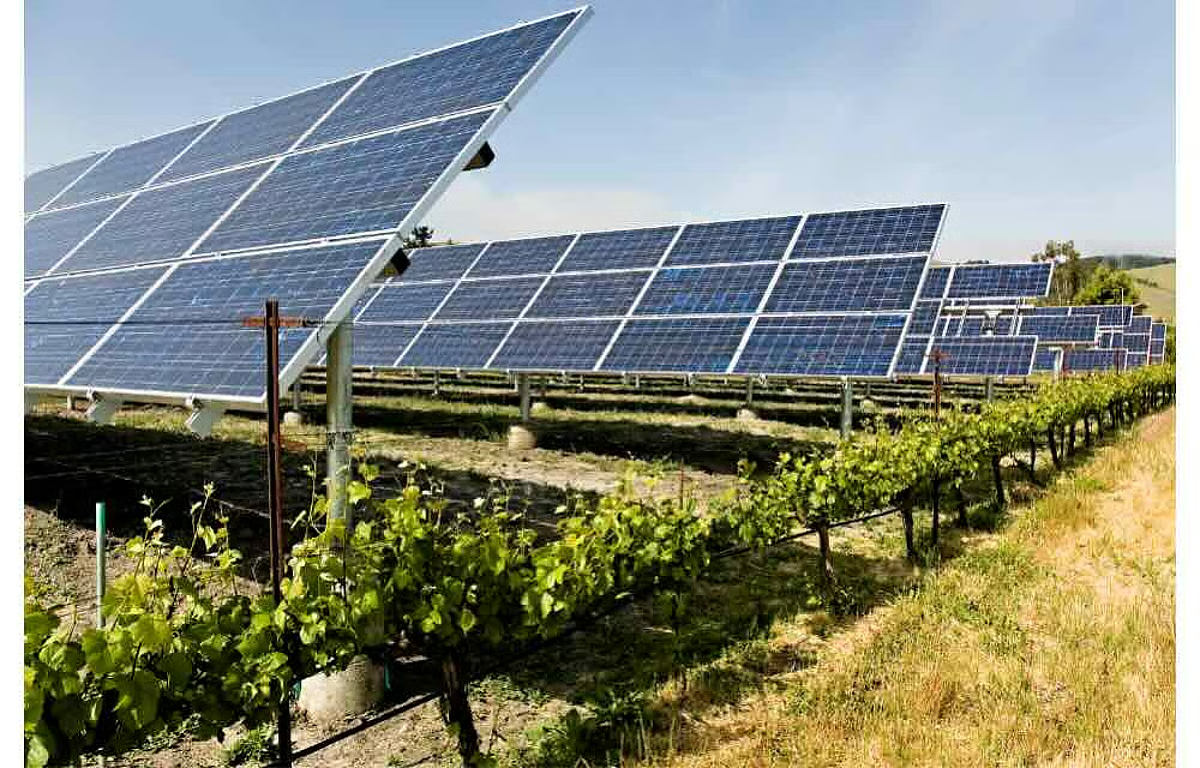
The deal covers a 12 MW photovoltaic plant combined with an 8 MW battery energy storage system in Ascoli Satriano, Puglia. The project has already secured planning permission, construction is expected to start between the end of 2026 and Q1 2027, and commercial operations are targeted by the end of 2027. Annual output is estimated at around 22 GWh. Total investment, including the acquisition price and plant construction, is approximately EUR 13 million, with part of the capital stack expected to come from bank loans.
The commercial signal is important because Altea Green Power is using M&A to accelerate its transition from developer and EPC service provider into a direct owner of renewable assets. The company’s 2024–2028 business plan calls for a stronger Independent Power Producer model, and the Puglia acquisition fits that strategy by moving AGP closer to recurring operating cash flows rather than one-off development gains. For a listed renewable developer, that is a meaningful capital allocation shift.
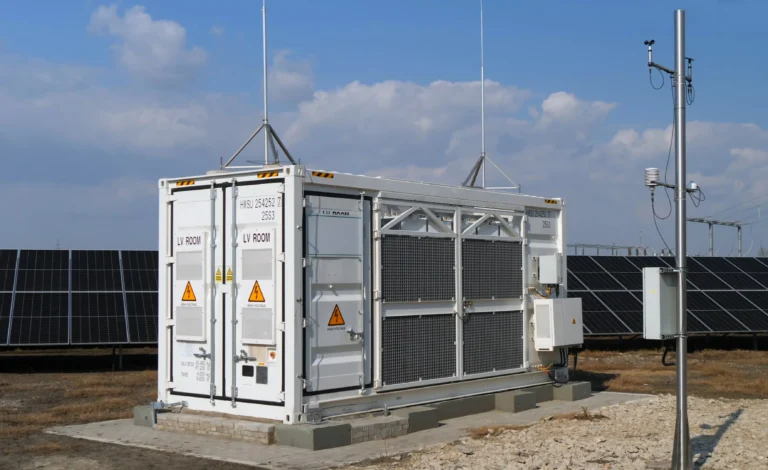
The storage component is the core value driver. AGP specifically described the asset as a “high-yield hybrid” project, with BESS enabling energy sales optimization during higher-value time slots and supporting revenue maximization. That language matters commercially because it shows how Italian solar buyers are underwriting flexibility, not just generation volume. In a market exposed to negative price hours, grid congestion, and widening intraday spreads, storage allows owners to shift output, reduce capture-price risk, and participate more actively in balancing and flexibility markets.
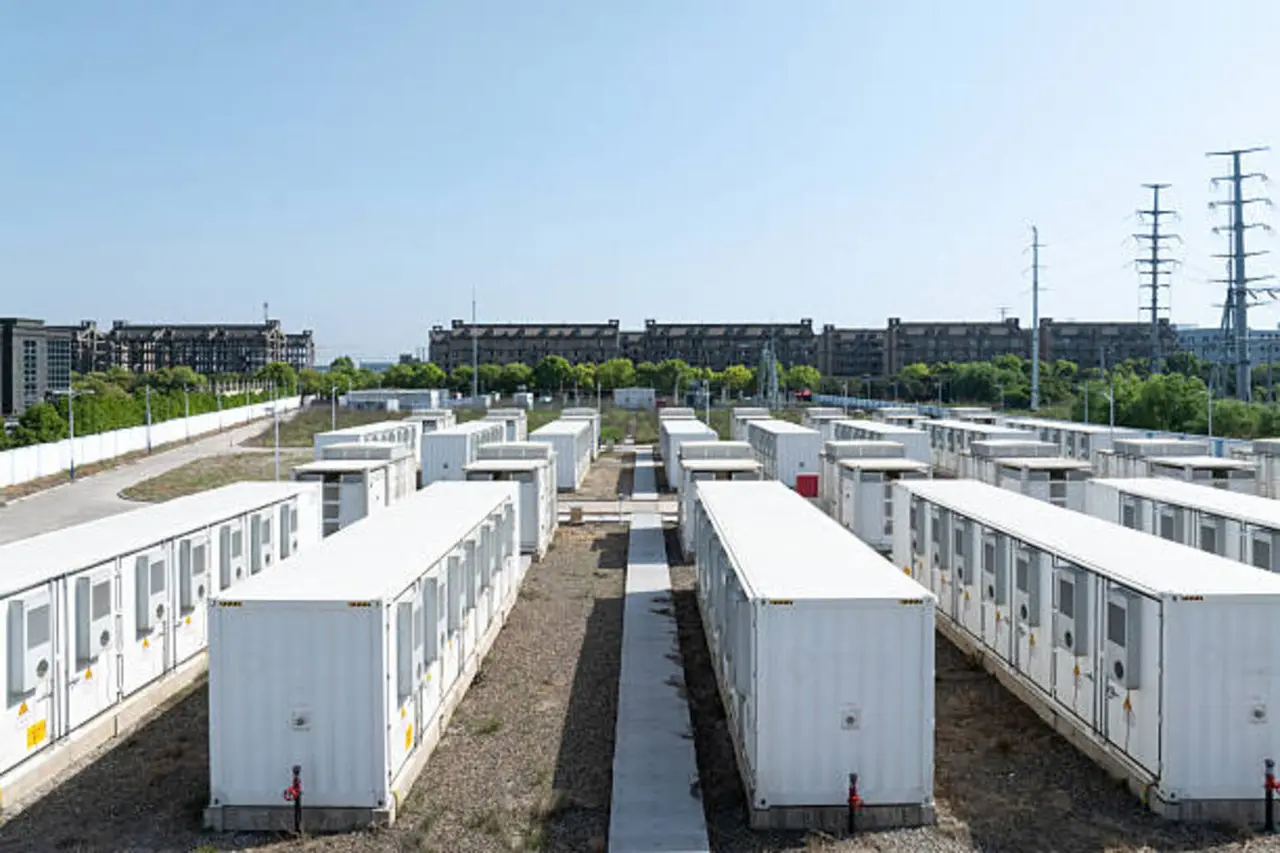
Enerdatics data supports the broader market shift behind this transaction. In Q3 2025, European BESS M&A rose sharply, with around 18 GW of storage assets traded across 22 deals, and the UK, Germany, and Italy together accounting for a major share of activity. Enerdatics also notes that investor appetite in Europe has moved toward grid-connected BESS and hybrid renewable assets, supported by price volatility and policy frameworks such as Italy’s MACSE.
That makes AGP’s Puglia project commercially relevant despite its relatively modest size. At 20 MW of combined solar and storage capacity, it is not a platform-scale acquisition. But it is authorized, hybridized, and aligned with a defined COD timeline. In today’s market, those characteristics can matter more than raw pipeline size. Buyers and lenders are increasingly focused on projects that have cleared permitting, can enter construction within a visible window, and offer multiple revenue levers once operational.
The EUR 13 million investment implies roughly EUR 650,000 per MW on the combined 20 MW solar-plus-storage capacity basis, before adjusting for differences between solar MW and battery MW economics. That signal is not directly comparable with pure solar project valuations, but it does indicate AGP is prepared to commit balance sheet and debt capacity to a hybrid asset where storage can raise project yield above a conventional PV-only plant. The planned use of bank financing also points to improving lender comfort with smaller hybrid structures when permitting and construction timelines are clear.
For buyers, the implication is that Italy’s most attractive solar assets will increasingly be those with storage optionality, not standalone PV projects exposed to daytime price cannibalization. Hybrid assets offer a stronger route to revenue management because owners can combine solar production, battery dispatch, and potentially future participation in capacity or flexibility mechanisms. This is especially important in southern Italy, where solar penetration is rising and grid flexibility is becoming more valuable.
For sellers and developers, the pressure is different. Early-stage solar projects without storage rights, grid certainty, or a clear construction path will face a tougher buyer universe. Developers that can bring authorized hybrid projects to market, package them with EPC visibility, and demonstrate a credible route to financing are more likely to capture premium pricing. Those selling simple land-secured or early-stage PV pipelines may have to accept milestone-based structures or valuation discounts.
The forward-looking takeaway is that Italy’s renewable M&A market is moving toward smaller but more bankable hybrid acquisitions, especially where buyers can convert development assets into owned IPP portfolios. Altea Green Power’s Puglia deal shows how storage is becoming the bridge between development strategy and long-term ownership. The next wave of Italian solar transactions is likely to reward projects that are not only permitted and construction-ready, but also designed to protect revenues in a more volatile power market.
Ready to get deal-ready answers in seconds? Try Enerdatics Leap and access verified intelligence across M&A, financings, PPAs, projects, and energy market developments through natural language.
.jpeg)


