.png)
Italy solar M&A is shifting toward capital-light development aggregation, with buyers securing small, strategically located PV projects through deferred consideration rather than paying full value upfront for early-stage risk. Zenith Energy’s acquisition of a 5 MWp ground-mounted photovoltaic development project north of Rome shows how listed and smaller energy developers are building scale in Italy by locking in site control, pushing assets toward Ready-to-Build status, and preserving capital for construction or selective recycling. The commercial significance is clear: buyers are not simply acquiring megawatts; they are acquiring optionality in a market where grid access, permitting progress, and near-term monetisation potential increasingly define value.
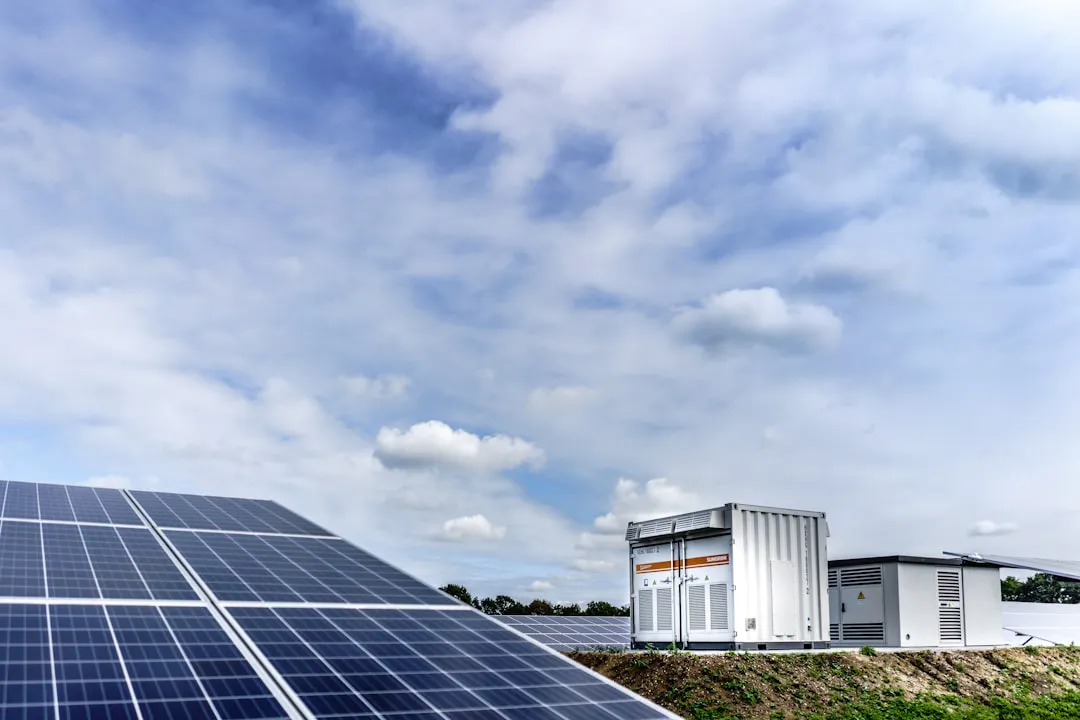
Zenith’s Rome PV Project adds 5 MWp to its Italian solar development portfolio, taking the company’s total pipeline to 188.5 MWp. That places Zenith at 94% of its stated target of exceeding 200 MWp of solar development capacity by the end of 2026. The asset is located along the A1 motorway corridor north of Rome, adjacent to an established industrial area and connected to major Central and Northern Italy transport infrastructure. That location matters commercially because smaller development projects near demand centres, industrial zones, and existing infrastructure can offer more credible routes to permitting, grid integration, and eventual offtake than speculative greenfield pipeline.
The structure of the acquisition is the more important signal. Zenith disclosed total land consideration of €440,000 for the Rome PV Project, equal to roughly €88,000 per MWp, but the consideration is payable only after all required permits are secured and the project reaches Ready-to-Build status. This milestone-based structure transfers a meaningful portion of development risk away from Zenith and limits upfront capital exposure. For a company still moving from development ownership into operating renewable generation, that matters because every euro tied up in early-stage land and permitting is capital unavailable for construction, grid deposits, or working capital.
Zenith’s disclosed portfolio valuation also gives the transaction a useful pricing context. Its independent valuation as of March 31, 2026 assigned €54.7 million of value to 173.5 MWp of solar pipeline, implying an average portfolio value of approximately €315,000 per MWp. Against that benchmark, the Rome land consideration of around €88,000 per MWp looks less like a full project acquisition price and more like a controlled entry cost into a development asset that can be revalued as it advances through permitting. The spread between entry cost and independently assessed portfolio value is the value-creation logic behind Zenith’s acquisition model.
This aligns with the broader European M&A pattern tracked by Enerdatics. In Q3 2025, Europe recorded about $7 billion of renewable energy M&A, with solar and onshore wind activity remaining stable while investors increasingly targeted assets with clearer development milestones. Enerdatics noted that around 70% of European solar deals during the quarter involved early-to-advanced development assets, with Italy and Spain leading solar activity at 10 and eight deals respectively.
The same data points to a widening valuation gap between early-stage exposure and de-risked projects. Enerdatics analysis shows European utility-scale solar development premiums typically ranged from $20,000–35,000/MW for early-stage assets, rising to as much as $160,000/MW for Ready-to-Build projects with co-located BESS. Zenith’s Rome deal fits inside this repricing logic: pay modestly at entry, push the asset through permitting, and allow the valuation uplift to emerge closer to RtB rather than absorbing full development-stage risk on day one.
The acquisition also shows how smaller listed energy companies are trying to behave more like capital recyclers than passive pipeline holders. Zenith said its first operational solar cluster in Puglia, comprising three plants with 7 MWp of combined capacity, is expected to begin construction in July 2026 and reach commissioning in Q3 2026. Once online, that cluster would mark Zenith’s transition from renewable development aggregator to solar power producer with operating revenue. That transition matters because operating assets can support stronger portfolio valuation, improve lender confidence, and give Zenith more flexibility to fund additional development without relying solely on equity issuance.
At the same time, Zenith is evaluating the potential disposal of one development project to a leading national renewable energy operator. That statement is commercially important because it confirms the company is not treating every acquired asset as a hold-to-operate project. Instead, Zenith appears to be building a portfolio with multiple exit routes: take selected projects into construction, sell others at advanced development milestones, and redeploy proceeds into new pipeline. For buyers of Zenith’s projects, the attraction would be local permitting progress and packaged development work. For Zenith, the attraction is recycling capital before construction capex becomes the dominant funding requirement.
The seller and developer implication is that Italy’s solar market is rewarding portfolios that can prove milestone progression, not just headline capacity. Developers with land control but limited permitting visibility will face pressure to accept deferred payments or earn-outs. Developers that can bring projects to RtB, secure grid pathways, or structure assets for PV-plus-BESS optionality should command stronger pricing. Buyers, meanwhile, will continue to use contingent consideration to manage permitting risk while building exposure in regions where Italy’s solar capacity additions, power-price volatility, and storage policy support are improving the investment case.
The forward signal from Zenith’s Rome acquisition is that Italy solar M&A will likely remain active below the large-platform level. Smaller 2–10 MWp PV and agrivoltaic projects may look modest individually, but they can become valuable aggregation targets when packaged into regional clusters with common permitting, grid, and construction strategies. Zenith’s 188.5 MWp portfolio shows how quickly that aggregation model can scale. The next commercial test is whether the company can convert portfolio valuation into cash flow through Puglia commissioning and selective asset sales. If it succeeds, milestone-based development acquisitions like the Rome PV Project will become a more visible route for smaller European energy companies to build renewable platforms without overextending their balance sheets.
Want to track the latest M&A, financings, PPAs, and key developments across the industry? Explore the Enerdatics Insights page.
.jpeg)