.png)
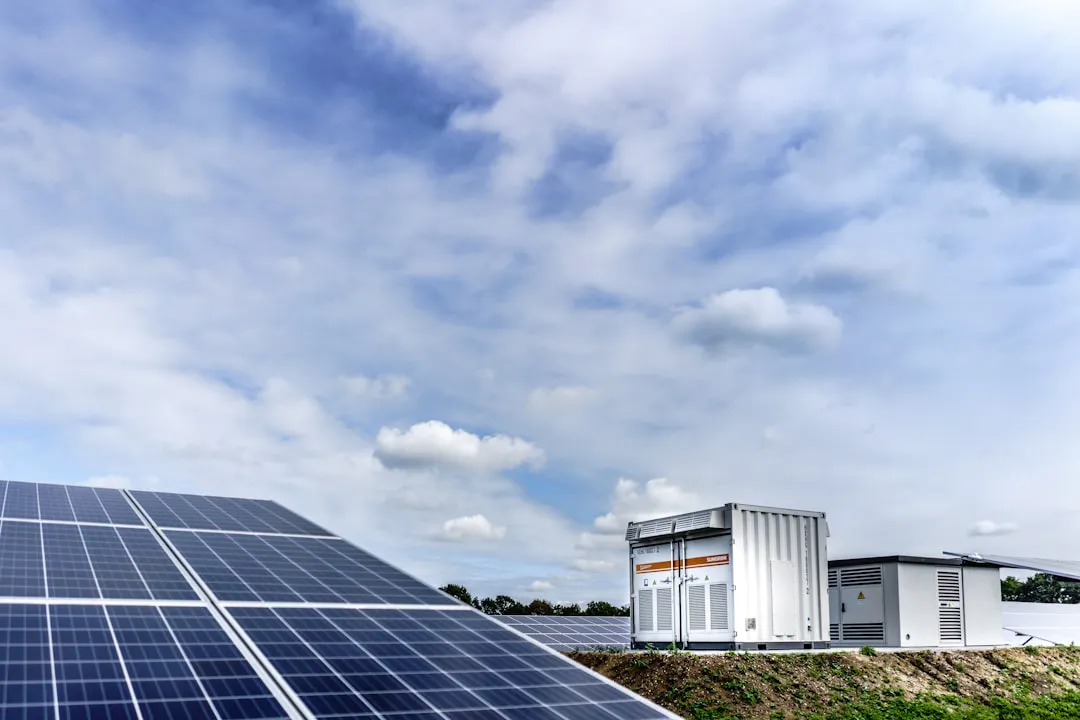
Capwatt's sale of a 38 MW battery storage project in Catalonia to Axpo is a small transaction sitting at the front edge of a large shift: Spanish battery development is beginning to convert into Spanish battery deal-making. For the Portuguese independent energy producer, backed by Prismore Capital, this is a first, the initial monetisation from a BESS pipeline of roughly 2 GW spread across Portugal, Spain, Italy and Poland. For the Swiss buyer, it is the latest entry in a deliberate pan-European campaign of development-stage acquisitions. And for the Iberian storage market, it is early evidence that the enormous volume of battery capacity sitting in Spanish grid queues is starting to find institutional owners.
The structure of the deal follows the template that has become standard for development-stage asset sales. Capwatt sells the project but remains in charge of the entire licensing process through to ready-to-build status, combining its permitting capability with Axpo's delivery and market expertise, and the transaction establishes a strategic partnership between the two companies to advance further storage infrastructure. The consideration was not disclosed. The seller keeps doing what developers are best paid for, navigating Spanish permitting, while the buyer secures a project it can carry into construction and, crucially for a trader-utility, into its market operations. Capwatt has noted that storage is a strategic growth area alongside its core focus on renewable fuels, and a clean first exit at RtB validates the value of the remaining pipeline far more effectively than any internal appraisal.
Enerdatics' data captures how young, and how quickly maturing, the Spanish battery M&A market is. Only ten battery transactions have been recorded in Spain since the start of 2023, but the trajectory inside that small number is unambiguous: one deal in 2024, four in 2025, and five already in 2026 year to date, with the deals collectively covering more than 3 GW of capacity and almost all closing on undisclosed terms. Spain spent the past three years amassing one of Europe's largest storage development pipelines while producing very little transaction activity; that gap is now closing, and 2026 has already produced more Spanish battery deals than any previous full year. The catalysts are well known, from national storage targets and dedicated support mechanisms to the April 2025 Iberian blackout, which turned grid flexibility from a policy ambition into an operational imperative and sharpened investor conviction in the revenue case for storage.
The buyer's track record shows exactly what kind of capital is arriving. Enerdatics' records show six acquisitions by Axpo since the start of 2024, every one of them development-stage, spanning batteries, solar, hydrogen and bioenergy across Spain, Germany, Portugal, Poland and Italy. The Catalonia purchase is Axpo's second European BESS acquisition in seven months, following a 100 MW German battery project acquired from Viridi RE and Green Enesys in December 2025, and it repeats a 2024 Spanish solar purchase from the same seller group, evidence that the company converts one-off acquisitions into repeat developer relationships. For a trading house, development-stage batteries are not yield assets but optionality: flexible capacity that can be optimised across wholesale, balancing and ancillary markets where Axpo already operates. Traders buying at RtB, ahead of the yield investors who arrive at commercial operation, is a familiar sequence from Germany and Britain, and its appearance in Spain signals the market entering the same maturation path.
The forward signal for Iberian developers is a monetisation window opening. Spain's grid access registers hold tens of gigawatts of prospective storage capacity, the overwhelming majority of it in early development with owners who lack the balance sheet or the appetite to build. The Capwatt transaction demonstrates the exit route: carry projects through the hardest phase, Spanish permitting, and sell at or near RtB to utilities and traders assembling flexibility portfolios. Developers with genuine licensing capability will be paid for it, while paper pipelines without a credible path through permitting will find the same buyers unwilling to engage. Expect the strategic partnership model seen here, seller retained through RtB with a framework for further projects, to become the standard contract of the Spanish storage build-out.
Capwatt's first battery sale is therefore worth more than its 38 megawatts suggest. It prices the entry of trading capital into Spanish storage, converts a developer's pipeline claim into a transacted reality, and starts the clock on a monetisation cycle that the past three years of Iberian battery development have been quietly preparing.
Ready to get deal-ready answers in seconds? Try Enerdatics Leap AI and access verified intelligence across M&A, financings, PPAs, projects, and energy market developments through natural language.
.jpeg)