ALTÉRRA’s Inkia Energy Investment Signals a New Phase for LatAm Renewable Platform M&A
.png)
Latin America renewable energy M&A is shifting from single-asset exposure toward scaled power platforms that combine operating generation, grid relevance, and near-term renewable expansion. ALTÉRRA’s co-investment in Peru’s Inkia Energy alongside I Squared Capital shows that climate-focused capital is no longer entering growth markets only through greenfield pipelines; it is backing incumbent power platforms that already supply a material share of national electricity demand and can convert balance-sheet strength into renewables buildout.
The transaction marks ALTÉRRA’s first direct investment in Latin America and was made through its Opportunity Fund, alongside an I Squared-managed continuation vehicle under a joint control structure with CPP Investments. Commercially, the structure matters because it gives ALTÉRRA exposure to a controlled, operating energy platform rather than a minority stake in a fragmented development portfolio. For I Squared, the deal brings fresh institutional capital into Inkia without giving up the strategic control required to execute the platform’s next phase of growth.
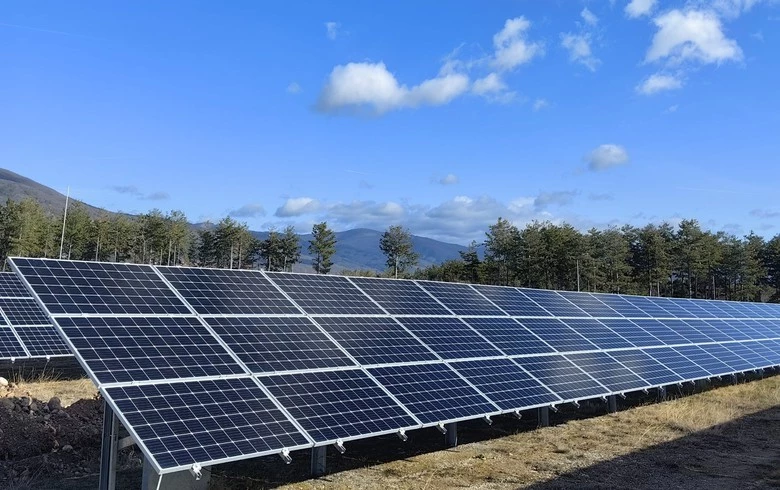
Inkia Energy is not a speculative renewables developer. Based in Lima, it operates 2.6 GW of generation capacity and supplies around one quarter of Peru’s electricity. That operating base gives the platform a different risk profile from early-stage solar or wind portfolios competing for capital across Latin America. The growth case is tied to a 4 GW renewables pipeline, including nearly 1 GW of near-term solar and wind expansion projects. For ALTÉRRA, the attraction is not simply Peru’s renewable resource potential; it is the ability to fund decarbonization through a power company already embedded in the country’s electricity system.
This is the commercial shift: investors are moving toward platforms that can solve three problems at once — clean generation growth, system reliability, and rising demand from industrial load. Peru’s power market benefits from electricity demand linked to mining activity, industrial expansion, and infrastructure development. Tightening reserve margins increase the need for additional capacity, making Inkia’s renewables pipeline commercially relevant beyond carbon reduction. The transaction positions renewable investment as part of national power-system resilience, not only as a transition allocation.
The deal also fits a wider LatAm pattern identified by Enerdatics. In Q3 2025, Latin America recorded around $12B of M&A, driven by platform-level investments and big-ticket transactions, with global investors targeting integrated energy platforms across renewables, conventional generation, and transmission. Deals such as Iberdrola’s $4.7B investment in Neoenergia, Cox’s $4.1B acquisition of Iberdrola’s Mexico business, and Brookfield-QIA’s $2B investment in Colombia’s Isagen show the same buyer logic: capital is being deployed into platforms with diversified generation, contracted cash flows, and strategic grid relevance rather than isolated development assets.
ALTÉRRA’s move into Inkia extends that logic into Peru. It follows a period in which Peru had already appeared in LatAm renewable M&A through contracted and operational asset trades, including Luz del Sur’s $253M acquisition of an operational onshore wind farm and earlier activity involving Genux Power’s acquisition of a 700 MW renewable development portfolio. The Inkia transaction is different in scale and strategic intent. It is not just an asset rotation trade; it is a platform recapitalization designed to fund a multi-gigawatt renewables program.
The capital provider mix is important. ALTÉRRA is a climate investment vehicle launched with a US$30B UAE commitment and a mandate to mobilize larger pools of transition capital. I Squared is a global infrastructure manager with $60B in assets under management and a long-standing ownership position in Inkia. CPP Investments’ role through the continuation vehicle adds another layer of long-duration institutional capital. This combination reflects how growth-market renewable platforms are increasingly being financed: infrastructure sponsors retain operational control, climate capital provides expansion funding, and pension-linked capital supports longer hold periods.
The valuation signal is not a disclosed headline multiple, but the continuation-vehicle structure itself is meaningful. It indicates that established sponsors are using secondary capital and co-investment vehicles to hold high-quality power platforms for longer, rather than exiting once the first wave of value creation is complete. For buyers, this creates access to scaled operating platforms in markets where direct control positions are scarce. For sellers or incumbent sponsors, it creates liquidity and growth capital without forcing a full sale.
Inkia also benefits from being a renewables expansion story attached to an existing generation platform. In current renewable M&A markets, that matters because early-stage pipelines face heavier scrutiny around permitting, grid access, and execution timelines. Enerdatics data shows that buyers globally have become more disciplined, prioritizing contracted, grid-ready, and operational assets with near-term monetization potential. In LatAm, this discipline is pushing capital toward integrated IPPs and utilities where operating cash flows can support development risk.
For developers in Peru and across Latin America, the implication is clear. Standalone early-stage solar and wind pipelines will face a tougher comparison unless they can demonstrate grid access, offtake visibility, and a credible path to construction. Platforms with operating assets, customer relationships, and system-level relevance will command stronger interest because they give investors both downside protection and expansion optionality. Smaller developers may increasingly become sellers of project rights, interconnection positions, or near-ready assets to larger platforms such as Inkia.
For buyers, the Inkia transaction shows that growth-market renewables exposure is becoming more selective. Capital providers are not simply underwriting megawatts; they are underwriting market position, reserve-margin pressure, demand growth, and sponsor execution history. Peru’s mining-linked electricity demand strengthens the commercial case because renewable expansion can be framed as capacity addition for industrial growth, not only emissions reduction.
The forward signal is that LatAm renewable M&A will continue to favor platform-scale deals where decarbonization is tied to reliability and demand growth. Brazil, Mexico, and Colombia have already produced large integrated-platform transactions. Peru’s Inkia deal now shows that second-tier LatAm power markets can attract global climate and infrastructure capital when the target combines operating scale, national relevance, and a bankable renewables pipeline. For ALTÉRRA, this is a first Latin American investment. For the market, it is another sign that the next phase of growth-market renewable M&A will be led by platform capital, not pipeline speculation.
Want to track the latest M&A, financings, PPAs, and key developments across the industry? Explore the Enerdatics Insights page.
.jpeg)