Why aventron Exited Norwegian Hydro Entirely to Concentrate on Five Markets Near Home
.png)
aventron has sold its Norwegian hydropower business, completing a full withdrawal from the country after twelve years. The portfolio comprises 42 hydroelectric power stations totalling 143 MW, built up since 2014 and significantly enlarged by the 2021 merger with Nordic Power, a 15-plant portfolio owned by Aberdeen Investments. Enerdatics records the buyer as Locus Energy, which the announcement does not name, with Aberdeen alongside aventron on the sell side. Terms were not disclosed. The Swiss producer will now concentrate on Switzerland, Germany, France, Italy and Spain.
What did Locus Energy acquire?
Enerdatics records the transaction as 143 MW of operating Norwegian hydro across the aventron and Aberdeen Standard Investments holdings, dated 20 August 2026. Across 42 stations that averages roughly 3.4 MW a plant, which is a small-hydro fleet rather than a handful of large schemes. Terms were not disclosed. Norwegian pricing is largely invisible: of the transactions Enerdatics has recorded in Norway since the start of 2023, only one operating hydro deal carries a disclosed value, Sognekraft's purchase of 77 MW from Lundin Energy at $0.74 million per MW in April 2024. Applying that single reference to 143 MW would indicate something near $106 million, though one comparable is a thin basis for any conclusion.
Why does small-hydro consolidation happen at all?
Because 42 plants averaging 3.4 MW carry the administrative weight of 42 businesses and the revenue of one mid-sized asset. Each has its own concession, licensing conditions, water rights, grid connection and maintenance schedule, and none is large enough to justify dedicated management. For an owner whose other assets sit thousands of kilometres away, that overhead falls on a team with no local presence. For a consolidator already running Norwegian small hydro, the same portfolio slots into existing systems at close to zero marginal cost. That asymmetry is what drives roll-ups in this segment, and it explains why the natural buyer is a domestic specialist rather than another international producer.
Who is buying, and why does it matter?
Enerdatics records Locus Energy as a serial acquirer of Norwegian small hydro, with four purchases logged: an unspecified position from Forte Vannkraft in April 2025, 3.6 MW from individual sellers in September 2025, 1.9 MW from Hestenes Kraftverk in March 2026, and now 143 MW. The first three were tiny, so this transaction is roughly forty times its largest previously recorded purchase and transforms the platform in a single step. That progression, from single small plants bought from families and local operators to a 42-station fleet acquired from two international institutions, is what consolidation looks like in practice. It also means the release's silence on the buyer conceals the more interesting half of the story: a domestic roll-up reaching the scale where it can absorb an entire foreign owner's portfolio.
Why is aventron leaving Norway?
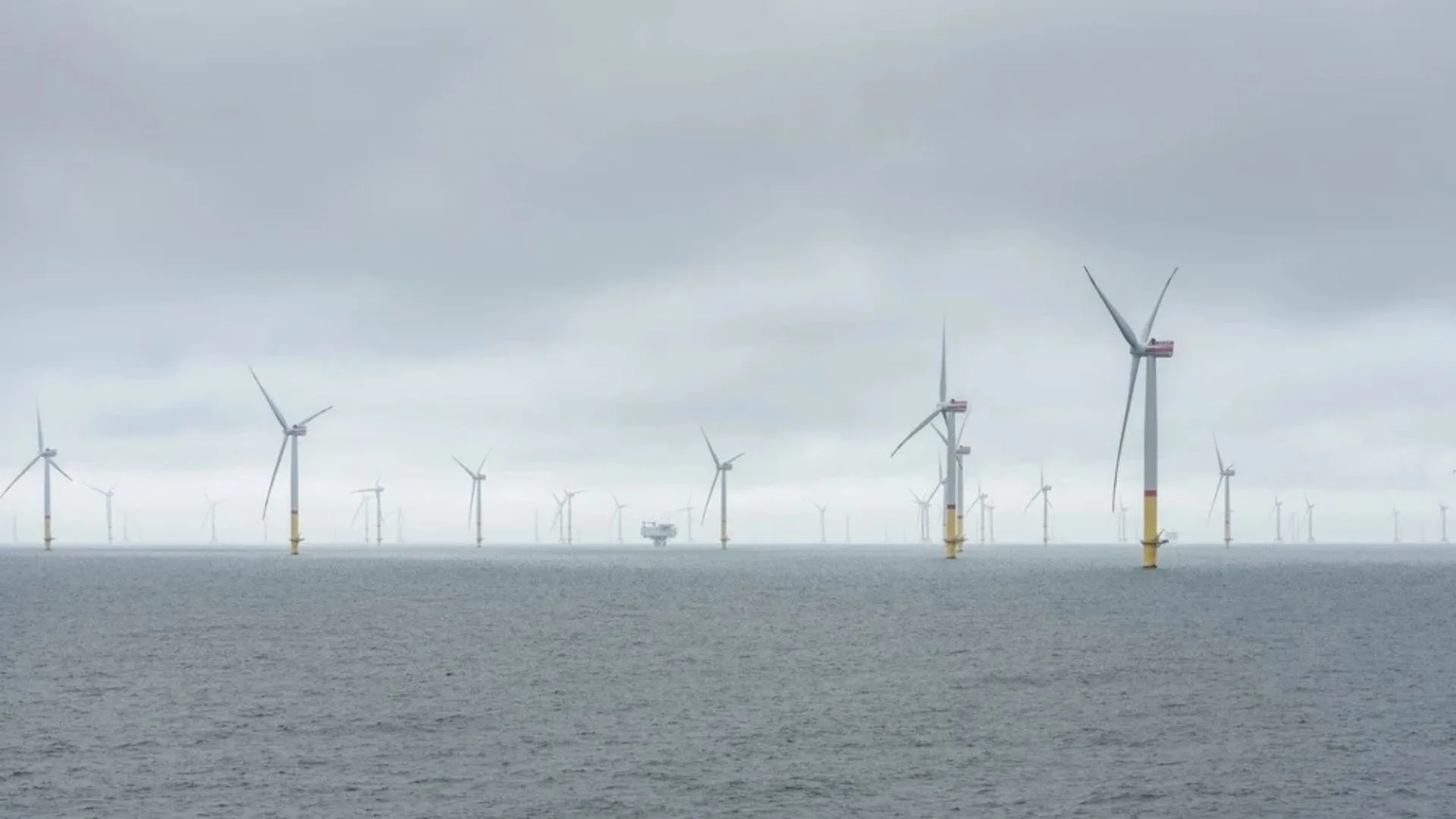
Because the diversification thesis stopped paying. aventron entered Norway in 2014 explicitly to spread generation across countries and technologies, and reinforced that with the Nordic Power merger in 2021. Chief executive Eric Wagner has framed the reversal around critical scale per country and proximity to Switzerland, where the majority of shareholders with a public service obligation are based, concluding that focus outweighs the benefits of geographic and regulatory spread. The commercial trigger is Norwegian power prices, which the company describes as persistently low and expected to remain so given the political framework. Norway generates the overwhelming majority of its electricity from hydro and is structurally long on power, so a merchant hydro fleet there earns less than the same capital deployed in a market that is short. The wind farms went last year; this completes the exit.
What does the deal signal for European generation?
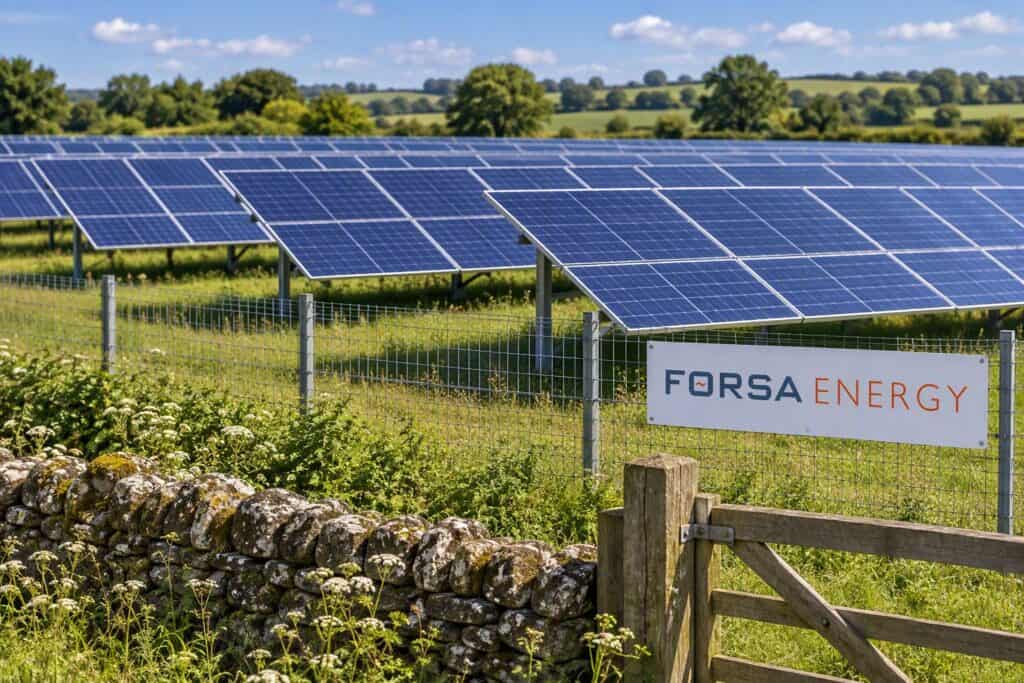
The deal signals that geographic diversification is being unwound where it was never matched by operational scale. Holding 143 MW across 42 plants in a country where you have no other business is a portfolio position, not an operating platform, and it competes for management attention with markets where the same company is building. aventron's named Swiss pipeline of the 8.1 MW Sidenplangg and 18.3 MW Sedrun alpine solar plants and the 25.2 MW Sur Grati wind farm totals about 51.6 MW, considerably less than what it has just sold, which underlines that this is a reallocation of attention rather than of megawatts.
The Swiss logic is the part worth watching. The company points to the energy crisis having demonstrated the value of domestic generation and reduced import dependence, and to federal initiatives accelerating solar and wind deployment. Alpine photovoltaics in particular generate strongly in winter, when Switzerland is most import-dependent and prices are highest, which is close to the opposite seasonal profile of Norwegian run-of-river hydro. Selling a long, low-priced market to fund a short, high-priced one is a coherent trade, provided the Swiss projects actually get built.
Key takeaways
- aventron sold its entire Norwegian hydropower business of 42 plants totalling 143 MW, completing a withdrawal from the country begun with the sale of its two Norwegian wind farms last year. Terms were not disclosed.
- Enerdatics records Locus Energy as the buyer, alongside Aberdeen Standard Investments on the sell side, neither of which the announcement names.
- Enerdatics logs four Locus Energy acquisitions of Norwegian hydro, the previous three ranging from unspecified to 3.6 MW, making this roughly forty times its largest recorded prior purchase.
- The fleet averages roughly 3.4 MW a plant, and aventron's position was built from 2014 and enlarged by the 2021 merger with Nordic Power, a 15-plant portfolio owned by Aberdeen.
- Only one operating Norwegian hydro transaction in Enerdatics' records since 2023 carries a disclosed value, Sognekraft's 77 MW purchase from Lundin Energy at $0.74 million per MW.
Frequently asked questions
How much did the Norwegian hydropower business sell for?Terms were not disclosed. Norwegian hydro pricing is largely unobservable, with only one operating hydro transaction in Enerdatics' records since 2023 carrying a value: Sognekraft's purchase of 77 MW from Lundin Energy at $0.74 million per MW in April 2024. Applied to 143 MW that would indicate roughly $106 million, from a single comparable.
Who bought aventron's Norwegian hydropower assets?The announcement does not name a buyer. Enerdatics records the acquirer as Locus Energy, with Aberdeen Standard Investments alongside aventron on the sell side, reflecting the ownership structure created by the 2021 Nordic Power merger.
Why is aventron leaving Norway?The company cites persistently low Norwegian electricity prices, expected to remain low given the political framework, and a strategic decision to concentrate on markets close to Switzerland where the majority of its shareholders with public service obligations are based. It will focus on Switzerland, Germany, France, Italy and Spain.
Ready to get deal-ready answers in seconds? Try Enerdatics Leap AI and access verified intelligence across M&A, financings, PPAs, projects, and energy market developments through natural language.