.png)
German solar M&A is shifting toward newly operational assets that combine immediate generation, secured offtake and limited construction risk. Tion Renewables’ acquisition of the 69 MWp Schwarzholz agrivoltaic park from FEFA Projekt GmbH demonstrates how infrastructure-backed independent power producers are prioritizing contracted operating projects over exposure to longer development timelines. The commercial value lies not only in the asset’s capacity, but in its February 2026 commissioning, long-term power purchase agreement and ability to contribute predictable cash flows from the point of acquisition.
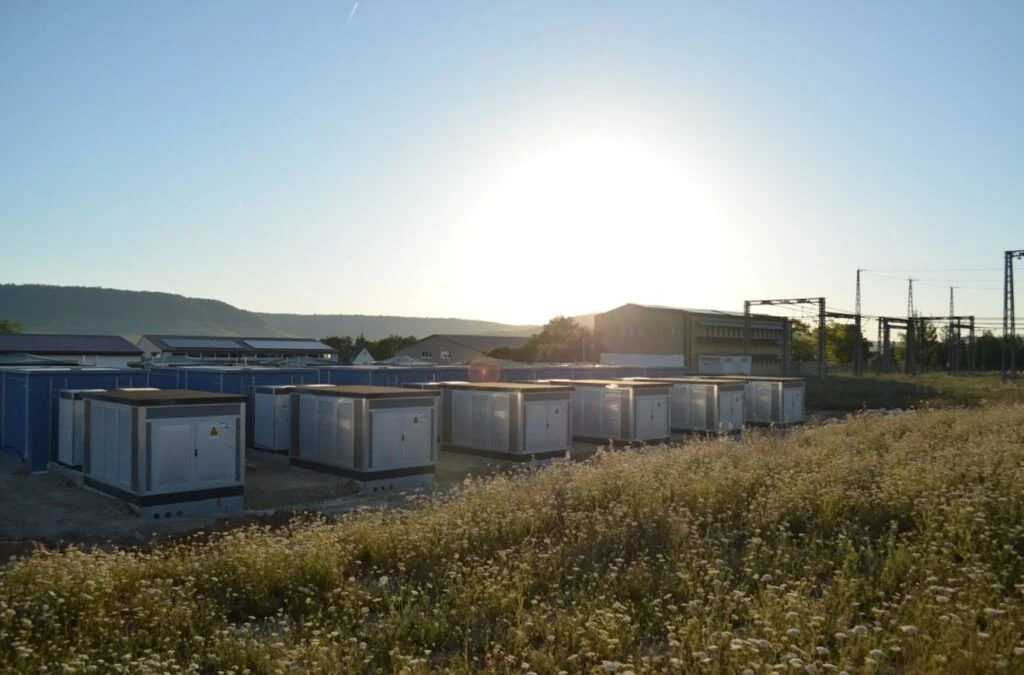
The project is located in Schwarzholz, Saxony-Anhalt, and is expected to generate approximately 87 GWh of electricity annually, equivalent to the consumption of around 25,000 households. FEFA developed the project from its initial concept through construction and commercial operation before selling it to Tion, creating a full-cycle developer-to-long-term-owner transaction.
For Tion, the acquisition expands an operating renewables portfolio that now totals 887 MW across selected European markets. The company, backed by EQT Active Core European Infrastructure, operates as a digitally driven independent power producer across solar PV, onshore wind and battery storage. Its acquisition strategy focuses on assets supported by PPAs or guaranteed tariffs, making Schwarzholz closely aligned with its preference for predictable revenue and operational optimization.
The transaction shows that buyers are not simply acquiring German solar capacity. They are paying for development risk that has already been removed.
Schwarzholz was acquired after reaching commercial operation, eliminating exposure to construction completion, equipment delivery, permitting execution and commissioning delays. The long-term PPA further reduces merchant-price exposure by establishing contractually supported revenues. Together, these attributes give Tion clearer visibility over debt service, operating distributions and portfolio-level returns than would be available through an early-stage or ready-to-build acquisition.
This risk allocation is becoming increasingly important in Germany. Enerdatics’ European M&A analysis found that investors have been moving away from early-stage portfolios and toward ready-to-build and operational projects as grid congestion, permitting delays and financing discipline increase execution risk. Across Europe, operational utility-scale solar assets traded between approximately $0.8 million and $1.7 million per MW during the period reviewed, with selected assets reaching as high as $2.3 million per MW. German ready-to-build solar projects also attracted developer premiums of approximately $90,000–$170,000 per MW when supported by full permits, secured grid access and near-term construction readiness.
Although the purchase price for Schwarzholz was not disclosed, the asset contains several characteristics normally associated with the stronger end of solar valuation ranges: commercial operation, grid connection, contracted revenue and a completed development process. The transaction therefore represents more than a transfer of generating capacity. It transfers an operating cash-flow stream with significantly less residual execution risk than a development-stage project.
The agrivoltaic structure provides an additional strategic advantage. The project allows electricity generation to coexist with continued agricultural activity, strengthening land-use efficiency and potentially reducing the conflict between renewable deployment and farming. For buyers, this can support long-term site stability and local acceptance. For developers, it creates a differentiated route for bringing larger solar projects through land and stakeholder processes in regions where conventional utility-scale development may face greater resistance.
FEFA’s role also illustrates how regional developers can monetize value without building a permanent IPP balance sheet. The family-owned company developed, constructed and operated the asset before transferring ownership to an institutionally backed operator. This approach allows FEFA to realize the value created through land origination, permitting, project design, construction execution and commissioning while retaining capital for future wind and agri-PV developments in the Altmark region.
The seller’s continued relationship with Tion is commercially significant. Tion described FEFA as a highly qualified business partner and indicated that the companies expect to continue working together. Such relationships can support repeat transactions in which the local developer originates and delivers projects while the larger IPP provides acquisition capital and long-term ownership. Sellers that can demonstrate repeatable execution and remain involved through technical services, operations or future development may secure stronger buyer confidence than developers offering isolated projects without downstream capabilities.
For Tion, the deal adds a relatively large single solar asset to an established European portfolio without introducing a lengthy construction period. The project’s 69 MWp capacity represents close to 8% of Tion’s reported 887 MW operating portfolio, making the acquisition meaningful enough to improve scale while remaining manageable within the company’s existing operating platform.
The transaction also reinforces EQT-backed Tion’s position as a consolidator of de-risked European renewable assets. Infrastructure investors increasingly favor platforms capable of acquiring operating projects, centralizing asset management and improving performance across larger portfolios. Tion can apply its digital operating model, financing relationships and power-market capabilities across the Schwarzholz asset while benefiting from revenue visibility established before closing.
The pressure is now increasing on developers holding projects without secure grid access, construction readiness or credible offtake. As buyers allocate more capital to operational and contracted assets, early-stage sellers may face deferred payments, milestone-based consideration or lower upfront valuations. Developers able to deliver projects through commissioning will be positioned to capture a larger share of the project value, but they must also carry more construction capital and execution risk before exit.
The forward-looking signal is that German solar M&A will increasingly reward assets that combine operational readiness with revenue protection. Agri-PV projects can attract particular interest where they offer scale, strong local development credentials and reduced land-use friction. Tion’s acquisition of Schwarzholz shows the type of asset institutional capital is prepared to own: recently commissioned, contract-backed, professionally delivered and capable of contributing cash flow immediately after closing.
Ready to get deal-ready answers in seconds? Try Enerdatics Leap AI and access verified intelligence across M&A, financings, PPAs, projects, and energy market developments through natural language.