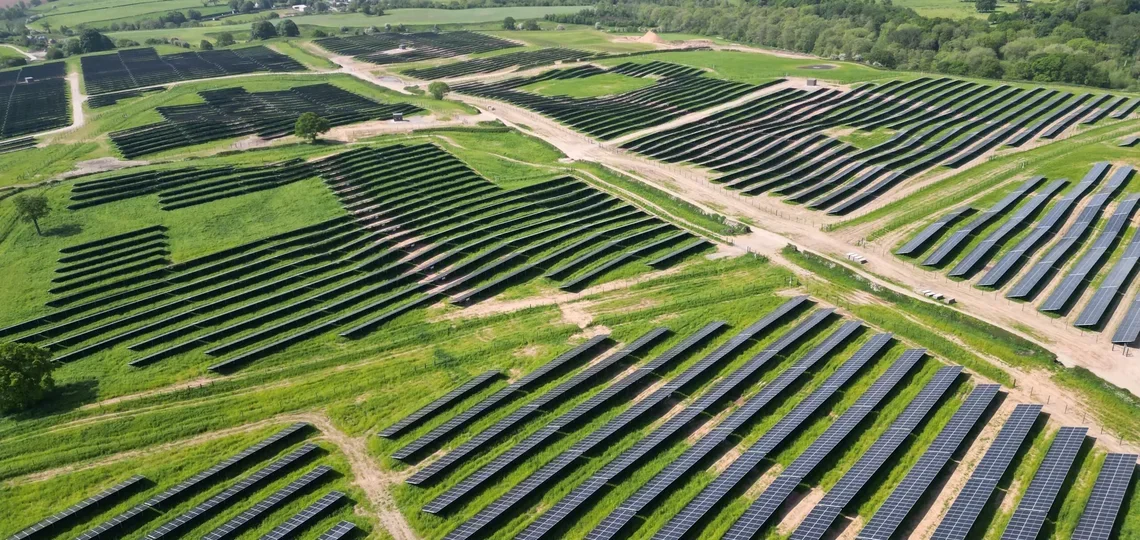
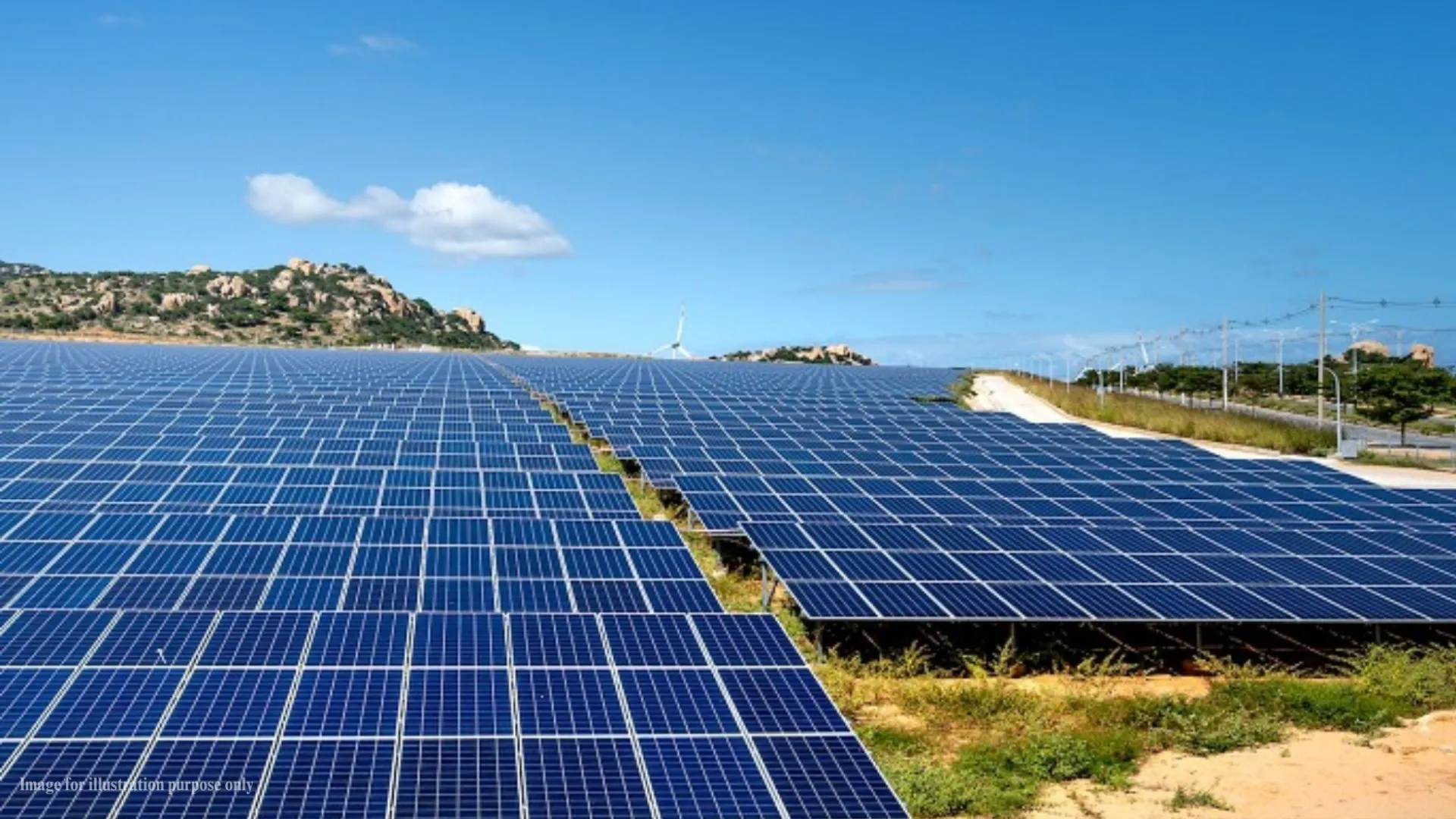
BlackRock has put another $78 million into Brite Energy Partners, a South Korean solar power producer. It is the latest step in a relationship that began in 2021 with a plan to fund 350 MW of small solar farms. The new money is meant to take Brite past 1 GW. Leap describes it as BlackRock's fourth investment, but only three of the four carry a record of their own.
Key takeaways
- Brite Energy Partners announced on 18 July 2024 that it had received an investment of about $78 million from BlackRock's Climate Infrastructure fund.
- The July 2024 Brite Energy Partners investment is described as BlackRock's fourth, following a first investment of more than $100 million in August 2021 and an additional $133 million in December 2022.
- Brite Energy Partners will use BlackRock's 2024 investment to expand its solar portfolio to over 1 GW, grow its EV fast-charging network and secure battery energy storage systems.
- Brite Energy Partners operates more than 300 solar plants in South Korea and in 2023 signed 20-year contracts to supply 135 GWh of renewable energy a year to domestic companies.
- Enerdatics records 29 M&A transactions in South Korea announced in 2023 and 2024, of which only two are investments in solar platforms: BlackRock's in Brite Energy Partners and Actis' $100 million purchase of Argo Energy.
How did BlackRock's relationship with Brite begin?
It began as a construction programme. In August 2021, Enerdatics understands that BlackRock Real Assets agreed to buy an equity stake in Brite Energy Partners, investing more than $100 million. The money was to fund Brite's acquisition and construction of small-scale solar assets in South Korea totalling more than 350 MW.
The revenue model was set from the start. All of the projects were planned to be fully contracted under 20-year agreements with subsidiaries of Korea Electric Power, the state-owned utility known as Kepco. Long-term contracts with state-owned buyers are what make a portfolio of small solar farms financeable, because they turn many small, uncertain revenue streams into one predictable one.
It was BlackRock's first investment in Korean solar. Leap records that it came from BlackRock's $4.8 billion Global Renewable Power fund, more than a third of which was allocated to climate infrastructure in the Asia-Pacific region.
Timeline: how did the investment grow from 2021 to 2024?
August 2021. BlackRock commits more than $100 million to fund more than 350 MW of small-scale Korean solar.
December 2022. BlackRock invests an additional $133 million. Leap's record of that deal calls it the second investment. By then Brite operated more than 100 fully owned solar sites and had launched Water, an electric vehicle fast-charging network, with its first store in Gwanghwamun, Seoul. It aimed to build more than 100 fast-charging stations by 2025, and had received around $259 million in funds over the previous three years.
2023. Brite signs 20-year contracts to supply 135 GWh of renewable energy a year to several domestic companies. These are corporate buyers, a step beyond the utility contracts that underpinned the original plan.
July 2024. BlackRock invests about $78 million through its Climate Infrastructure fund. Brite now operates more than 300 solar plants.
The records leave one gap. The 2024 investment is described as the fourth, but Leap's 2022 record calls the December 2022 deal the second. That implies a third investment between the two that does not appear as a separate record. The three disclosed amounts total $311 million.
What has changed in what BlackRock is paying for?
The business has widened from solar farms into a broader energy platform. The 2021 money was for building solar. The 2024 money is for three things: growing solar past 1 GW, expanding EV fast charging, and securing battery energy storage.
Revenue has widened too. Brite still sells power to Korea's state-owned generators. Leap records individual projects selling to Korea South Power, Korea Western Power, Korea East-West Power and Korea Southern Power, as well as GS Donghae Electric Power. But Brite also sells Renewable Energy Certificates from its 300 plants to companies that want to buy renewable energy. A Renewable Energy Certificate, or REC, is a tradeable proof that a unit of electricity came from a renewable source.
That shift matters for how the platform is valued. A company selling only to utilities is a contracted infrastructure asset. One that also sells certificates and charging services carries some of the growth, and some of the risk, of a consumer-facing business.
Enerdatics' data shows how thin South Korean solar M&A is. Leap records 29 M&A transactions in South Korea announced in 2023 and 2024. Twenty-two of them are joint ventures and partnerships, most of them in offshore wind and hydrogen. Only two are investments in solar platforms. One is BlackRock's in Brite. The other is Actis' $100 million purchase of Argo Energy, a platform recorded at 110 MW.
What does the deal signal for South Korean solar?
It signals that the market rewards patient capital more than new entrants. With only two solar platform deals in two years, the main route into Korean solar has been to back an existing operator repeatedly. BlackRock's four rounds into one company is the clearest example in the record.
The other route is to buy a younger platform and build it out, which is what Actis did. That deal is covered in Actis' Korean solar platform. The two approaches mark the ends of the market: one buying scale already assembled from hundreds of small plants, the other paying for a pipeline still to be built.
The fund behind the 2024 investment also matters. BlackRock's Climate Infrastructure business has made larger, more structured bets elsewhere, such as its preferred equity investment in Recurrent Energy. Brite's 2024 round has no stake size or valuation in the record, so how much of the company BlackRock now owns remains undisclosed.
Frequently asked questions
How much has BlackRock invested in Brite Energy Partners?Leap records three BlackRock investments with disclosed amounts: more than $100 million in August 2021, $133 million in December 2022 and about $78 million in July 2024, a total of $311 million. The 2024 investment is described as the fourth.
What will Brite Energy Partners do with the 2024 investment?Brite plans to expand its solar portfolio to over 1 GW, grow its EV fast-charging network and secure battery energy storage systems. The investment came from BlackRock's Climate Infrastructure fund.
Who buys power from Brite Energy Partners?Brite's projects sell power to state-owned Korean generators, including Korea South Power, Korea Western Power, Korea East-West Power and Korea Southern Power. In 2023 it also signed 20-year contracts to supply 135 GWh a year to domestic companies, and it sells Renewable Energy Certificates.
Ready to get deal-ready answers in seconds? Try Enerdatics Leap AI and access verified intelligence across M&A, financings, PPAs, projects, and energy market developments through natural language.