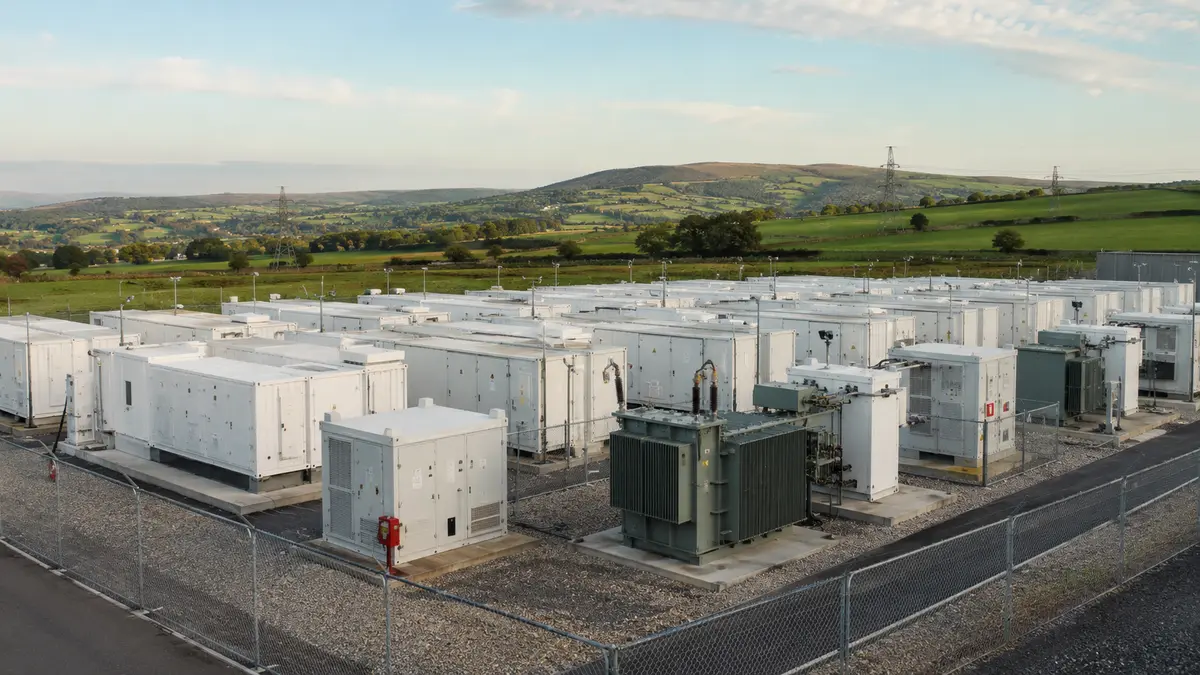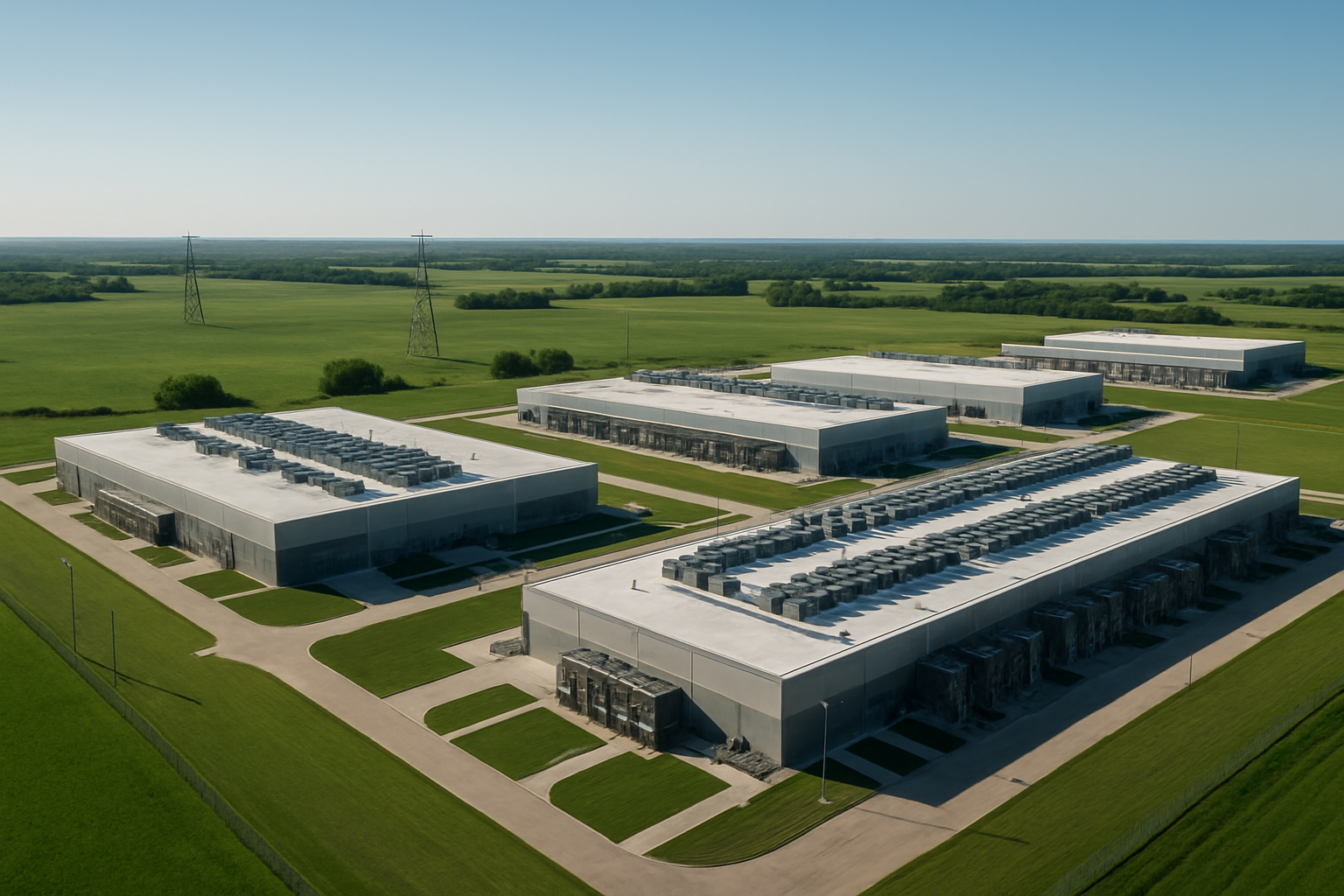
What does it take to fuel the world’s AI boom? For Google, the answer is a $9 billion expansion of its data center footprint in Oklahoma. This isn’t just about adding server racks—it’s a calculated move to capture U.S. incentives, secure cheap power, and build the compute backbone needed to lead in generative AI. With Alphabet’s 2025 capital expenditure soaring to $85 billion, the Oklahoma investment marks a turning point in how Big Tech aligns infrastructure with policy, competition, and long-term AI demand.
The scale of AI adoption has pushed hyperscale cloud providers into an arms race for compute. Google Cloud, lagging slightly behind Amazon and Microsoft, is racing to expand low-cost, high-volume infrastructure. Oklahoma offers the perfect combination: affordable power, abundant land, and strategic proximity to the Midwest, which reduces latency for enterprise clients. By locking in long-term efficiency gains, Google ensures that its AI workloads—from training large language models to powering enterprise AI tools—run at lower cost and higher reliability. The timing coincides with Alphabet’s record $85 billion capex program, underwritten by oversubscribed bond sales, highlighting deep investor confidence in AI-led growth.
Locating in Oklahoma is about more than geography—it’s about capturing a favorable policy environment. The project benefits from tax abatements and payment-in-lieu-of-taxes (PILOT) agreements, lowering upfront costs while channeling revenue back to schools and local services. With over $1.2 million expected annually for education once the two data center phases are operational, the project blends corporate efficiency with community benefit. At a national level, it reinforces federal priorities around onshoring and reducing reliance on imported chips, aligning Google with Washington’s push to secure critical AI infrastructure within U.S. borders.
The ripple effects extend well beyond Google’s balance sheet. Oklahoma’s state and local governments gain new revenue streams and workforce development opportunities, while utilities secure a high-volume, long-term customer. Local construction and training programs expand employment opportunities in skilled trades, reinforcing community impact. For bondholders, the investment provides stable returns tied to Alphabet’s long-term growth thesis, while shareholders benefit from the strategic resilience of U.S.-based compute. Ultimately, this move positions Google to hedge against competitive risk, enhance shareholder value, and lock in leadership as AI workloads continue to scale.
Google’s $9 billion Oklahoma investment is more than just another data center project—it’s a blueprint for how Big Tech integrates AI expansion with regulatory incentives, community development, and investor alignment. By anchoring critical AI infrastructure in the U.S. heartland, Google isn’t just meeting today’s demand—it’s securing tomorrow’s competitive edge. The question now is whether rivals will keep pace in a market where infrastructure scale defines AI leadership.


.jpeg)