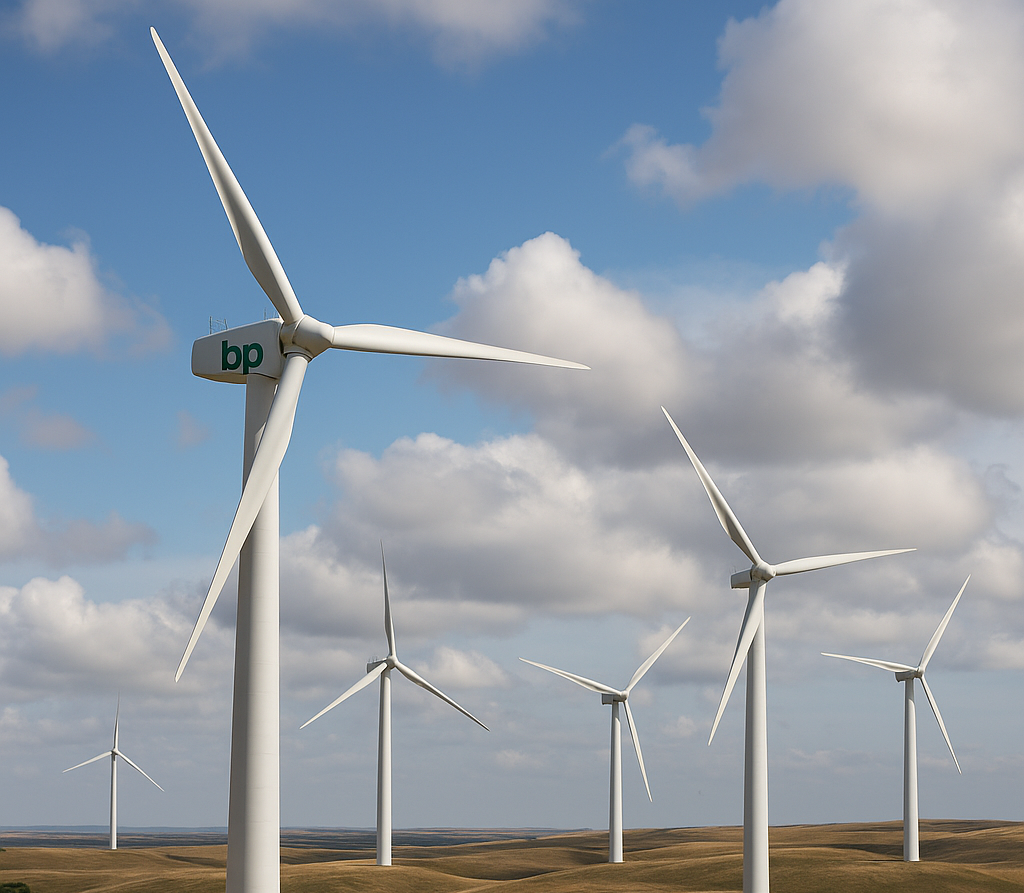
What does it mean when a major energy player like BP pulls back from wind power while a private equity-backed firm rushes in to claim the assets? It signals more than just a business transaction—it reflects the shifting tides of the global energy transition. In a move that has surprised many industry watchers, BP has agreed to sell a 77.9% stake in its 1.66 GW U.S. onshore wind portfolio to LS Power. This blog dives into why BP is changing course and how LS Power is positioning itself for the future of clean energy infrastructure.
BP’s Strategic Shift: Leaner, Focused, and Capital-Light
Facing tepid returns and intensifying pressure from activist investors like Elliott Management, BP is making bold changes to its energy transition game plan. The $20 billion divestment program it announced in early 2025 aims to streamline operations and free up capital. This wind asset sale—part of that broader push—aligns with BP’s new focus on capital-light transition plays such as EV charging and solar partnerships through Lightsource BP. By reducing annual spending on renewables and concentrating on cash-generating oil and gas assets, BP is prioritizing shareholder value and financial agility over a capital-heavy renewable expansion.
LS Power’s Windfall: Scaling Clearlight Energy to 4.3 GW
For LS Power, the acquisition is a strategic jackpot. The 10-asset wind portfolio spans seven U.S. states, with long-term PPAs and a weighted average asset age of 13.6 years. This gives LS Power predictable revenue streams and geographic diversification through its Clearlight Energy platform. Importantly, the deal brings over an experienced operations and maintenance team, boosting LS Power’s ability to manage complex, multi-state energy systems. It’s also a clear statement: private capital is stepping in where oil majors are stepping back, signaling a new phase of renewable asset ownership.
What This Means for the Energy Transition
This transaction underlines a broader industry reality: capital discipline is back in vogue, and big energy is getting more selective. For companies like LS Power, the exit of traditional oil giants presents a golden opportunity to absorb de-risked renewable assets and scale clean energy operations. The deal offers key takeaways for other players: secure long-term PPAs, maintain operational expertise, and look for strategic acquisitions that offer both scale and stability. As BP repositions for agility, LS Power doubles down on operational scale—proving there’s more than one way to ride the energy transition wave.
Conclusion:
BP’s divestment and LS Power’s acquisition mark a pivotal moment in the evolution of renewable energy investment. It highlights how the dynamics of capital, strategy, and sustainability are shaping the future of the power sector. Want to stay on top of the latest energy trends and insights like this? Subscribe to our newsletter and explore more on our blog.


.jpeg)