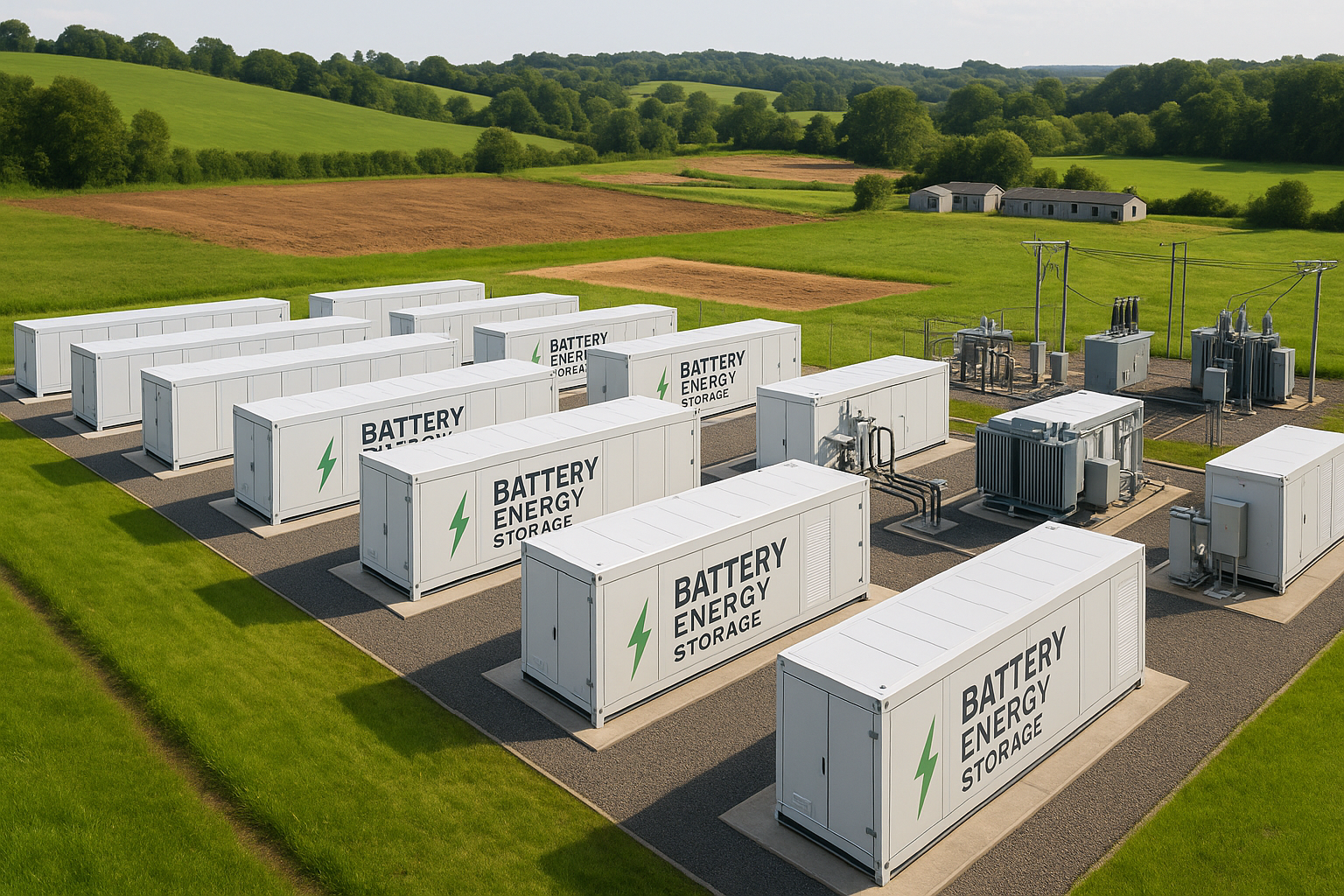
In a transformative move for the UK's energy sector, Pulse Clean Energy has landed a monumental £220 million green loan from a powerhouse consortium of six banks. This isn't just another funding round—it signals a profound evolution in how the UK's battery storage market is financed. As state-backed support phases out, private capital is taking center stage, marking a pivotal shift toward a more commercially viable and scalable energy future. In this blog, we explore what makes this financing different, why it matters now, and how it’s shaping the next era of energy transition in the UK.
The Shift from Public Support to Private Capital Confidence
For years, government incentives catalyzed growth in the UK battery storage market. But as technology matures and revenue models stabilize, we’re seeing a changing of the guard. Pulse Clean Energy’s £220M deal—underwritten by commercial heavyweights like Santander, NatWest, and CIBC—demonstrates growing private sector confidence. The transition is being driven by new revenue mechanisms such as energy trading and participation in the Balancing Mechanism, which have gained momentum thanks to National Grid ESO’s innovations like the Open Balancing Platform. These changes lower risk and increase transparency, encouraging private lenders to back large-scale energy storage projects without relying on subsidies or pilot guarantees.
Infrastructure Meets Innovation in Pulse’s Strategic Blueprint
What sets Pulse apart is its dual focus on greenfield development and the conversion of legacy diesel generators into battery assets. This strategy not only accelerates project delivery but also aligns with the UK’s 2035 grid decarbonization roadmap. With £220M in fresh funding, Pulse aims to bring 700 MWh online in time for the 2027 Capacity Market—a clear sign of long-term planning. Institutional equity backing from IMCO and a portfolio of de-risked sites offer additional credibility, making Pulse a bankable bet in a competitive landscape. As Pulse heads toward its 1 GWh milestone, it positions itself as a key player in multi-service grid contracts and evolving energy market dynamics.
What This Means for the Market and How Others Can Follow
The structure of this deal isn’t just a one-off—it’s a template for the future. Banks involved in the financing each have strategic takeaways: Santander secures a leading role in transition finance, NatWest strengthens its clean infrastructure portfolio, and CIBC deepens relationships with Canadian investors like IMCO. With the UK battery storage market expected to attract over £30B annually by the mid-2030s, this deal signals the start of standardized, scalable lending frameworks. Developers looking to attract similar funding must focus on clear revenue streams, credible offtake models, and operational readiness—all elements Pulse has demonstrated effectively.
As the UK presses forward toward its net-zero ambitions, Pulse Clean Energy’s green loan shows that the private sector is ready, willing, and able to lead. With replicable structures and maturing market dynamics, this could be just the beginning of a golden era for battery storage finance.
Ready to explore how your project can plug into the future of energy storage finance? Dive deeper into our latest insights or subscribe to our newsletter for expert analysis and opportunities in the evolving energy landscape.