.png)
What happens when three major public finance institutions join forces to back one of the UK’s most innovative renewable energy projects? A powerful signal is sent—one that reinforces confidence in floating offshore wind and accelerates the nation’s transition toward clean, secure energy. The recent entry of the National Wealth Fund, Great British Energy, and the Scottish National Investment Bank into Scotland’s Pentland floating offshore wind farm marks a defining moment for the country’s renewable ambitions. Here’s how this landmark investment is shaping the future of offshore wind and strengthening the UK’s energy leadership.
The trio of public investors has collectively taken minority stakes in the Pentland floating offshore wind farm, each with the option to commit up to $65.75 million (£50 million) as the project progresses. Though the total deal value remains undisclosed, the significance lies in the collaboration itself. Their involvement underscores a national push to support early-stage renewable technologies that require patient capital and policy-aligned financing. This investment not only enhances energy security but is expected to create and sustain more than 1,000 jobs, ensuring that the benefits of the energy transition are felt across Scottish communities.
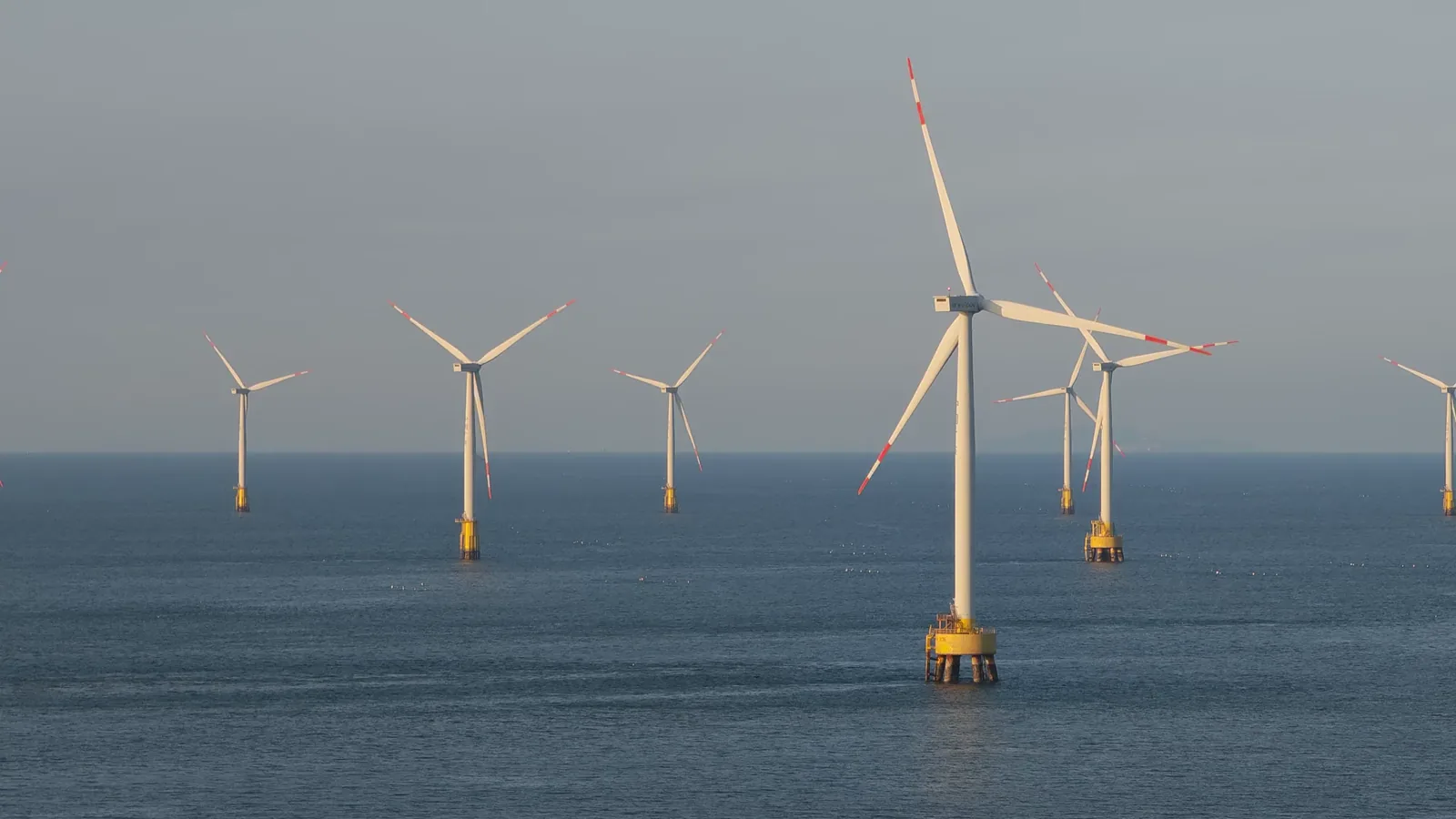
Developed by Highland Wind Limited—majority-owned by a fund managed by Copenhagen Infrastructure Partners—the Pentland project brings together global expertise from CIP, Hexicon AB, Eurus Energy UK, and now several UK-backed financial institutions. With development led by Copenhagen Offshore Partners from its Global Floating Excellence Centre in Edinburgh, the 100 MW project will sit off the Caithness coast and is designed to power approximately 70,000 homes. Its innovative floating substructures, offshore turbines, advanced mooring systems, and updated layout reflect a refined approach approved by Scottish Ministers. By reducing the number of turbines while maintaining output, the project demonstrates an efficiency-focused blueprint for the next generation of floating wind.
The Pentland wind farm plays a pivotal role in strengthening Scotland’s floating wind supply chain, particularly as floating technology could unlock access to 60% of the UK’s offshore wind pipeline. As engineering firms shift expertise from oil and gas into renewables, projects like Pentland help steer that transition. Although the project did not secure a Contract for Difference during AR6 in September 2024, developers are poised to participate in future rounds—an essential step toward bringing this 25-year project to full commercial operation.
The partnership backing the Pentland floating offshore wind farm is more than an investment—it’s a commitment to positioning the UK as a renewable-energy superpower. With public institutions leading the charge, the floating wind sector is gaining momentum that will ripple through supply chains, employment, and long-term energy resilience.
Want to stay updated on the latest renewable energy deals and strategies shaping the future of power?
Explore our latest insights, project updates, and more at Enerdatics.
Don’t forget to subscribe to our newsletter for real-time updates.