
Latin America Renewable Energy M&A Shifts to Scale in Brazil and Storage in Chile

Geothermal energy is emerging as a stable and scalable renewable energy source, offering consistent power generation compared to intermittent sources like solar and wind.
This analysis explores the growing role of geothermal projects in the global energy transition.
Latin America renewable energy M&A is diverging across key markets, with Brazil seeing consolidation into GW-scale platforms while Chile’s deal flow shifts away from solar and wind toward battery storage. In Brazil, large transactions such as GIP’s $1.2B stake in Aliança Energia and Iberdrola’s $4.7B investment in Neoenergia highlight investor focus on integrated platforms with operational assets and contracted portfolios.
The shift is clear: buyers are no longer chasing fragmented assets or pure generation exposure. In Brazil, acquirers such as Auren Energia, Vibra Energia, and I Squared Capital are targeting developers like Comerc Energia and AES Brasil for their GW-scale pipelines, PPAs, and operating portfolios. Scale and revenue visibility are now commanding premiums, while smaller developers face weaker demand.
Chile is moving in the opposite direction—not toward scale, but toward flexibility. Solar and wind M&A activity has slowed sharply as transmission bottlenecks, oversupply, and negative pricing erode returns. These constraints are making standalone generation harder to finance and trade.
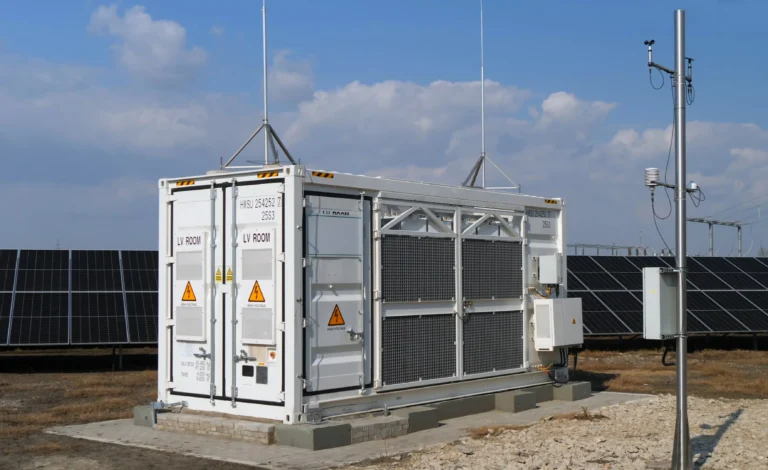
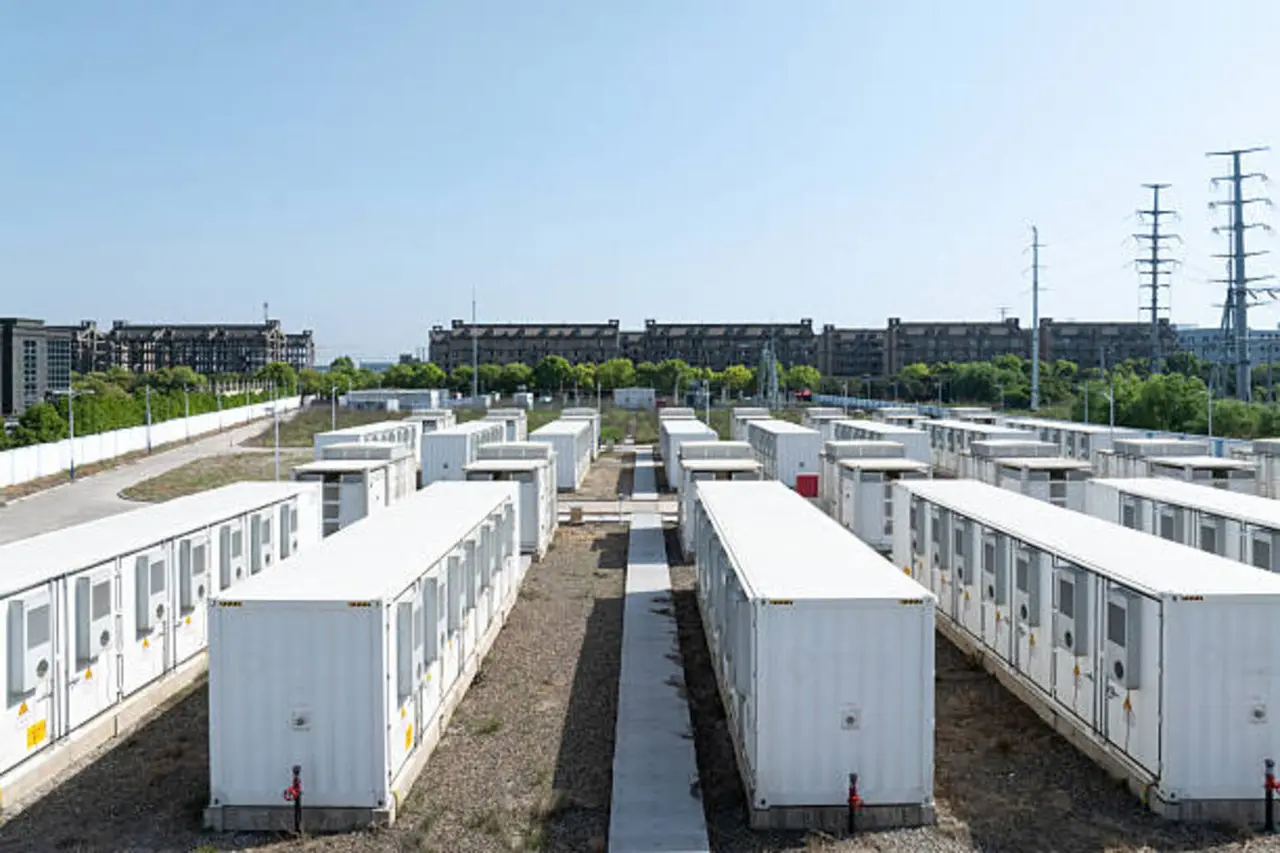
Instead, storage is emerging as the new focus. Investors are pivoting to BESS assets that can capture arbitrage opportunities and mitigate curtailment risks. Transactions like SUSI Partners’ 860 MW acquisition reflect growing confidence in storage as a core asset class rather than an add-on.
Deal behavior reinforces this split. Brazil continues to attract capital into large, contracted platforms, while Chile is becoming a storage-led market where flexibility matters more than capacity.
This signals a broader shift in Latin America renewable energy M&A: value is concentrating in assets that either offer scale with contracted cash flows or flexibility to navigate grid constraints—leaving traditional standalone solar and wind portfolios increasingly challenged.
.jpeg)


