Juniper’s Debt Stack Reveals How Renewable Projects Get Built Now
.png)
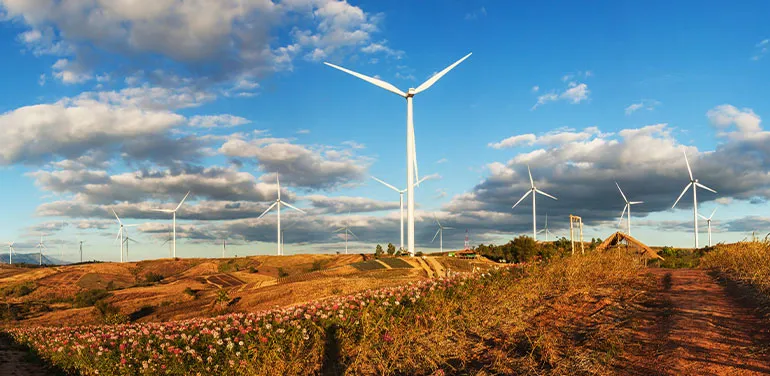
Juniper Green Energy’s $225.9 million financing round is less about scale and more about structure. The capital will fund wind and solar-wind hybrid projects across Gujarat and Maharashtra, backed by a diversified lender group including Na BFID, HSBC, DBS, Barclays, and A seem Infrastructure Finance. What stands out is not the amount raised, but how it was raised.
The insight is clear: liquidity, not leverage, is now the constraint in renewable project execution. Alongside long-term project debt, Juniper secured three-year medium-term loans and expanded non-fund-based limits with Axis Bank and Federal Bank. That shorter-tenor capital is not designed to optimize returns. It is there to absorb execution risk — EPC delays, grid readiness issues, and phased commissioning — without forcing equity infusions or distressed refinancing.
The asset mix reinforces this logic. The financing spans a 90 MW wind project in Gujarat under construction with COD expected in 2026, alongside operating and hybrid assets in Maharashtra. These projects face very different risk profiles, but the capital stack is built to smooth timing risk at a portfolio level rather than isolate it at each asset.
Commercially, this reflects a broader market shift. Tariffs and demand are no longer the main underwriting concern. Timing is. Developers with access to medium-term liquidity can ride through delays and protect equity returns. Those without it are exposed, regardless of headline MWs or PPAs.
Juniper’s financing is conservative by design. That is precisely why it matters. The market is now rewarding certainty of delivery over aggressive leverage, and capital structures are adapting accordingly.
Want to stay updated on the latest renewable energy deals and strategies shaping the future of power?
Explore our latest insights, project updates, and more at Enerdatics.
Don’t forget to subscribe to our newsletter for real-time updates.