.png)
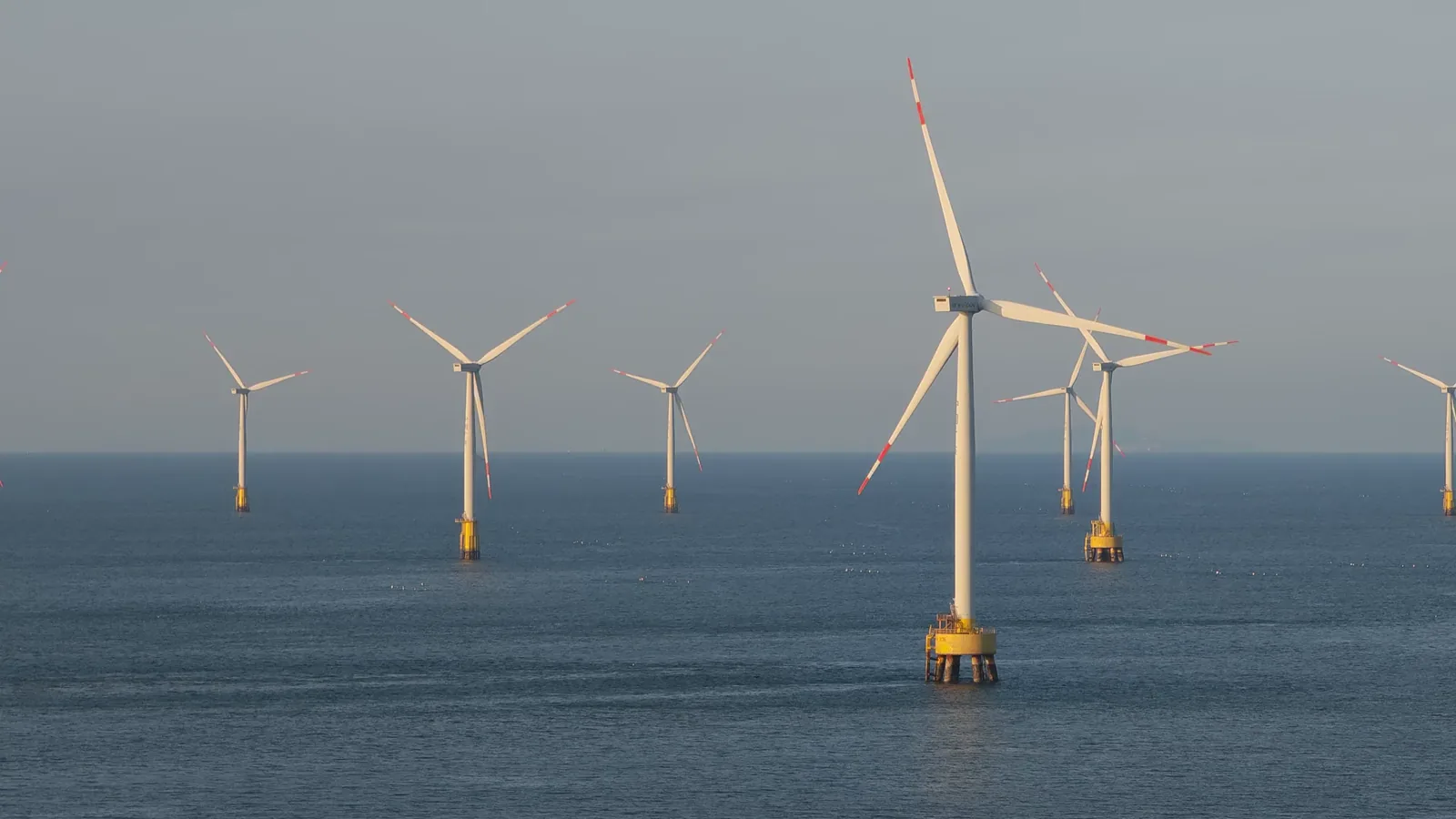
Iberdrola has secured $203.80 million from the European Investment Bank to finance the construction of two wind farms in northern Portugal. The debt is structured as a green loan, supported by a guarantee from CESCE, Spain’s export credit agency. This is the second EIB transaction for Iberdrola backed by CESCE, reinforcing lender comfort with the structure.
The key insight is simple: capital is now being priced against system flexibility, not just generation capacity. These 274 MW of wind are directly linked to the Tâmega pumped storage complex, integrating variable generation with dispatchable hydro storage in a single operating system.
This matters commercially because hybridization lowers merchant risk. By anchoring wind output to pumped storage, Iberdrola improves load-following capability and revenue stability. That risk reduction is what allows long-tenor, policy-backed lenders like the EIB to step in with scale and attractive terms.
The structure also shows how credit enhancement is being used selectively. CESCE’s guarantee does not underwrite pure development risk; it supports a proven sponsor executing against a strategically critical asset. This signals that export credit and multilateral capital are aligning around hybrid projects with clear grid value.
At a market level, this deal points to a shift. Large-scale renewables that solve intermittency are moving faster through financing queues than standalone assets. Flexibility is no longer optional—it is what unlocks capital.
Want to stay updated on the latest renewable energy deals and strategies shaping the future of power?
Explore our latest insights, project updates, and more at Enerdatics.
Don’t forget to subscribe to our newsletter for real-time updates.