Hydrogen Energy Projects Shift to Industrial-Scale Platforms with Plug Power’s Georgia Facility

Hydrogen energy projects are moving toward industrial-scale, demand-linked platforms, highlighted by Plug Power’s new hydrogen production facility in Georgia. The project marks a shift in how developers structure investments—moving beyond standalone renewable generation toward integrated hydrogen ecosystems tied to end-use demand.
The shift is clear: investors are prioritizing projects with secured demand and infrastructure integration over speculative capacity buildout.
Plug Power’s Georgia facility reflects this model. By combining production with downstream applications, the project reduces offtake risk and improves revenue visibility—key factors that are now driving capital allocation in hydrogen markets. Investors are no longer funding isolated hydrogen production; they are backing assets embedded within broader industrial value chains.
This mirrors behavior across renewable energy markets. In Brazil, firms such as Auren Energia and Vibra Energia, alongside investors like I Squared Capital, are targeting developers like Comerc Energia and AES Brasil for their GW-scale portfolios backed by PPAs and strong pipelines. Meanwhile, asset-level activity remains concentrated in smaller 50–150 MW solar portfolios acquired by players such as Brasol, leveraging favorable net-metering frameworks.
In Chile, the shift is driven by grid constraints rather than scale. Solar and wind M&A activity has nearly collapsed due to transmission bottlenecks, overproduction, and negative pricing. These conditions have reduced the viability of standalone generation assets.
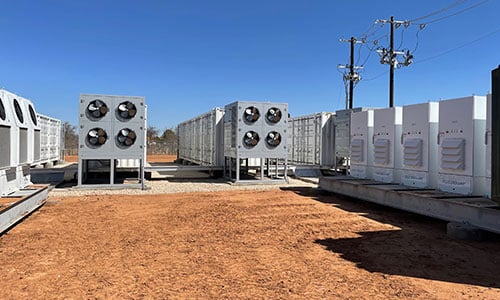
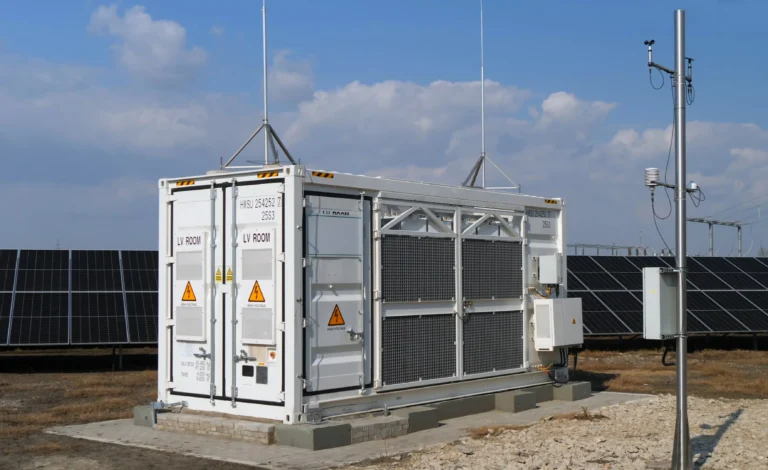
As a result, investors are pivoting toward battery storage. BESS projects offer energy arbitrage opportunities and mitigate curtailment risks, making them more attractive in constrained markets. Transactions such as SUSI Partners’ 860 MW acquisition in 2024 highlight how storage is emerging as a core investment theme.
The signal across markets is consistent: energy investments are no longer driven by capacity alone. Capital is flowing into projects that combine scale, demand linkage, and system flexibility—whether through hydrogen infrastructure in the U.S., platform consolidation in Brazil, or storage deployment in Chile.
Want to track the latest M&A, financings, PPAs, and key developments across the industry? Explore the Enerdatics Insights page.