As Germany accelerates its clean energy transition, landmark power purchase agreements (PPAs) are redefining how businesses and consumers access renewable power. ENGIE has just inked a deal with e.optimum to supply 100 GWh of wind energy for the year 2026—a move that not only reinforces Germany’s decarbonization goals but also showcases the increasing role of unsubsidised, market-driven renewable energy. Here's a closer look at what this deal means, the assets powering it, and how it’s reshaping the renewable energy marketplace in Germany.
Unlocking Clean Energy Through Corporate Demand
The PPA between ENGIE and e.optimum is more than just a transaction—it's a gateway for e.optimum's customers to access 100 GWh of sustainable, regionally generated electricity in 2026. What makes this agreement notable is that the energy will come from wind assets that no longer receive support under Germany’s Renewable Energy Sources Act (EEG). This shift toward unsubsidised power supply signals a maturing renewables market where clean energy can compete on its own merit, offering long-term price stability and ESG alignment for corporate buyers like e.optimum.
Tapping into ENGIE’s Broad Wind Portfolio Across Germany
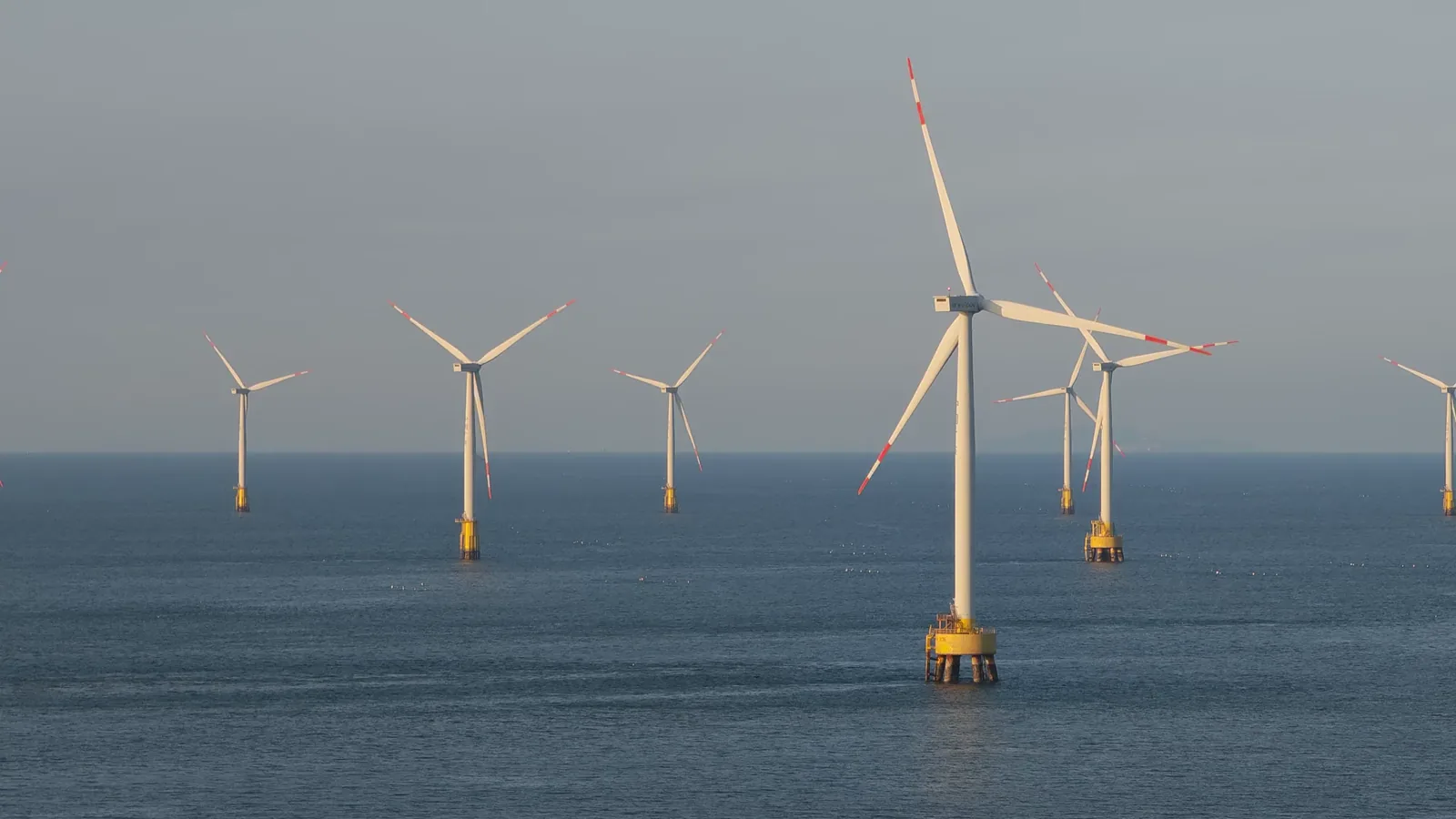
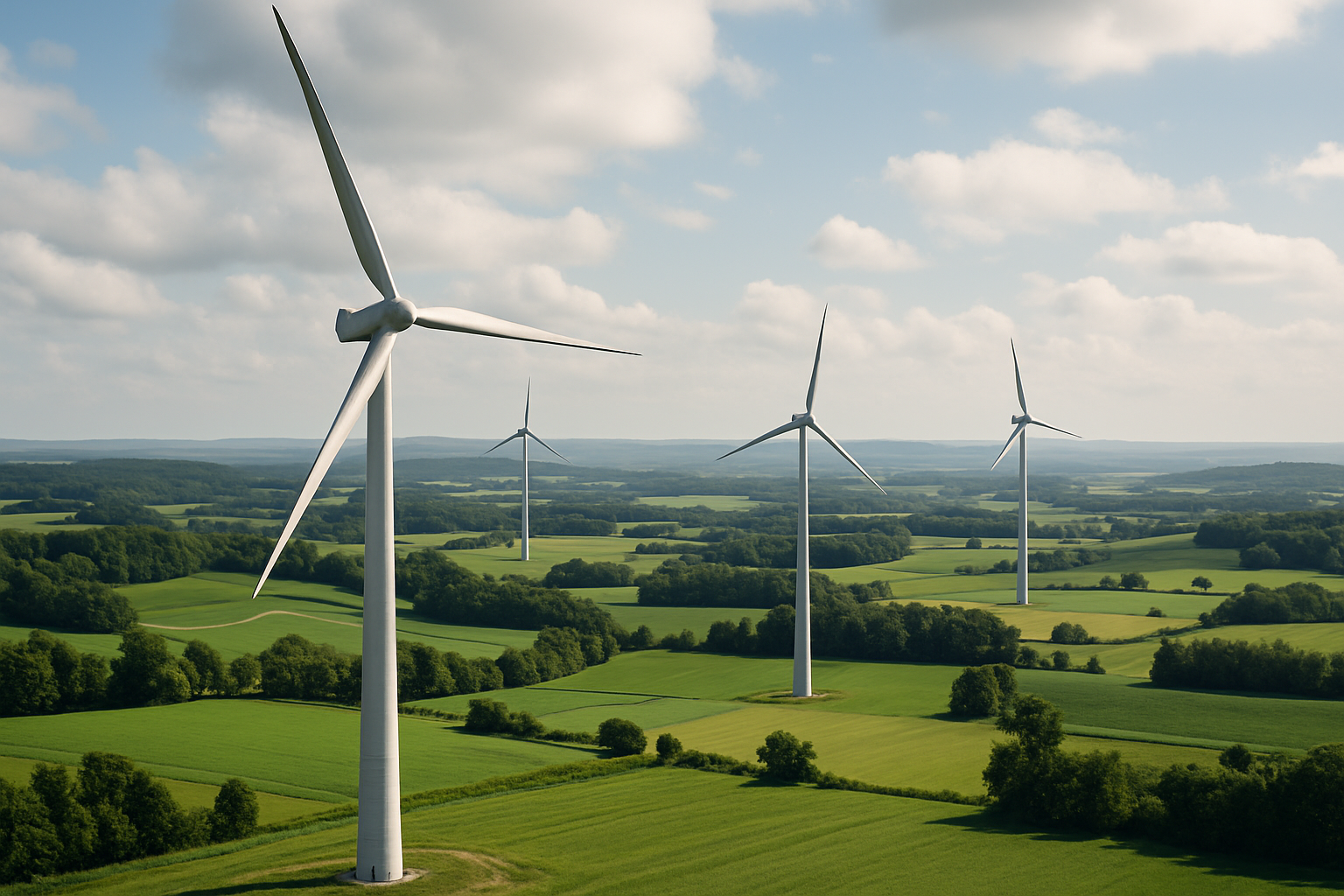
ENGIE’s wind energy fleet in Germany, comprising 16 proprietary and two third-party wind farms, serves as the backbone of this agreement. With a total installed capacity of around 250 MW, these assets are strategically distributed across the country to ensure regional production and grid resilience. By leveraging its diverse wind portfolio, ENGIE ensures reliable delivery of clean power to meet the 100 GWh commitment. The PPA also highlights the utility's ability to monetize assets beyond subsidy frameworks, extending asset life and value while supporting grid decarbonization.
Scaling Impact Beyond 2026 Through Smart Partnerships
This agreement is a model for how utility-scale renewable players and corporate consumers can collaborate in a post-subsidy landscape. It not only enables e.optimum to offer its customers reliable green energy but also sets a precedent for other firms looking to meet their climate targets through direct power sourcing. With more wind projects expected to roll off subsidy support in the coming years, PPAs like this are essential to keeping those assets profitable and productive, while allowing corporate buyers to future-proof their energy strategies.
ENGIE and e.optimum's 100 GWh PPA sets the tone for how corporate demand and mature wind assets can power Germany's energy transition without relying on subsidies. It’s a strong signal that green energy is not just sustainable—but also commercially viable in a competitive market.
Looking to explore how your business can tap into green energy PPAs? Subscribe to our insights or contact us to learn more about renewable sourcing opportunities.