In a bold stride toward Europe's hydrogen-powered future, Copenhagen Infrastructure Partners (CIP) has acquired a 70% stake in the Lubmin green hydrogen project’s first phase from H2APEX. Set against the backdrop of a former nuclear power site in Germany, this project marks a pivotal move in scaling clean hydrogen infrastructure across the continent. With a project cost scaling into hundreds of millions and direct links to the EU's core hydrogen network, the Lubmin initiative represents far more than a single investment—it’s a flagship for the energy transition. Let’s explore what makes this deal so significant, the scale of the project, and its long-term impact on the European hydrogen economy.
From Nuclear Legacy to Hydrogen Future
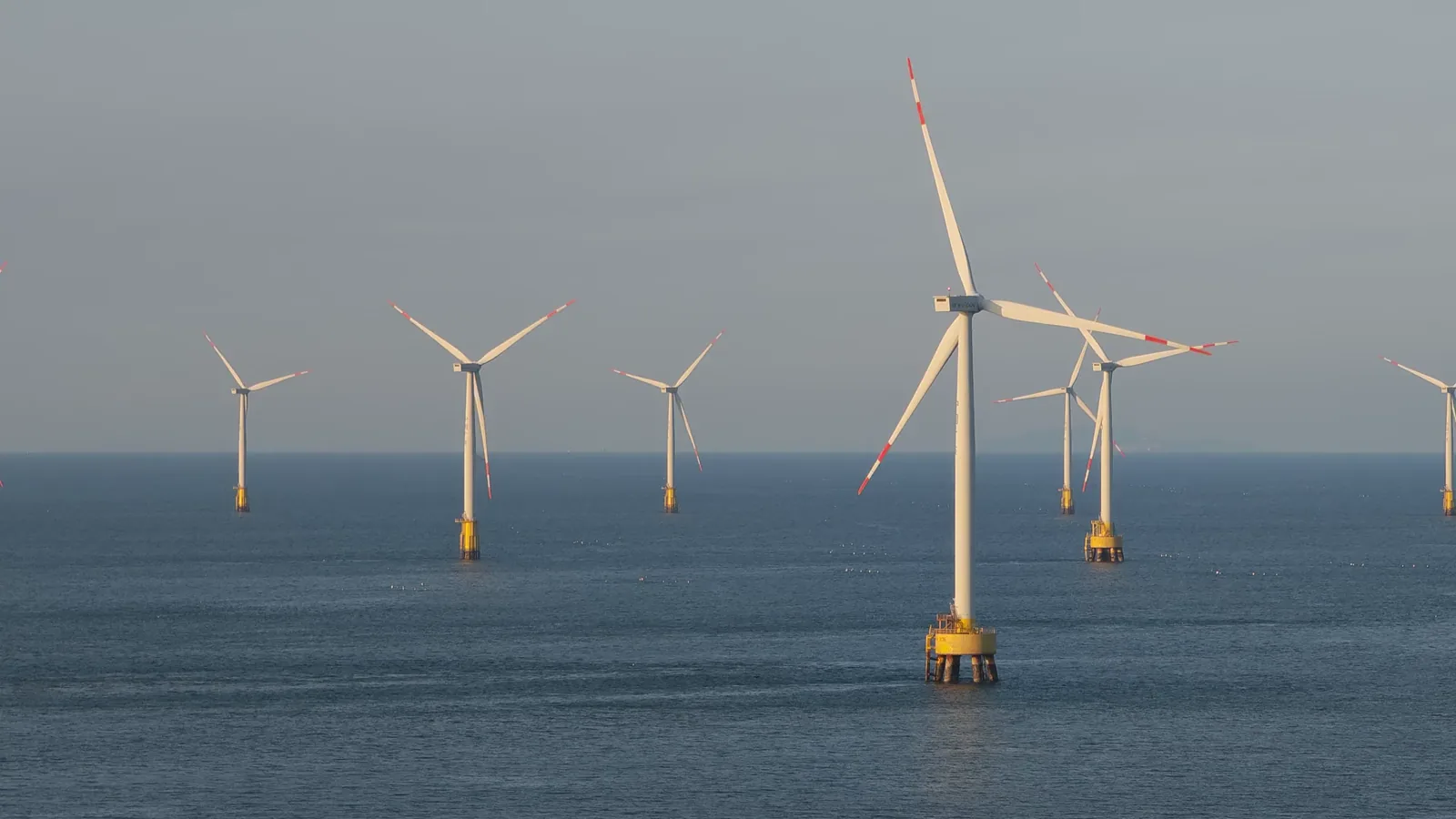
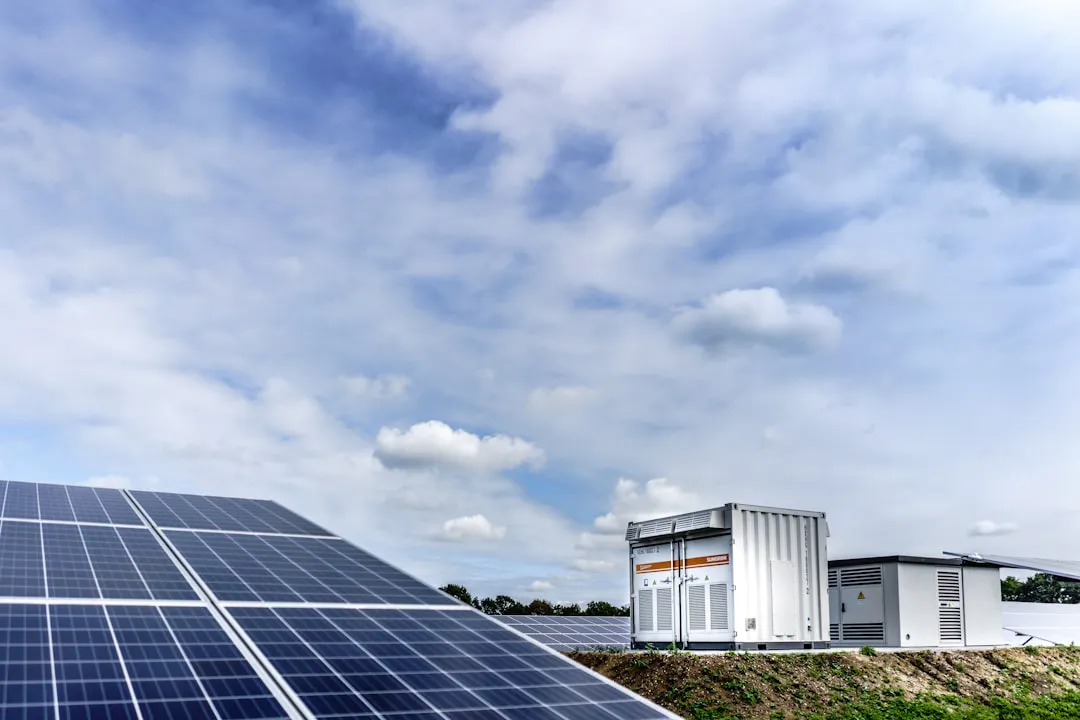
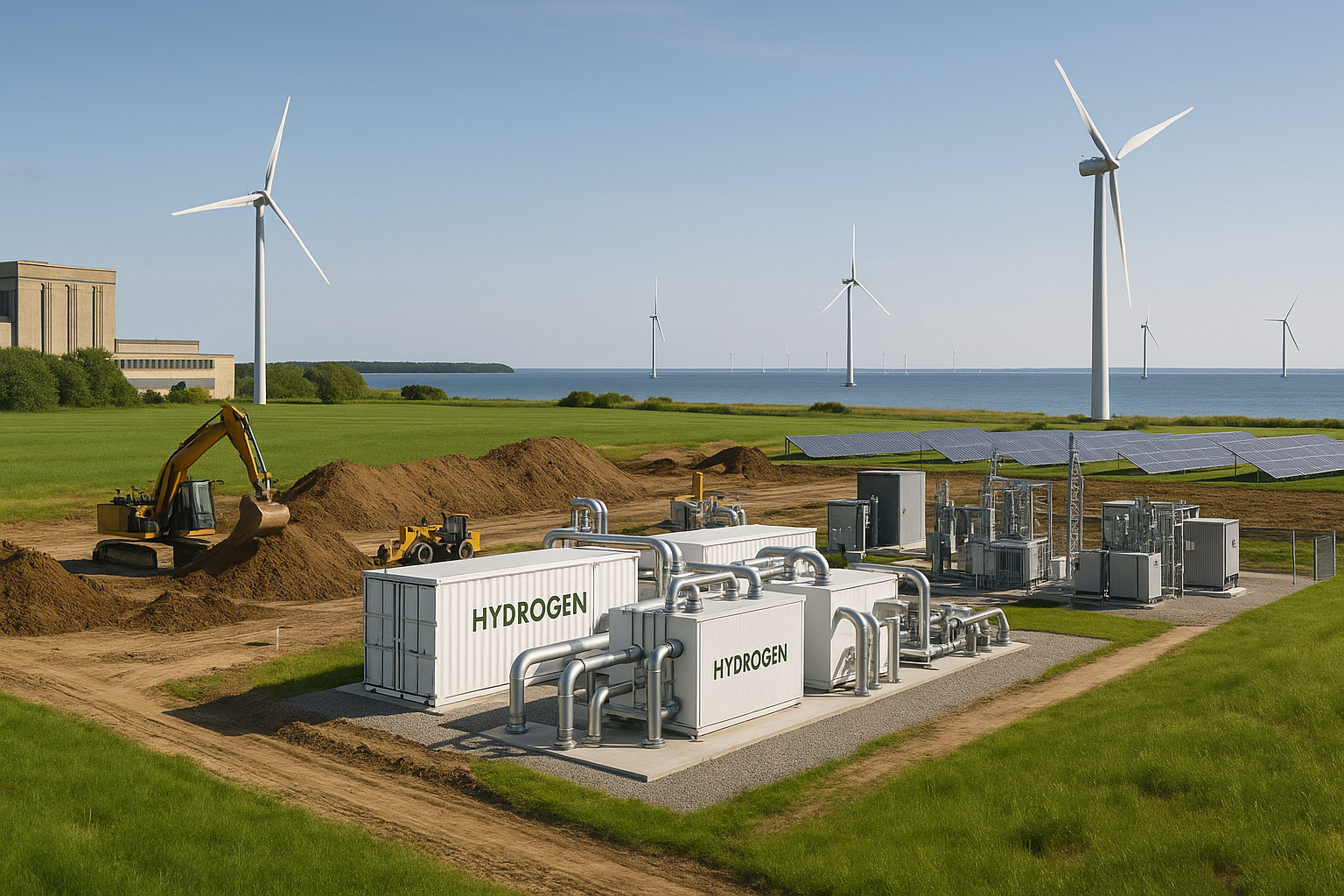
The Lubmin hydrogen project is transforming a legacy energy site into a clean powerhouse. Located on Germany’s Baltic Sea coast, the site already boasts vital infrastructure—grid access, water supply, and future pipeline connectivity. The project’s first expansion will include a 100 MW electrolyzer capable of producing around 10,000 tons of hydrogen annually, with ambitions to scale to 1,000 MW. By using 100% renewable power—sourced from nearby offshore wind, solar, and onshore wind farms—the plant will generate up to 1,800 kg of green hydrogen and 14,400 kg of oxygen per hour, cutting an estimated 100,000 tons of CO₂ emissions yearly. It’s a transformation that symbolizes the future of repurposed industrial sites in the EU’s green push.
CIP’s Strategic Entry and Long-Term Commitment
Copenhagen Infrastructure Partners is entering this venture via its Energy Transition Fund (CI ETF I), with an initial investment of €15 million ($17.35 million) and plans to co-finance the project alongside H2APEX through to commissioning in 2028. This includes tapping into €167 million in EU IPCEI funding to pre-finance the buildout. More than just a cash injection, CIP brings expertise in scaling complex renewable energy assets—positioning the Lubmin project to become one of Europe’s leading hydrogen hubs. For H2APEX, the deal boosts its goal of expanding hydrogen capacity while ensuring strong financial footing to move toward full permitting and procurement stages in 2026.
The Blueprint for Europe’s Hydrogen Market Expansion
What sets Lubmin apart is its integrative approach—production, storage, and transport all in one hub. The hydrogen produced will be fed into Germany’s “Flow” pipeline via the Opal line, directly connecting it to the national hydrogen backbone. Preliminary offtake agreements are already in place for the plant’s first phase, targeting heavy industry and transportation sectors. This early demand validation not only derisks the project for investors but also illustrates how well-designed hydrogen hubs can act as anchors for broader industrial decarbonization. With 174 GWh of usable heat as a byproduct, even secondary outputs are contributing to energy system efficiency.
Copenhagen Infrastructure Partners’ move into Lubmin isn’t just a transaction—it’s a catalyst for scaling green hydrogen across Europe. As the continent races to meet climate goals, investments like this prove that hydrogen is moving from theory to infrastructure.
Want to stay updated on Europe’s hydrogen revolution? Subscribe to our newsletter for exclusive updates and insights into the evolving energy landscape.