
Calpine Secures $1B Financing for Menifee BESS Cluster

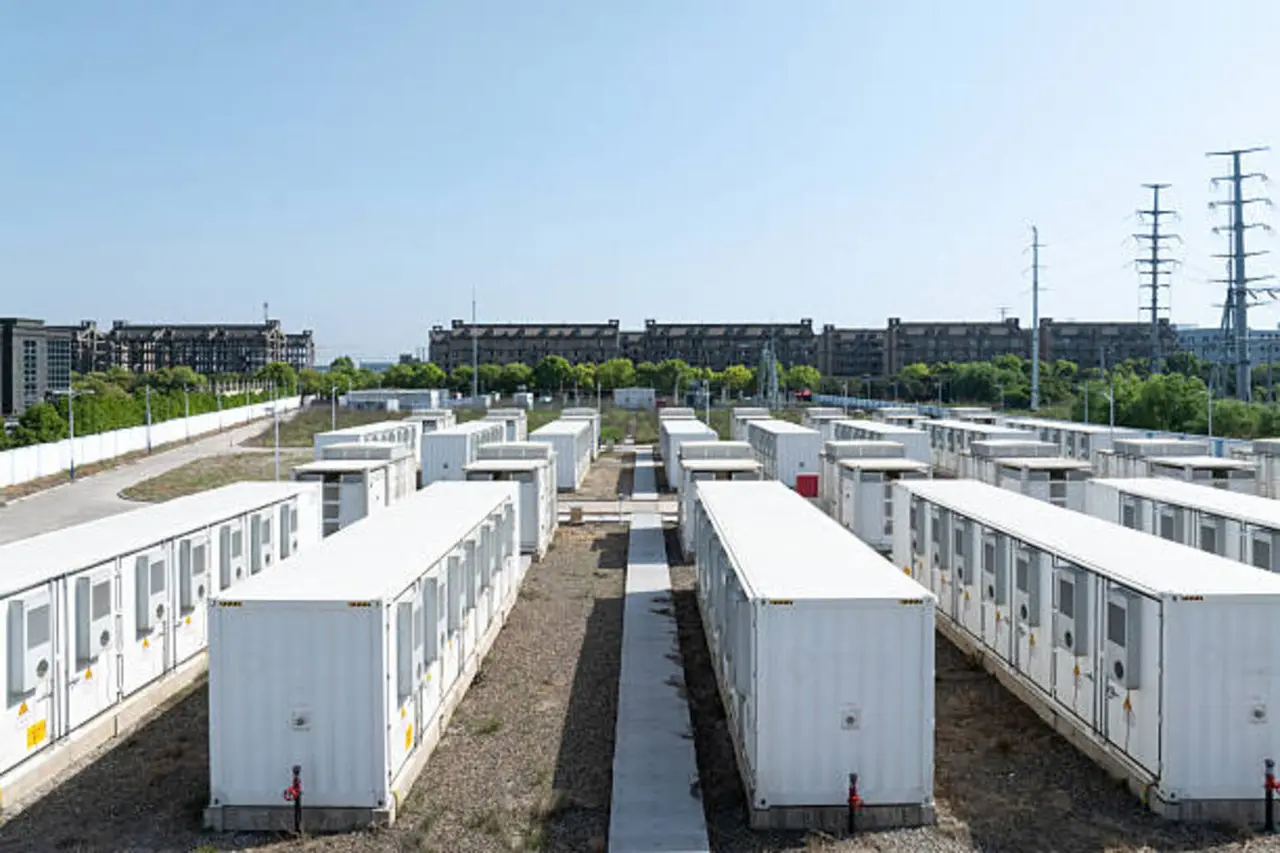
Calpine’s $1 billion investment in the Menifee BESS project highlights the rapid growth of battery energy storage systems in the US.
This deal reflects increasing demand for grid stability and renewable energy integration.
Latin America renewable energy M&A is splitting into two clear strategies. In Brazil, local developers with GW-scale portfolios have emerged as the most attractive acquisition targets. Firms such as Auren Energia and Vibra Energia, alongside international investors like I Squared Capital, pursued platforms such as Comerc Energia and AES Brasil, which combine operating assets, PPAs, and deep development pipelines. At the same time, sub-utility-scale solar dominated asset-level deal flow, with buyers including Brasol and Comerc targeting 50–150 MW portfolios that benefit from Brazil’s favorable net-metering regime.
The market shift is clear. Buyers are no longer paying up for fragmented renewable portfolios. They are targeting either scale with contracted cash flows, or assets with a clear route to monetization.
Chile shows the other side of that transition. Solar and wind M&A activity nearly collapsed year over year as transmission bottlenecks, interconnection delays, overproduction, and negative pricing damaged project revenues. In this environment, standalone generation became harder to underwrite and less attractive for acquirers.
That pressure is now pushing investors toward battery storage. BESS assets are gaining traction because they offer energy arbitrage upside and a way to manage volatility created by curtailment and grid congestion. SUSI Partners’ 860 MW acquisition in 2024 highlighted this shift and signaled rising conviction in storage as a core M&A theme.
The signal across Latin America is simple: value is concentrating in assets that offer either platform-scale contracted portfolios, as in Brazil, or flexibility-led storage exposure, as in Chile.
.jpeg)


