
Brazil and Chile Renewable Energy M&A Shift to Scale and Storage

Brazil and Chile renewable energy M&A are moving in two distinct directions, driven by how investors are responding to scale, grid constraints, and revenue visibility. In Brazil, local developers with GW-scale portfolios have become the primary acquisition targets. Players such as Auren Energia and Vibra Energia, along with global investors like I Squared Capital, are actively pursuing platforms like Comerc Energia and AES Brasil, which combine operational capacity, long-term PPAs, and large development pipelines.
The shift is clear: buyers are prioritizing scale and contracted cash flows over fragmented renewable assets.
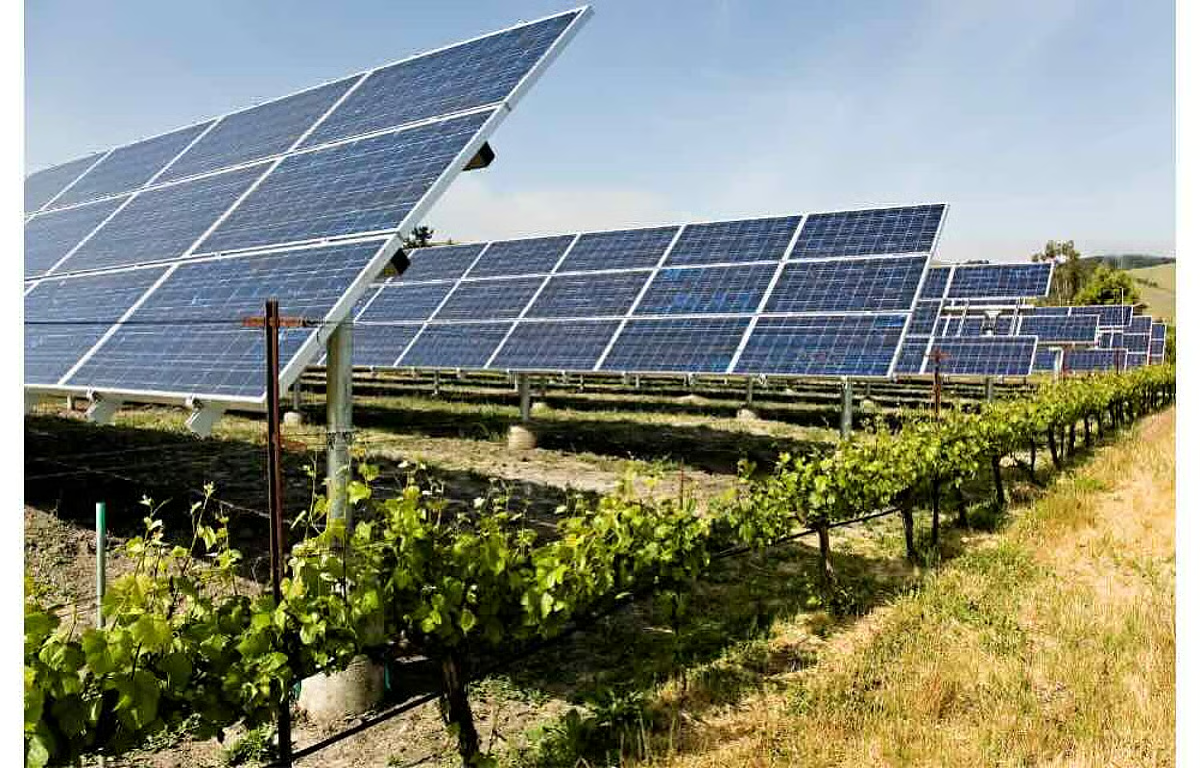
This is reflected in deal behavior. Corporate and platform-level transactions are dominating value, while smaller developers struggle to attract the same level of interest. At the asset level, activity remains concentrated in sub-utility-scale solar, where buyers such as Brasol and Comerc are acquiring 50–150 MW portfolios. These assets benefit from Brazil’s favorable net-metering regime, offering faster execution and stable returns, but they remain secondary to large-scale platform plays.
Chile presents the opposite dynamic. Solar and wind M&A activity has nearly collapsed year-over-year as transmission bottlenecks, interconnection delays, and overcapacity have led to persistent negative pricing. These factors have materially eroded revenue certainty, making standalone renewable projects difficult to underwrite and unattractive for buyers.
Instead, capital is rotating into battery storage.
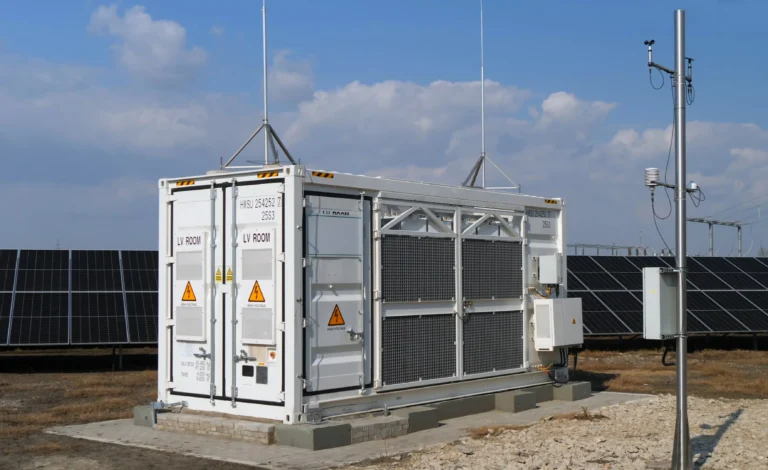
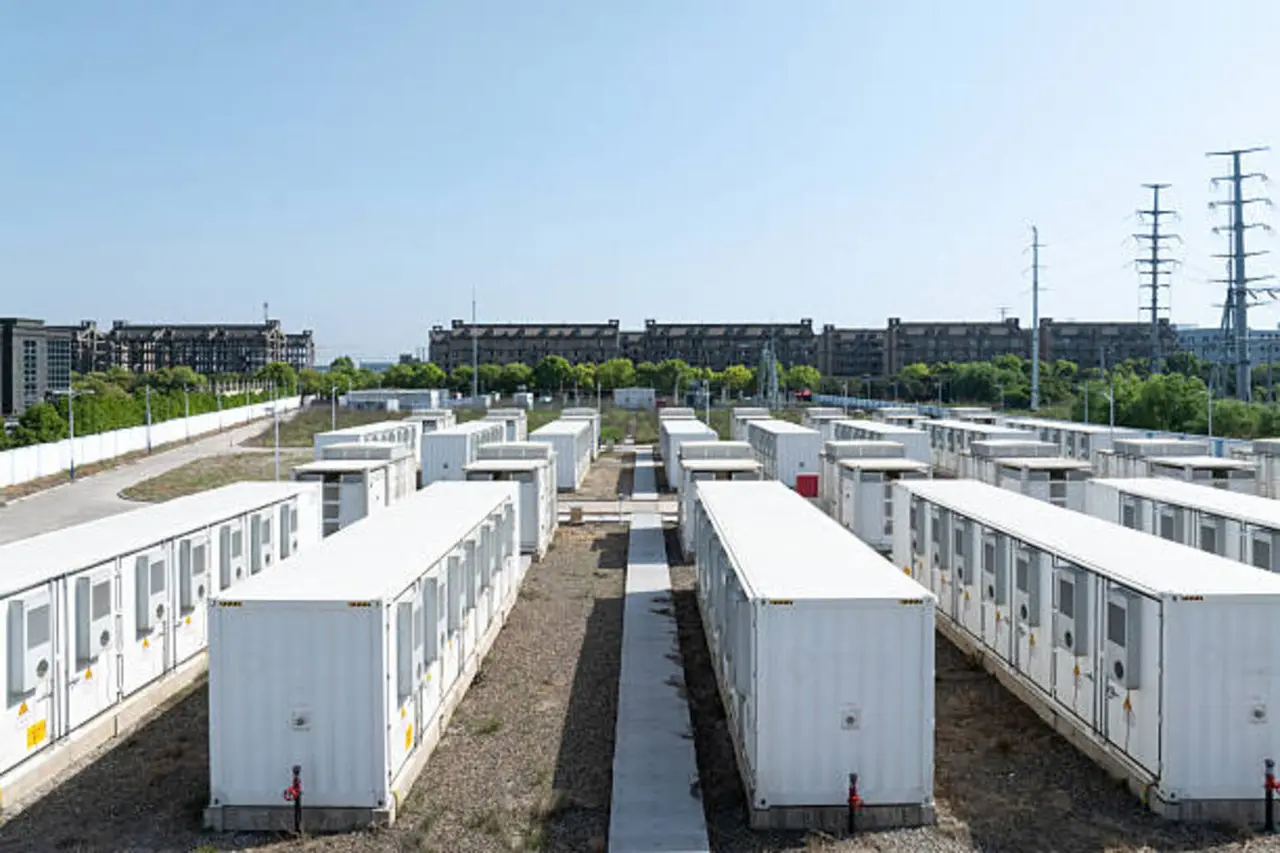
BESS assets are gaining strong investor interest as they directly address the challenges facing Chile’s power market. Storage enables energy arbitrage, captures price volatility, and mitigates curtailment risks-turning grid constraints into a revenue opportunity. This shift is already visible in deal activity, with transactions such as SUSI Partners’ 860 MW acquisition in 2024 highlighting growing confidence in storage as a core asset class.
The contrast between the two markets is telling. Brazil is rewarding developers that can offer scale, integration, and contracted portfolios, while Chile is favoring assets that provide flexibility and exposure to price dynamics.
Across both markets, the signal is consistent: renewable energy M&A is no longer about adding capacity-it is about acquiring assets that can deliver predictable returns or adapt to increasingly complex grid conditions.
Want to track the latest M&A, financings, PPAs, and key developments across the industry? Explore the Enerdatics Insights page.
.jpeg)


